
Street Art vs. Graffiti: Aix-en-Provence Differences
Uncover the true difference between street art and graffiti in Aix-en-Provence. Learn about local regulations and where to find unique urban art in 2025. Explore Aix's vibrant art scene!
On this page
Aix-en-Provence offers a rich tapestry of art. This includes both traditional and urban expressions. Understanding the difference between street art and graffiti in Aix-en-Provence is key. These terms are often used interchangeably. However, they represent distinct artistic intentions and legal standings.
This guide clarifies these differences for 2025. We will explore what defines each art form. You will learn about their place in Aix's beautiful cityscape. Discover the vibrant world of urban art here.
Defining Street Art in Aix-en-Provence
Street art in Aix-en-Provence often embodies permission and purpose. It typically involves murals, stencils, or installations. These works are usually commissioned or approved. Artists seek to enhance public spaces legally.
Many street art pieces reflect local culture. They often tell a story about Aix's heritage. The intent is to create lasting beauty for everyone. These works often contribute to urban renewal projects.
You can find beautiful examples around the city. Legal street art spaces in Aix-en-Provence promote this form. These artists often use diverse techniques. They aim for public appreciation and cultural enrichment.
Understanding Graffiti in Aix-en-Provence
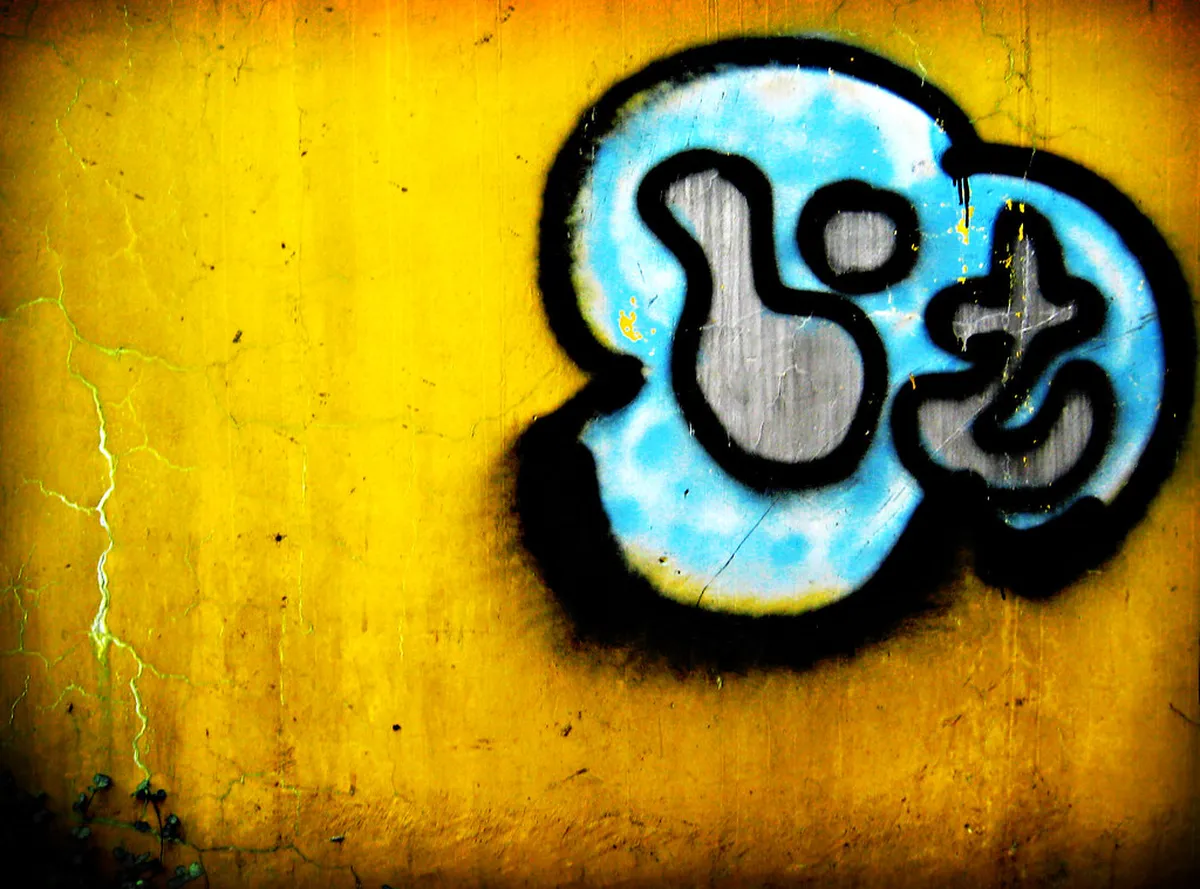
Graffiti in Aix-en-Provence usually carries a different intent. It is often created without prior permission. This makes it largely an illicit art form. Graffiti artists frequently prioritize self-expression over public acceptance.
Their work often appears quickly and anonymously. You might see tags, throw-ups, or intricate pieces. These are typically found on walls, trains, or abandoned buildings. The focus is on the act of creation itself.
The legality of graffiti is a major distinction. Unauthorized graffiti is considered vandalism in France. Offenders face fines or legal action. This impacts how and where graffiti appears in Aix.
Key Distinctions: Intent and Legality
The core difference lies in the artist's intent. Street artists typically aim for public engagement. They work within established frameworks. Their goal is often to beautify and communicate broadly.
Graffiti artists, however, often challenge norms. They might seek to claim space or express dissent. Their work is often a conversation within a subculture. The public realm becomes their canvas, sometimes illicitly.
Legality remains the most critical factor for 2025. Street art contributes to Aix's cultural landscape officially. Graffiti, when unauthorized, disrupts public order. Local regulations strictly govern these artistic expressions.
For instance, an approved mural adds value to a neighborhood. An unapproved tag can result in property damage charges. Knowing these rules helps residents and visitors alike. It defines the perceived value of each art form.
Where to Discover Urban Art in Aix-en-Provence
Aix-en-Provence offers varied spots for urban art. Legal street art often adorns specific public walls. Check cultural centers or designated art zones. These areas often showcase approved, vibrant murals.
For example, some artists collaborate with city initiatives. They create stunning works that celebrate Provence. These projects are usually publicized locally. Seek out guided tours for deeper insights.
Graffiti can be found in more transient locations. It appears often in less visible areas. These might include industrial zones or underpasses. Respect private property always when exploring.
To find the best examples of both forms, explore carefully. You can discover best street art locations in Aix. Be mindful of local rules while appreciating urban creativity.
Aix-en-Provence's Evolving Urban Art Scene
Aix-en-Provence's urban art scene continues to grow. More artists are exploring public art forms. The city also recognizes the cultural value of some expressions. This creates new opportunities for artists.
The future of urban art in Aix is dynamic. Discussions about public spaces are ongoing. This includes how art can enrich the community. Local Aix-en-Provence artists play a vital role. They shape this evolving landscape.
Visitors in 2025 will find a mix of styles. Some pieces are grand and permanent. Others are fleeting and rebellious. Each adds a layer to Aix's unique artistic identity.
Frequently Asked Questions
Is all graffiti illegal in Aix-en-Provence?
No, not all graffiti is illegal. Graffiti made with property owner permission is legal. However, most public graffiti is unauthorized. This type is subject to legal penalties in France.
How can I tell if a street art piece is legal?
Legal street art is often well-maintained. It frequently appears on designated walls. Look for clear artistic intent and public messaging. These pieces are usually not hidden or rushed.
Can I participate in street art projects in Aix-en-Provence?
Yes, opportunities exist for participation. Look for local art organizations. They often organize community mural projects. These allow artists to contribute legally to public spaces.
What happens if someone is caught doing illegal graffiti?
Illegal graffiti is considered property damage. Individuals caught face fines. They might also receive community service. Penalties depend on the extent of the damage.
The difference between street art and graffiti is clear. Intent and legality separate these vibrant art forms. Aix-en-Provence hosts both, adding to its artistic charm. Understanding these distinctions enriches your visit.
Appreciate all urban art responsibly in 2025. Support legal street art initiatives. Discover the city's hidden artistic gems. Plan your visit to explore this unique aspect of Aix.
Key Takeaways
- Street art is typically legal and sanctioned, aiming to beautify public spaces.
- Graffiti is often unauthorized, focusing on individual expression, and can lead to legal issues.
- Aix-en-Provence offers both approved murals and transient, unapproved works.
- Always respect local regulations and private property when enjoying urban art.