
Architecture along Bastia's Vieux Port
Explore the stunning architecture along Bastia's Vieux Port. Learn about Genoese history and see colorful landmarks in 2025. Plan your walking tour today!
On this page
Bastia is a beautiful city located on the northern coast of Corsica. The architecture along Bastia's Vieux Port tells a fascinating story of the past. This guide explores the stunning historical structures you will find in 2025. Visitors love walking through these narrow streets to see the colorful facades.
The port remains the heart of the city's social and cultural life. You can see the blend of Italian and French influences in every building. These tall structures have stood against the sea air for many centuries. Many travelers come here specifically to photograph the iconic waterfront scenery.
Understanding the design elements helps you appreciate the local history. The port was once a vital hub for Mediterranean trade and commerce. Today, it serves as a picturesque backdrop for modern cafes and luxury yachts. Experience the charm of this historic harbor on your next visit to France.
The History of Old Port Buildings
The Old Port served as the primary maritime gateway for many centuries. It was the center of economic life during the Genoese era in Corsica. Many buildings around the water reflect this rich naval history today. The tall structures were designed to house sailors and busy merchants. This layout allowed for maximum storage space near the water's edge.
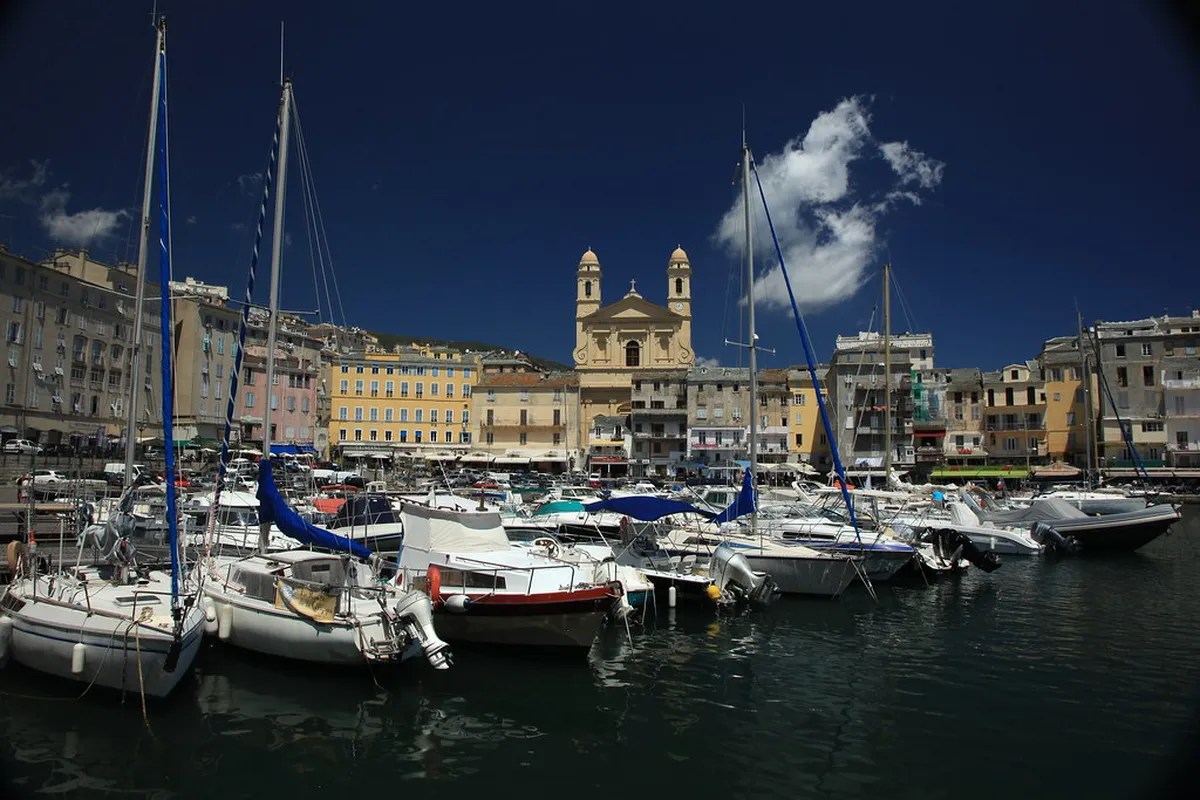
Exploring the historic Bastia architecture reveals layers of local development. Builders used local stone and lime-based paints to create a unique look. These houses often reach six or seven stories high above the harbor. This vertical design was necessary due to the limited space around the port. It created a dramatic skyline that still defines the city today.
Over the years, the buildings have faced many challenges from the weather. Salt air and strong winds require residents to perform constant maintenance. Despite these forces, the original structures remain remarkably intact and strong. Walking through the area feels like stepping into a living history book. You can see the evolution of building techniques from the 17th century.
The ground floors were traditionally used for warehouses and shops. Higher floors provided living quarters for the city's growing middle class. Today, these spaces have become popular apartments and boutique hotels for tourists. This adaptive reuse keeps the historical district vibrant and economically active. The port remains a functional part of the modern Bastia community.
Iconic Genoese Style Features
Genoese influence defines the visual identity of the Old Port architecture Bastia displays. You will see ornate shutters and wrought-iron balconies on every street. These features were practical for ventilation during the hot summer months. They also added a touch of elegance to the functional sea-facing homes. The symmetrical window placements follow classic Mediterranean design principles.
Architects used lime-based paints to protect the walls from salty sea air. This practice resulted in the famous ochre, pink, and yellow color palette. Many facades also feature decorative cornices and arched windows for visual interest. These small details highlight the craftsmanship of builders from the past. The colors change beautifully depending on the time of the day.
Many buildings also include small shrines or religious symbols on their corners. These carvings were meant to protect the residents and their families. They reflect the deep spiritual history of the Corsican people over time. You can find these hidden gems by looking up while walking. Each alleyway holds a new architectural surprise for the curious traveler.
The roofs are typically covered with traditional slate or terracotta tiles. These materials help manage the heat and provide a durable protective layer. The steep pitch of some roofs helps drain rainwater during winter storms. This functional design has proven successful for over four hundred years. It remains a standard for new construction in the historical district.
The Church of Saint John the Baptist
The Church of Saint John the Baptist dominates the port's northern edge. It is the largest religious building in Corsica and a masterpiece. Two massive bell towers rise high above the harbor's colorful houses. This landmark serves as a primary focal point for all visitors. Its facade is a perfect example of late Baroque architectural style.
Construction began in 1636 and took many years to complete fully. The interior features stunning Baroque decorations and beautiful marble altars. You can see the historic old port buildings in Bastia framing the church beautifully. The church facade reflects the light during the golden hour sunset. It creates a powerful silhouette against the surrounding mountain peaks.
- Height: The twin towers reach 70 meters tall.
- Style: High Baroque with neoclassical influences.
- Status: Classified as a French national monument.
- Interior: Features a famous organ from the 19th century.
The church underwent significant restoration work to preserve its decorative stone. Modern experts used traditional techniques to clean the intricate facade carvings. This ensures that the building remains a source of local pride. Visitors can enter the church for free during daylight hours. It offers a quiet place for reflection amidst the busy port.
The square in front of the church is a popular gathering spot. People meet here to enjoy the views of the fishing boats. The architecture of the square complements the grand scale of the church. It is a perfect spot to start your walking tour. You can appreciate the scale of the towers from this vantage.
Materials and Construction Techniques
The builders of Bastia relied heavily on locally sourced materials. They used schist and limestone found in the nearby Corsican mountains. These stones provided the strength needed for such tall, narrow buildings. The heavy walls offer natural insulation against both heat and cold. This keeps the interiors comfortable throughout the changing seasons in France.
Mortar was often mixed with local sand and crushed sea shells. This created a strong bond that could withstand the humid air. The thickness of the walls often exceeds one meter at the base. This design was necessary to support the weight of multiple floors. It also provided safety during periods of historical conflict and war.
Staircases inside these buildings are often made of dark local stone. They are steep and narrow to save as much space as possible. Many original wooden beams are still visible in the upper ceilings. These elements show the raw construction methods used in the 1700s. They add a rustic charm to the renovated modern living spaces.
The windows are usually tall and narrow to minimize solar heat gain. Wooden shutters provide an extra layer of protection during heavy storms. Most shutters are painted in shades of green or dark blue. This creates a pleasing contrast with the warm colors of the walls. It is a signature look for the Mediterranean coastal region.
Urban Layout and Narrow Streets
The urban layout around the Vieux Port is dense and complex. Narrow alleys, known as 'carrughji,' wind between the tall residential blocks. This design was intended to provide shade for pedestrians during summer. It also helped break the force of strong Mediterranean sea winds. The streets create a labyrinth that is fun to explore today.
Small squares appear suddenly at the intersections of these narrow paths. These open spaces allowed light and air into the dense city. They served as social hubs where neighbors could meet and talk. Most squares feature a small fountain or a stone bench. They offer a peaceful break from the narrow, shaded corridors.
The layout follows the natural curve of the rocky harbor coastline. Buildings were perched on solid rock to ensure long-term stability. This required clever engineering to manage the steep changes in elevation. Some streets are actually staircases that connect different levels of the city. These stone steps are a hallmark of Old Port urbanism.
Finding the best Bastia photo spots is easy along these winding paths. Every corner offers a new perspective on the historic port architecture. The way the light hits the narrow streets is truly beautiful. You can capture the authentic soul of the city in these alleys. Wear comfortable shoes for walking on the uneven cobblestone surfaces.
Preservation of the Architectural Heritage
Local authorities in Bastia prioritize the protection of their architectural history. Strict regulations govern how owners can renovate their historic properties. You must use specific colors and materials approved by the city. This ensures that the Vieux Port maintains its authentic historical appearance. It prevents modern designs from clashing with the ancient stone structures.
Grants are often available to help residents maintain their colorful facades. This financial support encourages the community to take pride in their homes. You can see many buildings undergoing careful restoration during the off-season. This work ensures the buildings will last for another century. It is a continuous effort to keep the port looking beautiful.
The city also hosts educational tours about the local building styles. These programs teach visitors and locals about the importance of heritage. Understanding the past helps the community plan for a sustainable future. Preservation is seen as an investment in the local tourism economy. It keeps the city unique in a world of modern glass.
Modern infrastructure is hidden carefully within the old stone walls. Electrical wires and pipes are tucked away to avoid visual clutter. This attention to detail preserves the magical atmosphere of the port. You can enjoy modern comforts while surrounded by four centuries of history. It is a perfect balance between the past and present.
Frequently Asked Questions
What is the most famous building in Bastia's Vieux Port?
The Church of Saint John the Baptist is the most famous landmark. Its twin bell towers are visible from everywhere in the harbor. It is a masterpiece of Baroque design from the 17th century. This church remains a symbol of the city's religious history.
Why are the buildings in the Old Port so tall?
The buildings were built tall because space around the harbor was limited. Residents needed to maximize their living area near the water. Most houses reach six or seven stories in height today. This vertical growth created the iconic skyline of the Vieux Port.
When is the best time to photograph Bastia's architecture?
The golden hour before sunset provides the most beautiful lighting. The warm sun enhances the ochre and pink colors of the facades. Reflections in the harbor water add a magical touch to photos. Early morning also offers quiet streets and soft, clear light.
The architecture along Bastia's Vieux Port is a treasure of the Mediterranean. It combines Genoese history with vibrant local colors and unique designs. Visiting this area allows you to experience the authentic soul of Corsica. Make sure to explore every narrow street during your 2025 trip. You will find beauty in every stone and every colorful shutter here.
Key Takeaways
- The Church of Saint John the Baptist is a must-see Baroque landmark.
- Tall Genoese-style buildings define the unique skyline of the Old Port.
- Narrow streets were designed for shade and protection from the wind.
- Strict preservation rules maintain the city's historical and colorful charm.
Related reads: streetartly.com, street art and architecture in bastia, genoese citadel architecture features bastia.