
Baroque Churches Bastia Old Town: 2025 Guide
Discover the stunning Baroque churches Bastia old town offers. Explore historic Bastia architecture with our 2025 travel guide and plan your perfect trip today.
On this page
Bastia serves as a stunning gateway to the island of Corsica in France for travelers in 2025. Many tourists visit the Baroque churches Bastia old town hosts to see unique and stunning historical art. These holy sites offer a deep look into the artistic legacy of the region over several centuries. You should start your walking tour in the Terra-Vecchia district to find these beautiful and ornate structures.
The city showcases a wealth of historic Bastia architecture that rivals major cities across mainland Europe. Every street corner seems to reveal a new facade decorated with intricate carvings and classical Mediterranean colors. Travelers often spend hours admiring the gold leaf and marble found inside these remarkable places of worship. This guide highlights the most significant churches you must visit during your stay in this coastal city.
The Church of Saint-Jean-Baptiste
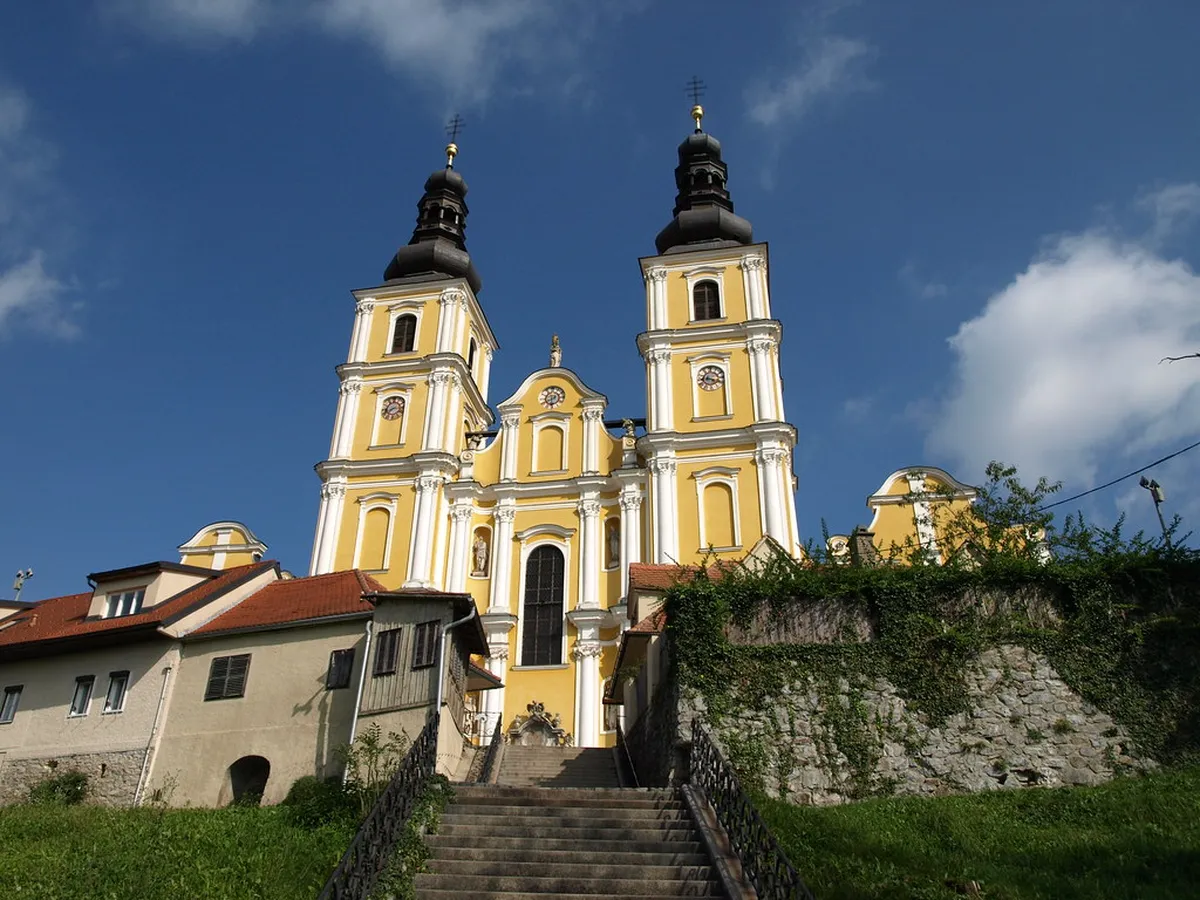
The Church of Saint-Jean-Baptiste stands as the largest religious building in all of Corsica today. Its iconic twin bell towers dominate the skyline above the vibrant and busy local waterfront area. This church was built between 1636 and 1666 to replace a much smaller and older structure nearby. It remains a central piece of Old Port architecture in Bastia for everyone to enjoy.
The interior of this church features incredible marble work and high ceilings that inspire many modern visitors. You can find several paintings from the Fesch collection that decorate the side chapels of this massive space. Most visitors enter for free during regular opening hours which usually run from 8:00 AM to 6:00 PM daily. Be sure to look at the main altar which features rare stones imported from Italy centuries ago.
Walking through the nave allows you to experience the grand scale of 17th-century Genoese construction techniques. The acoustics inside are legendary and often host local polyphonic singing concerts throughout the busy summer season. These musical events provide a hauntingly beautiful way to experience the local culture and religious history together. Many travelers find this specific church to be the highlight of their entire northern Corsican vacation itinerary.
Located just steps from the Place Saint-Nicolas, this site is very easy for any tourist to find quickly. There are many cafes nearby where you can sit and admire the exterior while drinking local coffee. The church facade was recently restored to ensure the yellow and ochre tones remain bright for 2025 visitors. Taking photos here is highly recommended during the golden hour just before the sun sets over the mountains.
Pro-Cathedral of Sainte-Marie
The Pro-Cathedral of Sainte-Marie is hidden within the narrow and winding streets of the high Citadel district. This church was constructed in 1604 and served as the seat of the Bishop of Mariana for years. It represents one of the finest Genoese architecture examples in Bastia that still stands today. The location offers a quiet escape from the busier commercial streets located down by the harbor.
Inside you will discover a magnificent silver statue of the Virgin Mary that weighs nearly 500 kilograms. This statue is paraded through the streets every August during a large and traditional religious festival in Bastia. The walls are covered in rich red silk and velvet which gives the space a very royal feel. Many visitors are surprised by the sheer amount of gold leaf used to decorate the high Baroque ceiling.
Entrance to the Pro-Cathedral is free but donations for the upkeep of the historic building are always welcome. You can visit between 9:00 AM and 12:00 PM or later in the afternoon from 2:00 PM. The surrounding Citadel area also features several small museums that explain the history of the local Genoese governors. This district provides a perfect backdrop for learning about the military and religious history of the island.
The organ inside Sainte-Marie dates back to the 19th century and is still used during Sunday morning services. Listening to the music in such an old and sacred space is a truly moving experience for many. The church also contains several relics and tombs of former bishops who shaped the religious life of Bastia. It remains an active parish church where locals gather for important community events and traditional celebrations.
Oratory of the Immaculate Conception
The Oratory of the Immaculate Conception is famous for its incredibly lavish and ornate interior design style. It was built in 1611 and served as a meeting place for a powerful local religious brotherhood. The facade is simple but the inside looks like a royal palace filled with art and fine textiles. This site is a key part of the famous Bastia landmarks list for art lovers.
One of the most striking features is the floor made from high-quality white and grey Carrara marble tiles. The walls are lined with crimson damask fabric which creates a warm and very intense atmosphere for prayer. Look up to see the wooden ceiling which was painted with scenes of the Virgin Mary in 1710. Every inch of the space is utilized to show the wealth and devotion of the local community.
The oratory is located on the Rue Napoléon which is one of the most popular shopping streets in Bastia. It is open most days but often closes for a few hours during the traditional lunch break period. Visiting this site takes about 30 minutes and provides a great contrast to the larger parish churches nearby. Many people consider this the most beautiful interior in the city because of its intimate and grand feel.
During the 18th century this building even served as the seat of the Anglo-Corsican Parliament for a short time. This historical fact adds a layer of political significance to an already impressive religious and artistic site. Today it remains a place of quiet reflection in the middle of a very busy urban shopping district. It is a must-see for anyone interested in the complex history of Corsica and its many rulers.
Oratory of Saint-Roch
The Oratory of Saint-Roch sits directly on the Rue Napoléon near the previously mentioned Immaculate Conception church. It was built in 1604 to honor the saint who protected the city from the deadly bubonic plague. The exterior features a classic Baroque portal with four large stone columns that command your attention immediately. This small chapel is a perfect example of the religious devotion found in 17th-century Bastia.
The interior is filled with carved wood and gold decorations that showcase the skill of local Corsican craftsmen. You will see many paintings that depict the life of Saint-Roch and his work with the sick. The atmosphere inside is typically very quiet and peaceful compared to the busy pedestrian street just outside. Most travelers stop here for a few minutes of silence while exploring the historic center on foot.
Visiting this oratory is free and it is usually open during the daytime hours for tourists and locals. It is a smaller space which makes the intricate details on the altar much easier to see closely. The brotherhood associated with Saint-Roch still maintains the building to ensure it stays in excellent condition for 2025. It serves as a reminder of the challenges the city faced during the middle of the last millennium.
Be sure to notice the fine details on the wooden benches and the small side altars within. The lighting inside is often soft which highlights the golden elements of the Baroque decor very nicely. This church is often less crowded than Saint-Jean-Baptiste which makes it a great spot for quiet photography. It completes the trio of major religious sites found along the main historical corridor of the city center.
Oratory of Sainte-Croix
The Oratory of Sainte-Croix is hidden near the Pro-Cathedral within the high walls of the ancient Bastia Citadel. It is famous for its Rococo style which is even more decorative than the standard Baroque architecture styles. This chapel houses the "Black Christ of Miracles" which was found by fishermen at sea in 1428. This sacred object is highly revered by the local population and attracts many pilgrims every year.
The interior features incredible stucco work and gilded carvings that cover almost every available surface of the walls. These decorations were added during the 18th century to modernize the look of the older building structure. The blue and gold color palette creates a regal atmosphere that feels different from other churches in Bastia. It is widely considered one of the most unique artistic treasures on the entire island of Corsica.
You can reach this oratory by walking through the picturesque Romieu Gardens which offer great views of the sea. The walk up the stairs is steep but the artistic reward at the top is worth the effort. There is usually a small fee or a request for a donation to enter this specific site. Check the local tourist office for updated opening times as they can change during the winter months.
Many festivals and processions begin or end at this oratory due to its connection with the Black Christ. These traditions have been kept alive for centuries and represent the heart of the local identity in Bastia. Visiting this site allows you to see how faith and art have merged over hundreds of years. It provides a peaceful ending to a day of exploring the historic and religious history of the city.
Frequently Asked Questions
Are the Baroque churches in Bastia free to enter for tourists?
Most major churches in Bastia are free to enter for all visitors during the day. Some smaller oratories might ask for a small donation of 2 or 3 euros for maintenance. Always remember to dress respectfully when entering these active places of worship during your visit.
What is the best time of day to visit the churches in Bastia?
The best time to visit is early in the morning before the midday heat and crowds. Most churches are open from 8:00 AM until 12:00 PM and then again after 2:00 PM. Visiting in the late afternoon also offers beautiful lighting for photography inside the historic structures.
Can I take photos inside the Baroque churches of Bastia?
Photography is generally allowed in most Bastia churches as long as you do not use a flash. You should avoid taking photos during active mass services to respect the local worshippers. Always look for signs at the entrance regarding specific rules for cameras and mobile phones.
Exploring the Baroque churches Bastia old town offers is a highlight for any traveler visiting Corsica in 2025. These buildings showcase the incredible wealth and artistic talent of the Genoese era through gold, marble, and silk. You will find that each structure tells a unique story about the history and faith of the city. Plan your walking tour today to experience these magnificent historic sites for yourself. For more information on local sites, check out our guide on famous Bastia landmarks soon.
Key Takeaways
- Visit the Church of Saint-Jean-Baptiste to see the largest religious building in Corsica.
- Explore the Oratory of Sainte-Croix to view the famous Black Christ of Miracles.
- Wear comfortable shoes for walking the steep and narrow streets of the Citadel district.
- Check opening hours in advance as many churches close for a few hours at lunchtime.
Related reads: streetartly.com, street art and architecture in bastia.