
Haussmannian vs Genoese Architecture Bastia Guide
Compare Haussmannian vs Genoese architecture Bastia. Discover historic styles and top spots to visit in 2025 with our expert travel guide and expert tips.
On this page
Bastia sits on the beautiful northeast coast of Corsica. Travelers often notice the striking Haussmannian vs Genoese architecture Bastia displays throughout its streets. The city provides a unique look at two distinct eras. You can walk from medieval alleys to grand French boulevards easily.
This coastal gem serves as a living museum of Mediterranean urban development. Visitors in 2025 will find a city that honors its diverse history. Exploring these styles helps you understand the complex identity of Corsica. It is a journey through time and culture within one port city.
Many people start their journey in the historic center near the sea. You will see how different rulers left their mark on the skyline. These building styles reflect changing political powers and artistic tastes. Understanding Bastia architectural styles improves your overall travel experience significantly.
Exploring the Genoese Roots of Bastia Buildings
The Republic of Genoa ruled Bastia for several centuries starting in the 1300s. Their architects designed the city to be a defensive fortress and a trading hub. You can find the purest Genoese examples in the Terra Vecchia district. These buildings are tall, narrow, and painted in warm ochre tones.
Genoese houses often feature high windows and thick stone walls for cooling. They were built close together to create narrow, shaded streets for residents. Most structures utilize local grey limestone or schist from the surrounding mountains. You can see these materials clearly when visiting the Old Port architecture today.
The Citadel, known as Terra Nova, also showcases impressive Genoese engineering and design. Massive stone ramparts surround this upper part of the historic city center. Inside, you will find grand palaces that once housed Genoese governors and officials. These buildings often have hidden courtyards and ornate stone doorways from that era.
Look up to see the traditional slate roofs called teghje on older homes. This building material is a signature feature of authentic Corsican mountain and coastal design. These roofs have protected residents from sea winds for hundreds of years. They provide a rustic contrast to the later French styles found nearby.
Visiting these areas is free for all tourists exploring the city in 2025. Wear comfortable shoes because the Genoese streets are often steep and uneven. Most of these historic buildings are still residential homes for local families today. Respect the privacy of residents while taking photos of their beautiful facades.
The Rise of Haussmannian Style in Modern Bastia
France took control of Corsica in the late eighteenth century. During the 1800s, Bastia expanded northward away from the old walled city. This expansion brought the popular Haussmannian style from Paris to the Mediterranean coast. You will notice wider streets and much more formal building designs here.
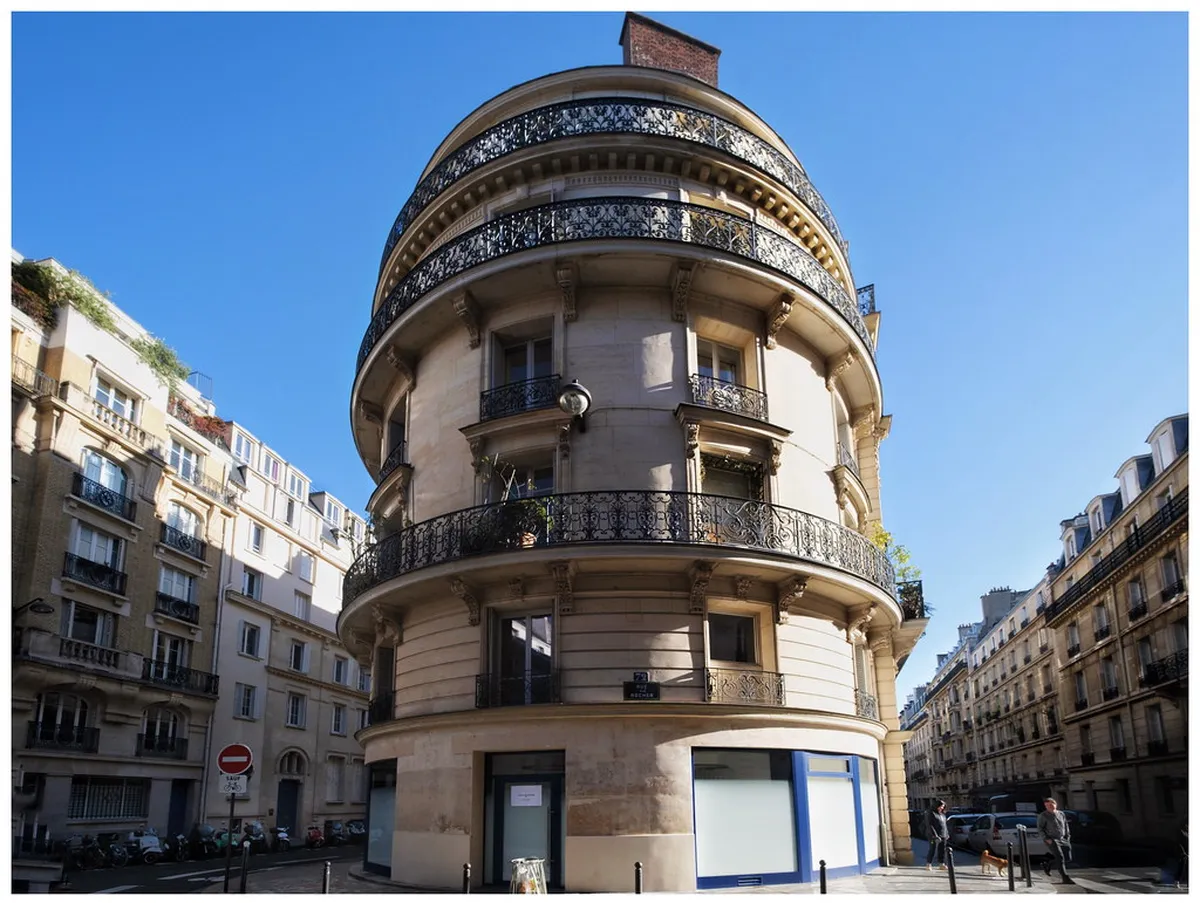
Boulevard Paoli is the best place to witness this elegant French architectural influence. The buildings here feature uniform heights and long rows of decorative stone balconies. These structures look very different from the organic shapes of the Genoese quarter. They represent a period of modernization and wealth for the growing city.
Architects used cut limestone and plaster to create these sophisticated nineteenth-century facades. Most buildings have five or six floors with specific window patterns on each. The ground floors usually house high-end shops and bustling sidewalk cafes for visitors. This area feels like a small piece of Paris transported to Corsica.
Place Saint-Nicolas is another prime location to see historic Bastia architecture from this era. The grand buildings facing the square show off impressive symmetrical designs and carvings. They were built to impress visitors arriving by sea during the height of trade. Today, they provide a stunning backdrop for outdoor dining and local events.
The Haussmannian sections of Bastia offer a much more open and airy feel. You can enjoy long walks on paved sidewalks under the shade of trees. Many of these buildings now serve as hotels or grand apartment blocks for locals. This style reflects the French desire for order and urban beauty in 2025.
Key Differences: Haussmannian vs Genoese Architecture Bastia
The main difference between these styles lies in their primary urban purpose. Genoese architecture focused on defense, density, and local materials for the coastal climate. Haussmannian design prioritized aesthetics, wide circulation, and uniform urban planning for the modern age. You can see these competing philosophies side by side in Bastia.
Genoese buildings are often irregular and follow the natural slope of the land. They use small windows to keep interiors cool during the hot summer months. In contrast, Haussmannian buildings are perfectly straight and feature very large, tall windows. The French style emphasizes light and air within the living spaces of the city.
- Genoese: Narrow alleys, ochre paint, local stone, and irregular heights.
- Haussmannian: Wide boulevards, grey or white stone, and uniform rooflines.
- Genoese: Functional defensive walls and hidden courtyards for families.
- Haussmannian: Ornate iron balconies and decorative carvings on public facades.
Another major difference is the type of stone used for the main construction. Genoese builders used rough, locally quarried schist that looks rugged and natural. Haussmannian architects preferred smooth, dressed limestone that gives a polished and clean appearance. These material choices change how the buildings age over many centuries of use.
You will also notice a difference in the colors used on the walls. The Genoese districts glow with yellows, oranges, and deep reds during the sunset. The Haussmannian buildings tend to be more neutral with creams and light greys. This color palette shift marks the transition from Italian to French cultural influence.
Top Bastia Spots for Architectural Photography 2025
Start your morning at the Old Port for the best natural light. The rising sun illuminates the colorful Genoese facades reflecting in the blue water. This is one of the best Bastia photo spots for capturing traditional coastal life. Aim your camera toward the twin towers of Saint-Jean-Baptiste church.
Walk up to the Romieu Gardens for a panoramic view of both styles. From here, you can see the dense Genoese port and the wide French squares. This vantage point clearly shows how the city grew over the past centuries. It is the perfect place to compare the different rooflines and building heights.
Spend your afternoon on Boulevard Paoli to capture the details of French design. The repetitive patterns of the balconies make for excellent symmetrical architectural photography shots. Look for the contrast between the stone carvings and the bright blue sky above. This area is very lively and provides great street photography opportunities as well.
End your day at Place Saint-Nicolas to see the grandest French-style buildings. The late afternoon light brings out the texture in the limestone and decorative sculptures. You can sit at a cafe and photograph the life passing by these monuments. It is a relaxing way to document the urban heart of Bastia.
Check the weather before you head out for your photography tour in 2025. Bright, clear days are best for the vibrant colors of the Genoese district. Overcast days actually work well for the subtle details on the Haussmannian limestone buildings. Both styles offer incredible visual rewards for any traveler with a camera.
Practical Tips for Visiting Bastia's Historic Districts
Most architectural sites in Bastia are free to view from the street level. You can easily see the main highlights on foot within a few hours. Start at the harbor and work your way up toward the Citadel. This route allows you to see the chronological progression of the city's growth.
Parking in the city center can be very difficult and expensive in 2025. Use the large underground parking lot located directly beneath Place Saint-Nicolas for convenience. From there, you are within walking distance of both major architectural districts. Most visitors find that walking is the best way to see the details.
Public restrooms are available near the Tourist Office on Place Saint-Nicolas for a small fee. Many cafes will also allow customers to use their facilities if they buy a drink. Carrying a small bottle of water is recommended during the summer heat. The climb to the Citadel can be tiring for some travelers.
Local shops and markets often close for a few hours in the afternoon. Plan your architectural tour for the morning or late afternoon to avoid the heat. This also ensures that the streets are lively and the shops are open. Many restaurants in the Old Port offer great views for a lunch break.
Guided tours are available for those who want deeper historical and cultural context. Check with the Bastia Tourism Office for current schedules and English-speaking guides. These experts can point out hidden details you might miss on your own. They often share stories about the families who built these grand structures.
Frequently Asked Questions
What is the best way to see Haussmannian vs Genoese architecture Bastia?
The best way is to take a self-guided walking tour from the Old Port. Start in the narrow Genoese alleys of Terra Vecchia to see the old style. Then, walk to Boulevard Paoli to experience the grand Haussmannian French design. This route shows the clear contrast between the two eras in under two hours.
Which district has the oldest buildings in Bastia?
The Terra Vecchia and Terra Nova districts contain the oldest buildings in the city. These areas date back to the Genoese rule starting in the 1300s. You will find medieval structures and traditional Corsican schist houses in these historic neighborhoods. Most of these buildings have been restored to maintain their original charm.
Are the Haussmannian buildings in Bastia similar to those in Paris?
Yes, the Haussmannian buildings in Bastia follow many of the same rules as those in Paris. They feature uniform stone facades, zinc roofs, and long rows of decorative balconies. However, they often include Mediterranean touches like brighter colors or specific local stone types. They represent the French modernization of Bastia during the nineteenth century.
Bastia offers a fascinating look at two very different architectural worlds side by side. Exploring Haussmannian vs Genoese architecture Bastia helps you appreciate the rich history of Corsica. From the narrow Genoese alleys to the wide French boulevards, the city tells a story. We hope this guide helps you enjoy your architectural journey through Bastia in 2025. Don't forget to visit the local markets for a complete cultural experience.
Key Takeaways
- Genoese architecture is found in the Old Port and features tall, narrow ochre buildings.
- Haussmannian style is prominent on Boulevard Paoli with wide streets and uniform facades.
- The transition from Genoese to French rule shaped the city's unique dual identity.
- Place Saint-Nicolas is the perfect central spot to view both historic styles easily.
- Wear comfortable walking shoes to navigate the steep and narrow streets of the Citadel.
Related reads: streetartly.com, street art and architecture in bastia.