
Roman Influences in Bastia Buildings Guide
Explore Roman influences in Bastia buildings for 2025. Discover classical design and architectural history in this expert travel guide. Plan your trip today!
On this page
Bastia is a coastal gem located on the beautiful island of Corsica in France. This city boasts a rich past that stretches back through many centuries of development. You can see Roman influences in Bastia buildings if you know where to look. These classical elements provide a timeless beauty to the modern urban landscape today. This guide explores the deep connections between ancient design and local construction styles.
Walking through the streets of Bastia feels like a journey through different historical eras. The city serves as a living museum for travelers interested in Mediterranean design history. In 2025, visitors still marvel at the sturdy arches and grand proportions of local landmarks. These features reflect a legacy that began long before the Genoese period. Understanding these roots helps you appreciate the true character of this unique French city.
Ancient builders in the region relied on principles established during the Roman Empire. These methods focused on durability, symmetry, and the use of local natural stone. You will notice these traits in both the humble homes and the grand churches. Bastia manages to blend these old traditions with a vibrant and modern coastal lifestyle. Let us dive deeper into the specific ways the Roman era shaped this city.
Roots of Bastia Architectural History
Bastia began as a small fishing port before it grew into a major Mediterranean power. Its early expansion reflects a strong connection to classic building traditions found across Europe. Many early structures in the city followed the strict rules of ancient structural balance. These designs highlight the core of Bastia architectural history through stone. The local terrain required builders to use techniques first perfected by Roman engineers.
The Roman legacy in Corsica dates back to ancient settlements like Mariana located nearby. When Bastia was founded, builders naturally adopted these long-standing regional construction methods. They focused on creating thick walls and solid foundations to withstand the coastal weather. This approach ensured that many buildings remained standing for hundreds of years. You can still see these original foundations in the oldest parts of the city.
Architects in the past admired the order and logic found in Roman urban planning. They used these ideas to lay out the streets and public squares in Bastia. This sense of organization is visible when you explore the grid-like patterns of certain quarters. These areas provide a clear contrast to the winding alleys found in other medieval towns. The city's growth was always guided by a desire for structural harmony.
The use of limestone and local granite was a key part of this process. Ancient Romans preferred these materials for their strength and abundance in the Mediterranean basin. Local craftsmen in Bastia continued this tradition by sourcing stone from nearby quarries. This choice of material gives the buildings a distinct color and texture. It also links the modern city to the geological history of the island.
Classical Elements in Local Landmarks
Many famous Bastia landmarks display clear signs of classical Roman design inspiration. The grand facades of local churches often feature tall columns and triangular pediments. These elements mimic the appearance of ancient temples built during the height of the Empire. They create a sense of majesty and importance for these religious sites. Visitors can observe these details on the exterior of the Saint-Jean-Baptiste Cathedral.
Arches are perhaps the most recognizable Roman influences in Bastia buildings today. You will find them supporting heavy doorways and lining the beautiful covered walkways. These arches provide structural support while adding an elegant aesthetic to the streetscape. They allow light to filter into narrow spaces and create interesting visual patterns. Engineers used the semi-circular arch to build taller and more open internal spaces.
Symmetry plays a vital role in the design of many government and civic buildings. Builders carefully aligned windows and doors to create a balanced and pleasing appearance. This focus on proportion is a direct inheritance from the golden age of Roman architecture. It suggests a sense of stability and permanence within the local community. Even modern renovations often respect these original symmetrical layouts to preserve the city's look.
Decorative motifs like laurel wreaths and geometric patterns appear on many historic facades. These small details often go unnoticed by the average tourist walking past. However, they serve as a subtle nod to the artistic tastes of the ancient world. You can find these carvings on the lintels and cornices of old noble houses. They represent the lasting cultural impact of the Roman Empire on French art.
Ancient Building Materials and Techniques
The construction of Bastia relied heavily on the use of mortar and heavy stone. This technique was a hallmark of Roman civil engineering and allowed for massive structures. Builders in Bastia refined these methods to suit the unique climate of the Corsican coast. They used thick layers of plaster to protect the stone from salt air. This practice has helped the buildings survive the harsh sea winds for generations.
Vaulted ceilings are another common feature found in the historic basements of the city. These curved structures are incredibly strong and can support several floors of weight. Roman architects pioneered the use of vaults to create large and open interior rooms. In Bastia, you can see these features in the old warehouses near the port. They provided cool and dry storage for goods arriving from across the sea.
Water management was also a major concern for early builders in the Bastia region. They looked to Roman aqueduct designs to create systems for drainage and fresh water. You can find traces of these old cisterns and channels beneath the modern streets. These systems were essential for supporting a growing population in a dry Mediterranean climate. Their efficiency is a testament to the skill of the original engineers.
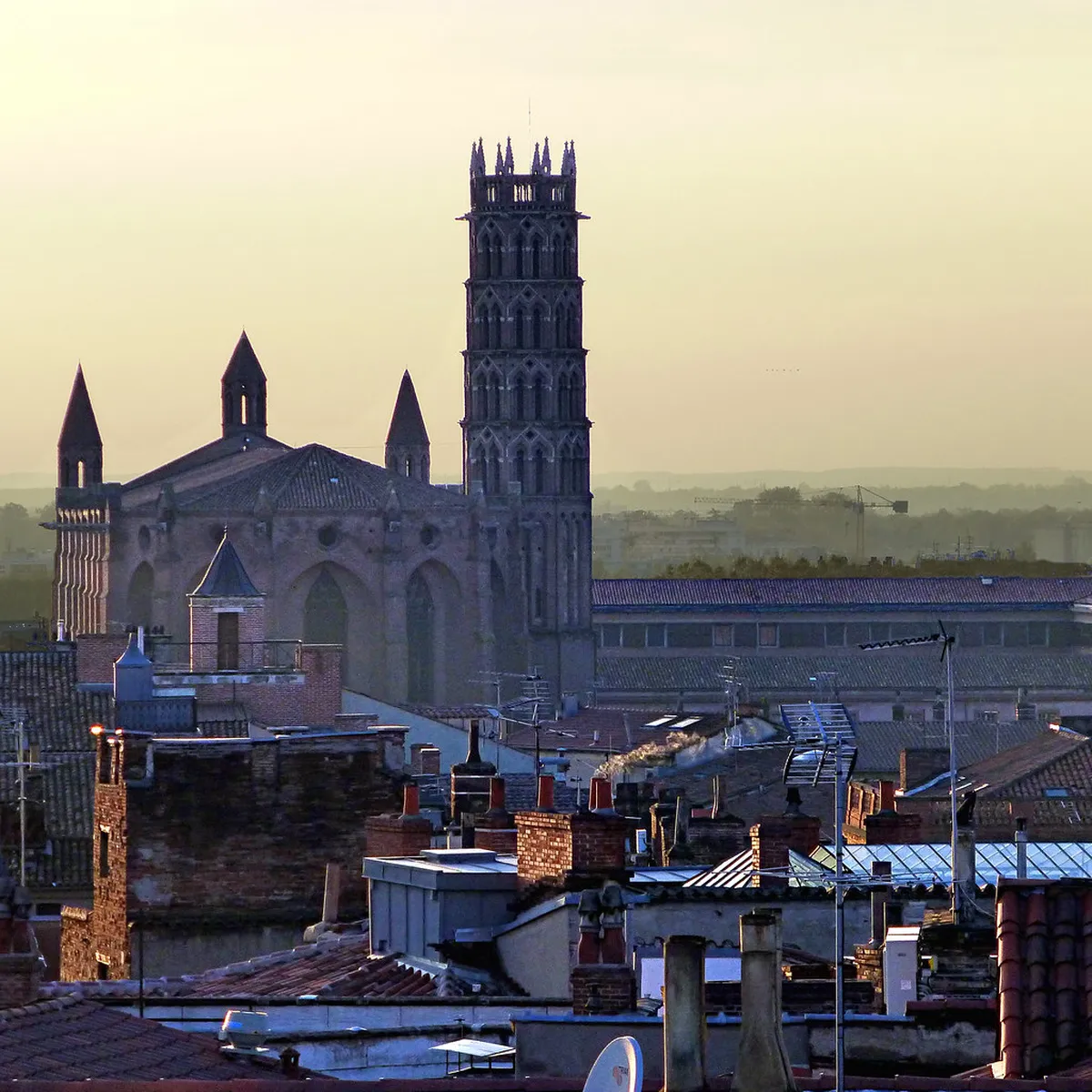
Terra cotta tiles are used on almost every roof in the historic center. This material has been a favorite in the Mediterranean since the Roman era. It provides excellent insulation and sheds water effectively during the rainy season. The warm orange and red hues of the tiles create a beautiful skyline. This uniform roofing style is a key part of the city's visual identity.
Neoclassical Revivals in Bastia Design
During the 18th and 19th centuries, Bastia experienced a major neoclassical revival period. Architects looked back to Roman styles to create new and impressive urban spaces. This movement reinforced the existing Roman influences in Bastia buildings across the entire city. It led to the creation of wide boulevards and grand public squares. The Place Saint-Nicolas is a prime example of this structured and open design.
Neoclassical buildings in Bastia often feature clean lines and very little unnecessary ornamentation. This simplicity was a reaction against the overly decorative styles of the previous era. Designers wanted to return to the purity of ancient Greek and Roman forms. You can see this influence in the stately apartment buildings that line the main streets. They offer a sense of calm and order to the busy city center.
The use of marble in public monuments also became popular during this revival time. This expensive material was a symbol of status and wealth in ancient Rome. Local leaders in Bastia used it to decorate fountains and the bases of statues. It added a touch of luxury to the public spaces used by every citizen. You can still see these marble accents in many of the city's parks.
Even the interior layouts of many grand homes follow Roman domestic principles. They often center around a main hallway or a small internal courtyard. This design allows for natural ventilation and creates a private sanctuary from the street. It reflects the Roman idea of the domus as a place of family peace. Modern residents still enjoy the benefits of these ancient architectural choices.
Preserving the Architectural Heritage of Bastia
Today, there is a strong effort to protect the historic integrity of Bastia. Local laws prevent developers from destroying buildings with significant historical value. This ensures that the Roman influences in Bastia buildings remain visible for future generations. Restoration projects use traditional materials to maintain the original look of the structures. These efforts are essential for keeping the city's unique story alive.
Many old warehouses and palaces are being converted into modern hotels and museums. This process of adaptive reuse gives new life to ancient stone walls. It allows visitors to experience the history of the city while enjoying modern comforts. You can stay in a building that has stood for several hundred years. This connection to the past is a highlight for many travelers visiting France.
The city also promotes educational tours that focus on the local building history. These tours help people understand the technical skill required to build Bastia. You can learn about the different types of stone used in the facades. Expert guides point out the subtle details that link the city to ancient Rome. This knowledge enhances the experience of exploring the historic quarters on foot.
Walking through the city in 2025 offers a chance to reflect on human ingenuity. The survival of these architectural styles shows the power of good design. Bastia remains a vibrant place where history and modern life coexist perfectly. The stones of the city continue to tell a story of cultural exchange. Every traveler can find inspiration in the enduring legacy of the Roman world here.
Frequently Asked Questions
What are the main Roman influences in Bastia buildings?
The main influences include the use of grand arches and symmetrical facades. Many buildings also feature classical columns and triangular pediments common in Roman temple design. These elements provide a sense of order and strength to the urban landscape.
Where can I see Roman-style architecture in Bastia?
You can see these styles in the historic Bastia architecture around the Place Saint-Nicolas. The Saint-Jean-Baptiste Cathedral also showcases classical proportions and twin bell towers. Many older residential buildings in the Terra Vecchia district display these ancient design traits.
Why did Bastia adopt Roman architectural styles?
Local leaders wanted to project power and stability through their public and private buildings. Roman styles were associated with the prestige of the ancient empire and timeless beauty. Using these designs helped Bastia establish itself as a sophisticated Mediterranean capital city.
Bastia is a city where the past is always present in its walls. The Roman influences in Bastia buildings show a deep respect for classical Mediterranean design. From the arches of the Old Port to the grand church facades, history is everywhere. We hope this guide helps you explore the evolution of Bastia city planning on your next trip. Plan your visit today to see these architectural wonders for yourself.
Key Takeaways
- Look for semi-circular arches in the Old Port area.
- Observe the symmetrical facades of churches like Saint-Jean-Baptiste.
- Visit the Place Saint-Nicolas to see neoclassical urban design.
- Notice the use of local limestone and terra cotta tiles.
Related reads: streetartly.com, street art and architecture in bastia, impact of genoa on bastia architecture.