
Blois Hôtel de Ville Architectural History Guide
Explore the rich Blois Hôtel de Ville architectural history. Discover its styles, transformations, and visitor tips for 2025. Plan your Blois visit today!
On this page
Blois boasts a captivating past, clearly visible in its stunning buildings. The Blois Hôtel de Ville architectural history tells a fascinating story. This grand city hall is more than just a public office. It stands as a testament to various design periods.
Understanding its structure reveals Blois's journey through time. From medieval roots to Renaissance grandeur, its walls speak volumes. Prepare to explore the unique evolution of this significant landmark. Discover the artistic and functional decisions shaping Blois city hall architecture.
A Glimpse into Blois Hôtel de Ville's Past
The site of Blois Hôtel de Ville has served the city for centuries. Its earliest records point to a medieval priory here. This initial structure was known as the Priory of Saint-Lubin. It played a vital role in local religious life.
Over time, the property changed hands and purpose. It later became part of the royal domain. French kings frequently resided in Blois. This proximity influenced the building's future development significantly.
The current Blois Hôtel de Ville began its transformation in the 17th century. A substantial palace was constructed on these grounds. It was designed to house the Governor of Blois. This marked a shift towards a more prominent civic and residential function.
Renaissance Splendor: Blois City Hall's Evolution
The most striking architectural influences arrived during the Renaissance. Although primarily built later, the palace incorporated these new styles. Renaissance features emphasized symmetry and classical elements. This period greatly shaped Blois city hall architecture.
Later, the building served as a bishop's residence. This role further embellished its interiors and facades. Many improvements aimed to reflect the bishop's prestige. Visitors can still see remnants of this grandeur today.
In the 19th century, Blois acquired the building for its city hall. Major renovations adapted it for municipal use. Architects carefully blended old and new styles. They preserved historical charm while adding necessary modern functions.
Discover more about the city's overall architectural evolution. The Blois historic architecture overview provides excellent context. It highlights various styles found throughout Blois.
Key Architectural Features of Blois City Hall
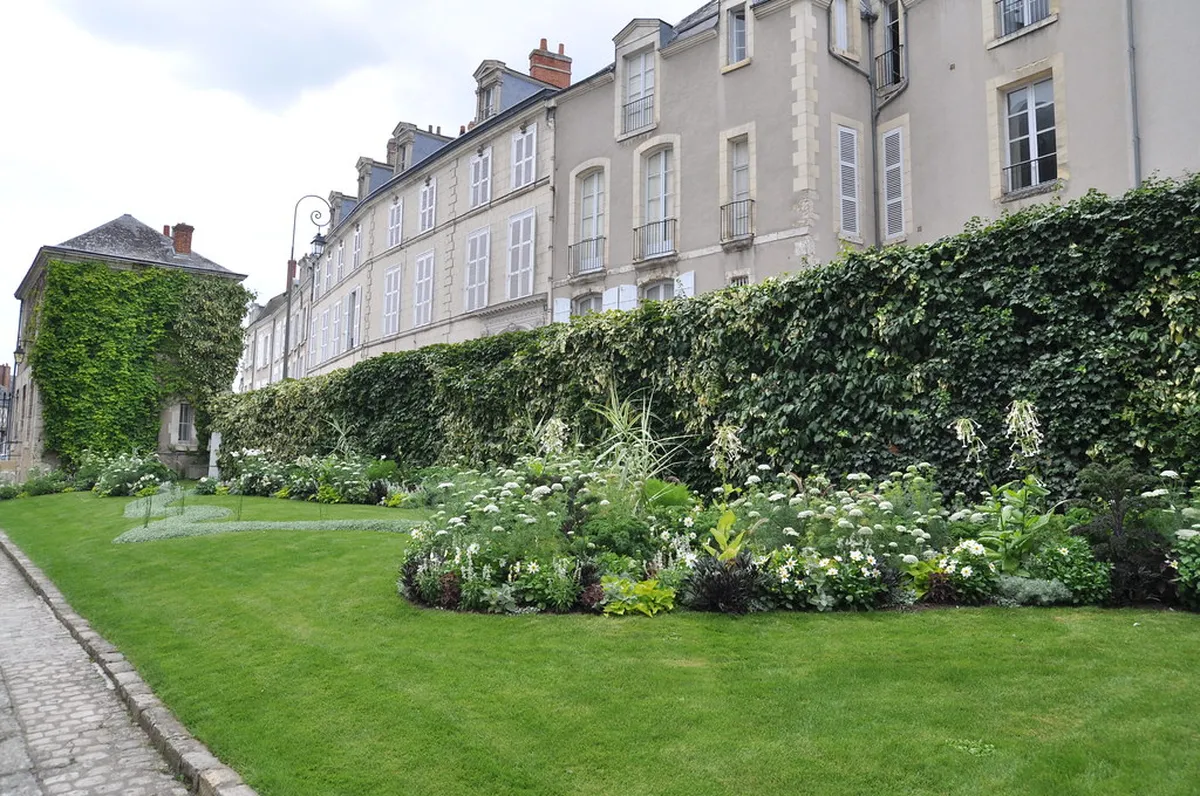
The Hôtel de Ville showcases a blend of architectural periods. Its main façade features elegant Renaissance-inspired windows. These windows often have intricate stone carvings. They reflect the high craftsmanship of their era.
Observe the grand entrance with its impressive doorways. These elements typically display classical pilasters and pediments. Such details provide a sense of official importance. They invite visitors into the building's historic interior.
Inside, one finds stately rooms and ornate staircases. Rich wood paneling and decorative ceilings are common. These interior spaces often retain elements from the bishop's residence. They add to the building's unique character.
The building also features beautiful courtyards and gardens. These outdoor areas offer peaceful retreats. They complement the grandeur of the main structure. Exploring these spaces reveals another layer of its design.
Major Transformations and Modern Adaptations
The conversion to a city hall in 1840 was a significant milestone. Architects undertook extensive work to reconfigure the spaces. They needed to create offices, council chambers, and public reception areas. This required careful planning and execution.
Later additions and restorations focused on preservation. Efforts were made to maintain the historical integrity. At the same time, the building needed to meet contemporary needs. This balance is crucial for historic public buildings.
For example, the building underwent significant updates in the early 20th century. These works ensured structural soundness and improved accessibility. They also modernized essential services for city administration. Blois Hôtel de Ville architectural history is a story of continuous adaptation.
More specific details on public buildings can be found. Explore Blois public buildings architectural details for further insights. This resource offers a deeper dive into such structures.
Planning Your Visit to Blois Hôtel de Ville in 2025
The Blois Hôtel de Ville is a working municipal building. Public access to certain areas is usually permitted during office hours. You can admire its stunning exterior at any time. The building is located at 9 Place Saint-Louis, 41000 Blois.
Guided tours of the interior are sometimes available. These often require prior arrangement. Check the official Blois tourism office website for 2025 schedules. You might discover special exhibition opportunities too.
Entry is generally free to public areas during operating hours. Remember it is an active administrative center. Be mindful of ongoing work and respect all regulations. Photography of the exterior is widely encouraged.
Consider also exploring the areas around the Hôtel de Ville. The Place Saint-Louis is a charming square. It offers great views of the building. You can find detailed information about visiting the interior at visiting Blois City Hall interior.
Frequently Asked Questions
What is the primary architectural style of Blois Hôtel de Ville?
The Blois Hôtel de Ville primarily showcases Renaissance-inspired architecture. It blends elements from its past as a priory and a governor's palace. Later 19th-century renovations added classical municipal adaptations. This creates a unique and layered aesthetic.
Can visitors go inside the Blois Hôtel de Ville?
Yes, visitors can typically access some public areas of the Blois Hôtel de Ville. This is during regular municipal office hours. Full tours of historical rooms may require booking in advance. Always check the current schedule before your visit in 2025.
What historic events influenced Blois city hall architecture?
Its history as a royal domain and a bishop's residence significantly influenced its architecture. These roles necessitated grand designs and embellishments. The transformation into a city hall in 1840 also spurred major structural changes. These events shaped its current form. Further insights into the building's design can be found at Blois City Hall Architecture.
The Blois Hôtel de Ville offers a captivating journey through time. Its impressive architecture reflects centuries of history. From a priory to a palace and now a city hall, its story is rich. This landmark stands as a powerful symbol of Blois's enduring legacy.
We encourage you to visit this architectural gem in 2025. Appreciate its unique blend of styles and historical significance. Plan your trip to Blois and explore its many wonders. Discover how this building embodies the spirit of the city.
Key Takeaways
- The Blois Hôtel de Ville boasts a rich architectural history, evolving from a priory to a city hall.
- It primarily features Renaissance-inspired designs blended with classical elements and later adaptations.
- Visitors can typically explore public areas during office hours; check local tourism sites for tour information in 2025.