
Discover Château de Blois Architecture in 2025
Explore Château de Blois architecture's Gothic to Classical styles. Plan your 2025 visit to this historic French marvel. Discover its rich royal past!
On this page
The Château de Blois stands as a testament to French royal history. Its unique composition showcases several distinct architectural periods. Visitors can explore a timeline of design within its walls. Understanding Château de Blois architecture reveals centuries of fascinating stories.
This guide will walk you through its incredible transformations. From Gothic grandeur to Renaissance elegance, each wing tells a tale. Prepare to uncover the secrets of this iconic Loire Valley château. Plan your visit to Blois for an unforgettable experience in 2025.
The Layered History of Château de Blois Architecture
The Château de Blois is not a single, unified structure. Instead, it is a magnificent collection of buildings. These structures span over four centuries of French history. Each royal owner added their personal architectural flair.
This layering of styles makes the château incredibly unique. You can observe transitions from medieval fortress to luxurious palace. It offers a rare glimpse into evolving tastes. This grand site truly embodies French architectural heritage.
Understanding this evolution enhances your visit. Pay close attention to the details on each facade. You will notice differences in windows, carvings, and overall design. It is like walking through an open-air architecture museum.
Historians meticulously study these varied additions. They reveal power shifts and artistic trends over time. The château offers a tangible link to France's past. Discover more about its varied designs in our detailed guide on Château de Blois architectural styles explained. This comprehensive resource helps you identify each distinct period.
Each stone tells a story of royalty and ambition. The blend creates a harmonious yet diverse masterpiece. This architectural diversity attracts countless visitors annually. Immerse yourself in the château's rich history.
Gothic Grandeur: The Louis XII Wing
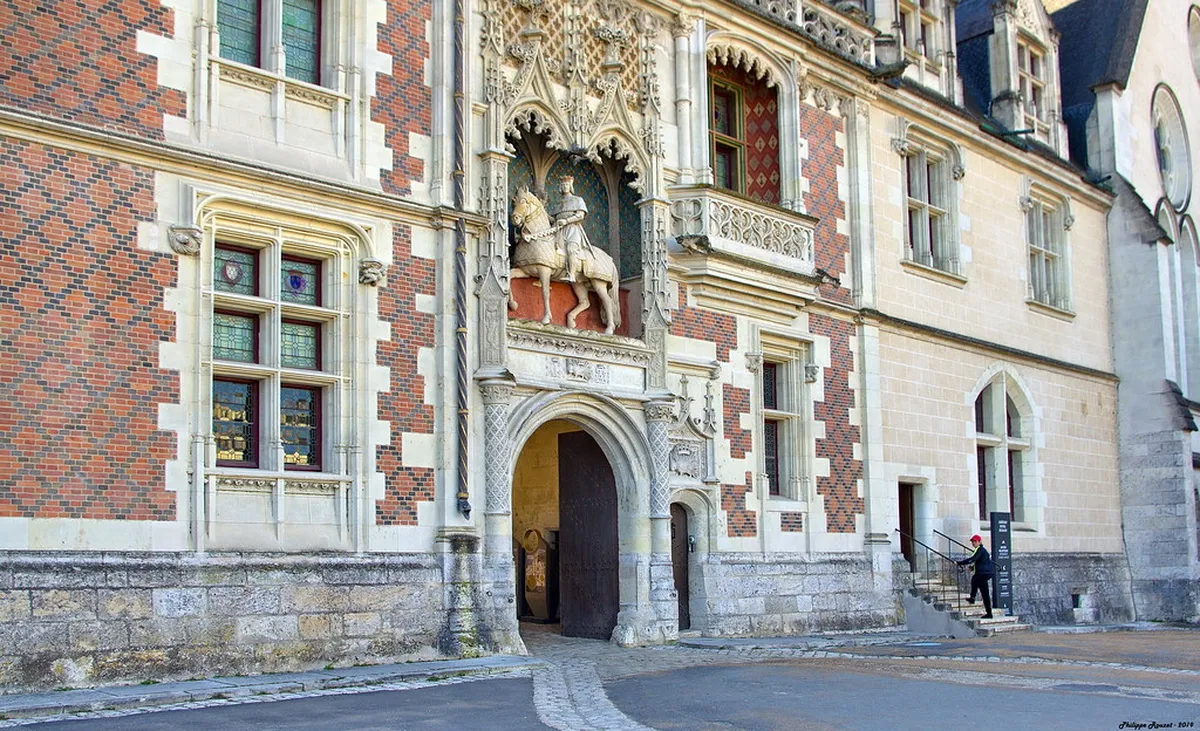
King Louis XII left a significant mark on the château. His wing, built in the late 15th and early 16th centuries, showcases late Gothic style. It features beautiful brick and stone construction. Look for its distinctive pink brickwork and black slate roofs.
The Louis XII wing also includes a stunning equestrian statue. It depicts the king above the main entrance. You will notice intricate carved medallions and gargoyles. These elements are typical of the period's craftsmanship.
Key features include large mullioned windows and pointed arches. The chapel, dedicated to Saint-Calais, also resides here. Its delicate vaulting exemplifies Gothic religious architecture. This section provides a strong sense of medieval France.
Inside, the ornate details extend to interior spaces. Fireplaces and decorative elements reflect royal luxury. The royal apartments offer a glimpse into daily life. This wing truly sets the stage for the château's evolution.
Observe the elaborate stone carvings around the windows. The original clock tower adds to its historical charm. This part of the castle represents strength and tradition. It shows the transition from fortified castle to comfortable residence.
Renaissance Radiance: The Francis I Wing
King Francis I introduced the full glory of the French Renaissance. His wing, built between 1515 and 1524, is breathtaking. It combines Italian artistic influences with traditional French design. This blend created a new, vibrant style.
The most famous element is the monumental spiral staircase. Its open design and intricate carvings are remarkable. Salamanders, Francis I's emblem, adorn many surfaces. Look up to appreciate the stunning vaulted ceiling.
This wing features larger, more symmetrical windows. Sculpted pilasters and decorative panels are also prominent. The facade facing the courtyard is particularly ornate. It represents a pinnacle of early French Renaissance architecture.
Inside, the royal apartments showcase rich decoration. Tapestries, paintings, and elaborate furniture fill the rooms. Francis I transformed Blois into a vibrant court. Discover more about Blois Renaissance architecture highlights here. This wing demonstrates his lavish taste and cultural ambition.
The King's bedchamber and study offer intimate views. Notice the ornate fireplaces and painted ceilings. The use of vibrant colors was revolutionary then. This section truly embodies the spirit of the Renaissance period.
Classical Elegance: The Gaston of Orléans Wing
The final major addition came from Gaston of Orléans. This brother of King Louis XIII commissioned the wing in the 17th century. It represents classical French architecture. François Mansart designed this impressive structure.
This wing stands in stark contrast to its predecessors. It features clean lines, strict symmetry, and classical columns. Large, regular windows provide abundant light. The use of white stone gives it a dignified appearance.
The grand staircase inside is another masterpiece. It features a sweeping design with classical motifs. The elegant balustrades draw your eye upward. This section feels much more formal and stately.
Mansart's design emphasized rationality and order. This was a direct departure from earlier, more decorative styles. It reflects the grandeur of the Bourbon monarchy. The sheer scale impresses all visitors.
Although unfinished, this wing demonstrates a significant shift. It moved away from Renaissance ornamentation towards classical restraint. This part of the château offers a glimpse into later royal designs. It perfectly rounds out the architectural journey.
Planning Your Visit to Château de Blois
Visiting Château de Blois offers a rich historical experience. The château opens daily, though hours vary seasonally. Check the official website for 2025 opening times. Aim for a weekday morning to avoid larger crowds.
Admission fees typically range from 13-15 Euros for adults. Reduced rates are available for students and children. Consider purchasing a combined ticket if visiting other Blois attractions. Audio guides are highly recommended to enhance your architectural understanding.
Allocate at least 2-3 hours to fully explore the château. This includes walking through all the wings and the museum. Don't forget the beautiful gardens and exterior views. Photography is generally permitted without flash.
The château also hosts a spectacular sound and light show. This evening event projects images onto the facades. It tells the château's history vividly. Check schedules, especially during peak tourist season.
Blois itself is a charming city with much to see. Consider staying overnight to explore its other historical sites. The train station is conveniently located nearby. Many excellent restaurants and cafes are also within walking distance.
Frequently Asked Questions
What is special about Château de Blois architecture?
Château de Blois is unique due to its four distinct architectural styles. These include Gothic, Early Renaissance, High Renaissance, and Classical. Each style represents a different period and royal owner. It is a true timeline of French design.
Which famous kings lived in the Château de Blois?
Many French kings and queens called Blois home. King Louis XII, King Francis I, and King Henri III resided here. Queen Catherine de' Medici was also a notable resident. Their lives shaped the château's history and appearance.
How long should I budget for visiting the Château de Blois in 2025?
Plan to spend at least 2 to 3 hours exploring the Château de Blois. This allows time to appreciate each architectural wing. You can also visit the fine arts museum inside. Allow extra time for the gardens and surrounding city.
Are there guided tours available for the château's architecture?
Yes, the Château de Blois offers guided tours in several languages. These tours often highlight the architectural evolution. Check the château's official website for schedules and booking information. An audio guide is also an excellent option.
The Château de Blois offers an unparalleled architectural journey. Its walls tell tales of kings, queens, and evolving design. From Gothic to Classical, each wing adds a unique layer. Understanding these styles enriches every step of your visit.
Plan your trip for 2025 to witness this historical marvel firsthand. This guide helps you appreciate its rich heritage. Don't miss exploring the diverse Blois historic architecture overview beyond the château. Prepare for an enriching and memorable experience in France.
Key Takeaways
- Château de Blois blends four distinct architectural styles in one site.
- Identify Gothic, Renaissance, and Classical elements in each wing.
- Allow 2-3 hours for a thorough visit in 2025.
- Consider an audio guide to fully appreciate the architectural details.
Related reads: streetartly.com.