
Discover Calvi Citadel: History and Architectural Styles Guide
Uncover the captivating Calvi Citadel history architectural styles. Learn about its Genoese past, explore its ancient walls, and plan your 2025 visit.
On this page
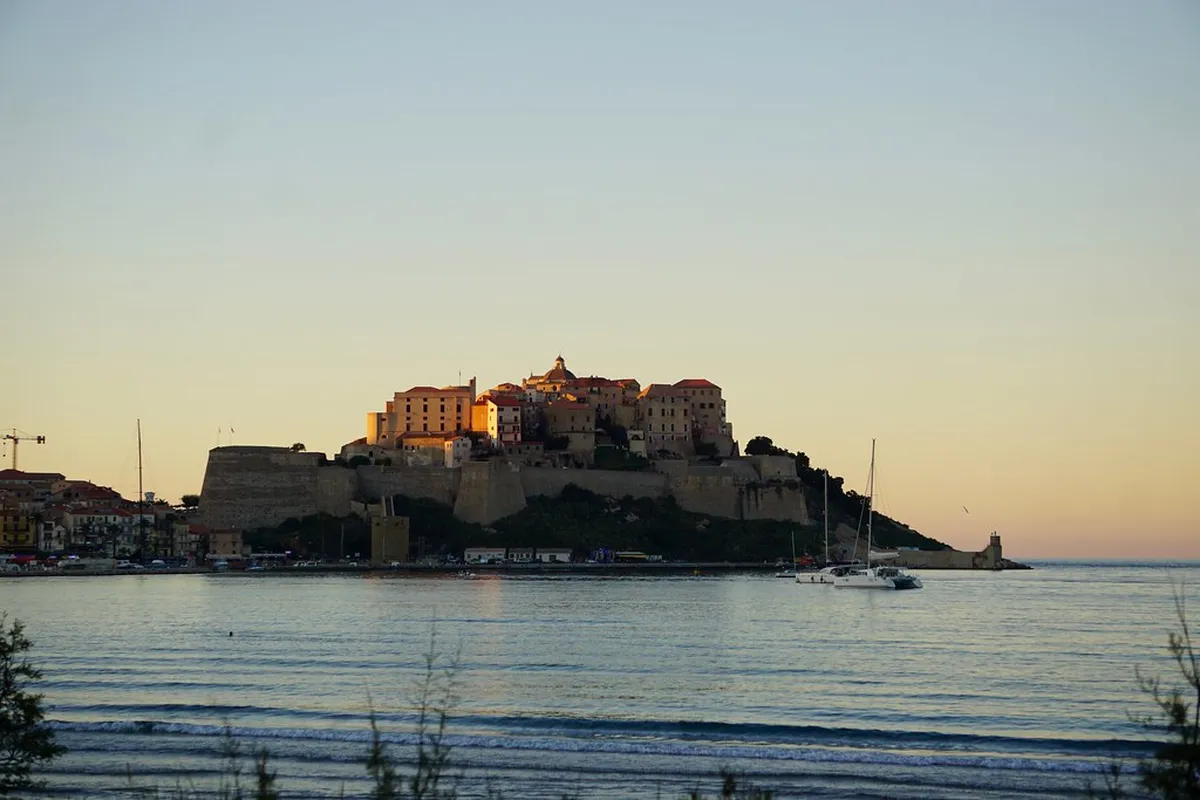
The Calvi Citadel stands proudly overlooking the azure waters of Corsica. This iconic fortress tells a story spanning centuries. Its imposing walls reflect a rich and complex past. We will explore the fascinating Calvi Citadel history architectural styles.
You will discover the influences that shaped this incredible landmark. From its ancient origins to its Genoese dominance, every stone has a tale. Prepare for an immersive journey into Calvi's most famous historical site.
The Strategic Origins of Calvi Citadel
Calvi's strategic location made it a coveted port for centuries. Early settlements likely date back to Roman times. Understanding the Calvi Citadel history architectural styles begins here. This made it a vital point on the Corsican coast.
The first significant fortifications appeared in the medieval period. Pisa and Genoa often fought for control over Corsica. Calvi's citadel began as a defensive stronghold. It protected the town from various invaders.
Its earliest forms were simpler defensive structures. Over time, these grew into a complex fortress. The rugged terrain provided a natural advantage. Builders integrated the defenses with the landscape.
Genoese Influence on Calvi Citadel Architecture
The Republic of Genoa seized control of Calvi in the 13th century. They transformed the existing defenses considerably. The Genoese invested heavily in strengthening the citadel. They adopted advanced military engineering techniques.
Genoese architects introduced powerful bastions and robust ramparts. These features helped protect against evolving artillery. The Ornano Barracks and Governor's Palace exemplify this era. Their solid stone construction shows Genoese might.
Visitors can still see the distinctive Genoese style today. Thick walls and strategic watchtowers define the structure. This era shaped much of the Calvi Citadel history architectural styles you see. Learn more about Calvi Citadel's fortifications and historical significance.
The citadel also incorporated Renaissance elements later on. Elegant arches and detailed stonework emerged. These additions softened the fortress's austere military look. They added a touch of refined beauty to its defenses.
Key Architectural Features of Calvi Citadel
The Calvi Citadel boasts several striking architectural elements. The main entrance, the Porte de Terre, is a grand gateway. It features impressive carvings and sturdy construction. This gate has welcomed visitors for centuries.
Inside, the Cathedral of St. Jean-Baptiste stands prominently. Its Baroque interior contrasts with the fortress's exterior. The cathedral suffered damage over time. It was meticulously restored to its former glory.
The Governor's Palace offers insights into civilian life. It served as administrative headquarters for centuries. Its architecture combines military function with administrative elegance. Explore the building materials of Calvi Citadel on your visit.
Walk along the ramparts for breathtaking views. These ancient walkways circle the entire citadel. You can appreciate the ingenious defensive design. They also offer panoramic vistas of Calvi Bay in 2025.
Visiting Calvi Citadel: Practical Tips for 2025
Visiting the Calvi Citadel offers a unique historical experience. It is open to the public year-round. There is no specific entry fee to walk the ramparts. Some internal buildings might have charges.
Wear comfortable shoes for exploring the cobbled streets. The citadel involves some uphill walking. Guided tours are available in peak season. These tours provide deeper historical context.
Opening Hours: The citadel is generally accessible all day. Individual museums or shops inside have their own hours. Most are open from 9 AM to 6 PM daily. Always check local listings for current times.
Consider visiting during the shoulder seasons (spring or fall). The weather is pleasant and crowds are smaller. Understanding the unique Calvi Citadel history architectural styles enhances your exploration. Parking is available at the bottom of the citadel.
Frequently Asked Questions
What are the best views from Calvi Citadel?
The ramparts offer stunning panoramic views of Calvi. You can see the harbor, the bay, and surrounding mountains clearly. The northwestern bastions provide excellent photography spots. These vistas perfectly capture Calvi's incredible beauty.
Is the Calvi Citadel accessible for everyone?
The citadel features cobbled streets and some steep inclines. This can be challenging for visitors with mobility issues. However, main pathways are relatively flat. There are accessible routes to certain areas.
How long does it take to explore Calvi Citadel?
A typical visit to Calvi Citadel lasts 1.5 to 3 hours. This allows time for walking the ramparts. You can also visit the cathedral and browse shops. Guided tours might extend your visit duration.
What is the history of Calvi's independence?
Calvi was fiercely independent, resisting many sieges. It was a crucial Genoese stronghold for centuries. The city eventually joined independent Corsica in the 18th century. Its history is marked by resilience and strategic importance.
The Calvi Citadel is more than just an old fortress. It is a living testament to Corsica's vibrant past. Its walls whisper tales of sieges, triumphs, and changing empires. The impressive Calvi Citadel history architectural styles offer a rich tapestry.
Plan your visit to this magnificent landmark in 2025. Immerse yourself in centuries of history. Experience the breathtaking views and unique atmosphere. The citadel promises an unforgettable journey back in time, reflecting Calvi's rich cultural heritage.
Key Takeaways
- Calvi Citadel reflects centuries of strategic importance and varied influences.
- Genoese architecture dominates, featuring strong bastions and ramparts.
- Explore the Porte de Terre, Cathedral, and Governor's Palace.
- Visit in spring or fall for pleasant weather and fewer crowds.
- Wear comfortable shoes; the citadel involves uphill walking and cobbled paths.