
Calvi's Architectural Importance Cultural Context
Explore Calvi's architectural importance cultural context in 2025. Discover historic sites and Corsican heritage in this expert travel guide. Plan your trip now!
On this page
Calvi offers a deep look into Corsican history through its stunning stone walls and ancient buildings. You can feel the rich history while walking through the narrow streets of the upper town. This guide explores Calvi's architectural importance cultural context to help you plan a great 2025 visit.
The city represents a unique blend of military defense and Mediterranean beauty. Its structures tell stories of Genoese rule and local resilience over many centuries. Visitors often find themselves amazed by the massive fortifications that guard the turquoise bay. Understanding the local building styles will enhance your travel experience on this beautiful island.
The Citadel: A Bastion of Genoese History
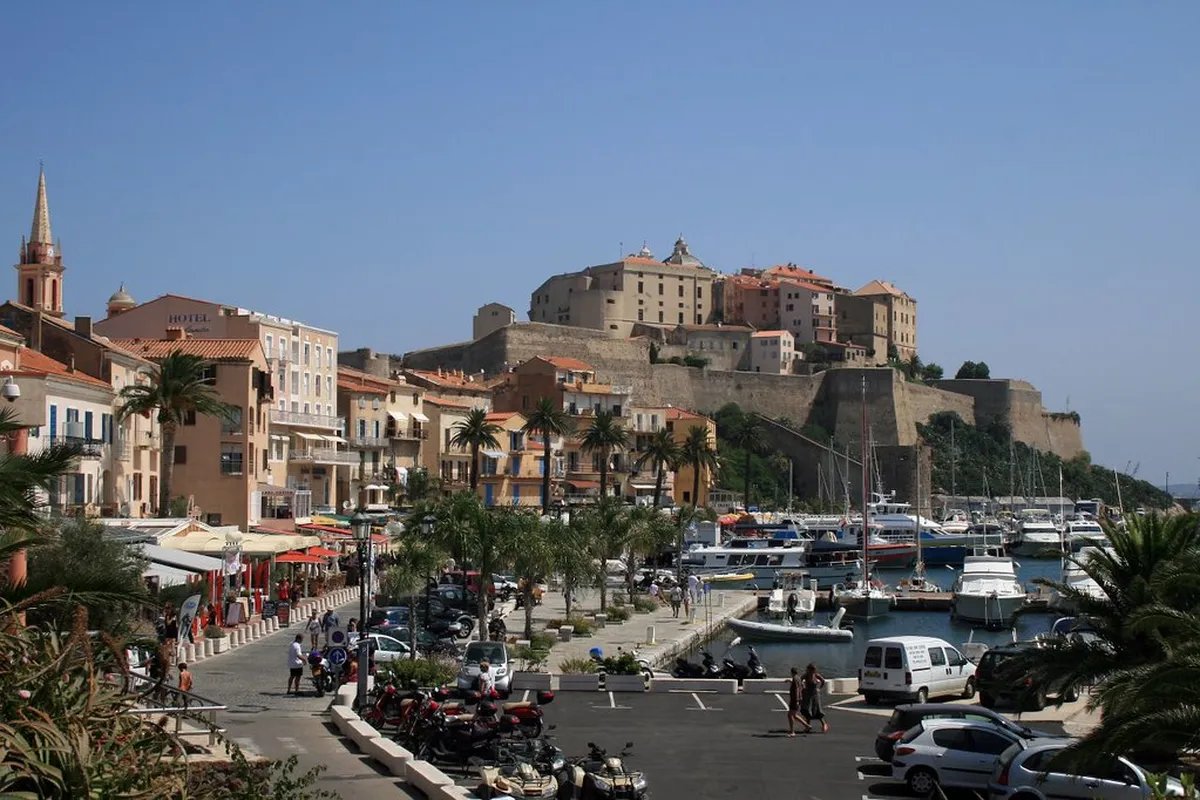
The Citadel stands as a symbol of power and defense for the island of Corsica. It was built during the Genoese occupation to protect the city from various invaders. Today, it remains the most iconic landmark for anyone visiting the beautiful town of Calvi. Visitors can explore the massive ramparts while enjoying panoramic views of the Mediterranean Sea.
Construction of this fortress began in the 13th century to secure the local harbor. The military design features thick granite walls and strategic watchtowers placed along the high cliffs. You can see how the 15th-century fortifications were designed to resist heavy artillery fire. The Calvi citadel architecture showcases the engineering brilliance of the Republic of Genoa.
Inside the walls, the narrow cobblestone streets lead to hidden squares and historic residences. Each building within the Citadel served a specific purpose during times of long sieges. Some houses were meant for officers while others served as storage for vital supplies. These structures have survived centuries of conflict and remain inhabited by local families today.
The Citadel costs nothing to enter but guided tours offer much more depth. Expert guides charge around 15 Euros for a two-hour walk through the historic site. These tours explain the tactical importance of the various gates and hidden tunnels. You will learn about the secret passages that once connected the fortress to the sea.
Religious Landmarks and Corsican Baroque Style
Calvi is home to several religious buildings that showcase the local Baroque architectural style. The Pro-Cathedral of Saint-Jean-Baptiste is the most significant example of this decorative movement. It was rebuilt in the 16th century after suffering damage during a major siege. The interior features ornate altars and religious art that reflects the deep faith of the residents.
The church facade remains simple to blend with the surrounding military structures of the Citadel. However, the internal decorations include gold leaf and intricate marble carvings from later periods. You can admire the famous Black Christ of Miracles which is kept inside the cathedral. This landmark is essential for understanding Corsican architectural styles in a spiritual context.
Another important site is the Oratory of Saint-Antoine located near the cathedral entrance. This small chapel served as a meeting place for local brotherhoods during the middle ages. It features a beautiful portal carved from local stone that displays traditional Corsican motifs. The building is open daily from 9 AM to 6 PM during the summer months.
The Church of Santa Maria in the lower town offers a different visual experience. Its bright pink facade provides a striking contrast to the blue waters of the harbor. This building represents the growth of the city outside the protective walls of the high Citadel. It was constructed to serve the growing population of sailors and merchants in the 17th century.
The Evolution of Calvi Cultural Heritage Architecture
The development of the city reflects the changing needs of its diverse population over time. Early structures focused mainly on defense against pirates and foreign navies from across the sea. Later buildings adopted more domestic features as the region became more stable and prosperous. This transition is a key part of Calvi cultural heritage architecture today.
Local granite is the primary material used for constructing the most durable buildings in Calvi. This heavy stone was quarried from the nearby mountains and transported to the coast. It gives the city a unified look that feels connected to the natural landscape. Architects in 2025 still use these traditional materials for modern renovation projects in the old town.
The Salt Tower is another unique structure that highlights the commercial history of the port. It was used to store valuable salt which was once a major form of currency. The tower stands tall at the edge of the harbor near the modern marina. Its cylindrical shape makes it an easy landmark for tourists walking along the lively promenade.
Residential houses in the old town often feature small windows and thick walls for insulation. These design choices keep the interiors cool during the hot summer months in Corsica. Many of these homes have been converted into boutique hotels or traditional restaurants for visitors. You can experience the historic atmosphere by staying in one of these renovated properties.
Urban Art and Modern Architectural Shifts
Modern Calvi is finding ways to integrate contemporary art into its ancient urban framework. You can find creative murals that tell stories of the city's maritime past on newer walls. These artistic additions provide a fresh perspective on the local culture and historical identity. Exploring street art and architecture in Calvi reveals a vibrant, living community.
The expansion of the marina has brought modern glass and steel elements to the waterfront. These structures serve the luxury yacht industry that thrives in the Mediterranean during the summer. While modern, they are designed to respect the visual dominance of the ancient Citadel above. This balance between old and new ensures the city retains its classic charm.
New public spaces have been created to encourage social interaction between locals and tourists. The main promenade was recently renovated to include wider walking paths and better lighting. These changes make it easier to enjoy the architectural views during evening strolls by the sea. Many benches are placed strategically to offer the best angles for photography enthusiasts.
Sustainability is becoming a major focus for new construction projects in the surrounding region. Architects are using solar panels and natural ventilation to reduce the environmental impact of buildings. These modern techniques are often hidden behind traditional facades to preserve the historic aesthetic. This approach helps Calvi remain a top destination for eco-conscious travelers in 2025.
Frequently Asked Questions
What is the best way to see Calvi's historic buildings?
Walking is the best way to explore the historic buildings in the town. Start at the harbor and walk up the steep path to the Citadel. You will see the best sites by following the narrow residential alleys. Wear comfortable shoes as many paths are made of uneven cobblestones.
Are there any entrance fees for the Citadel in Calvi?
Entrance to the Citadel area is free for all visitors throughout the year. You can walk the ramparts and see the main squares without paying any money. Some specific museums or private chapels inside may charge a small entry fee. Expect to pay about 5 to 10 Euros for these special sites.
What is the most famous house in the Calvi Citadel?
Many locals believe that Christopher Columbus was born in a house within the Citadel. You can see the ruins of the building marked with a commemorative plaque today. While historians debate this claim, the site remains a popular spot for many tourists. It offers a great view of the lower town and the harbor.
Calvi is a treasure trove of history, art, and Mediterranean beauty for every traveler. Its architectural landmarks provide a window into the complex soul of the Corsican people. Plan your visit in 2025 to experience these ancient stone walls and vibrant streets yourself. Book a guided tour today to fully appreciate the rich history of this coastal gem.
Key Takeaways
- The Citadel is the most important historical site in the city.
- Corsican Baroque style is best seen in the local cathedrals.
- Granite is the primary building material used in the old town.
- Modern street art is beginning to blend with ancient architecture.
Related reads: streetartly.com.