
Street Art Photography Tips Chambéry 2025 Guide
Master street art photography tips Chambéry with our 2025 guide. Learn lighting, angles, and gear to capture urban art. Book your French art tour today!
On this page
Chambéry offers a vibrant scene for urban photographers in 2025. Capturing these murals requires specific street art photography tips Chambéry experts use daily. You will find colorful artworks hidden throughout the historic streets. This guide helps you take professional photos of local art.
The city blends old-world charm with modern creative expressions. Photographers enjoy the unique textures found on ancient stone walls. These surfaces provide a perfect canvas for contemporary street artists. Learning the right techniques will elevate your urban portfolio instantly.
Essential Gear for Street Art Photography
Choosing the right equipment is the first step for success. A wide-angle lens is essential for capturing massive wall murals. These lenses allow you to fit the entire artwork into one frame. You should also carry a standard prime lens for detailed shots.
A sturdy tripod helps when shooting in narrow, shaded alleyways. Low light conditions often require longer exposure times for sharp images. Ensure your tripod is lightweight for easy carrying during long walks. Modern mirrorless cameras work excellently for these urban environments.
Consider bringing a polarizing filter to manage reflections on glossy paint. This tool helps saturate colors and reduces glare from the sun. It is particularly useful when photographing art on metallic or glass surfaces. Always keep extra batteries and memory cards in your camera bag.
Protect your gear from the elements while exploring the city streets. A weather-sealed bag keeps your equipment dry during unexpected rain showers. You should also carry a microfiber cloth for cleaning your lens. Checking these Chambéry photography spots requires being prepared for all conditions.
Mastering Lighting and Timing in Chambéry
Lighting determines the mood and quality of your urban photographs. Early morning offers soft, golden light that enhances mural colors. The low sun creates interesting shadows on textured building surfaces. Avoid shooting during midday when the sun is directly overhead.
Harsh noon light often creates unwanted highlights and deep shadows. Overcast days provide a natural softbox effect for outdoor photography. This flat lighting ensures even exposure across the entire mural surface. It helps in capturing the true colors intended by the artist.
Blue hour provides a magical atmosphere for illuminated street artworks. The deep blue sky creates a stunning contrast with warm artificial lights. Use a slow shutter speed to capture the ambient city glow. This technique adds a professional touch to your urban gallery.
Check the orientation of the mural before you plan your visit. Some artworks face east and look best during the sunrise hours. Others receive better light during the late afternoon or sunset. Knowing these details helps you time your photography session perfectly.
Composition Techniques for Urban Murals
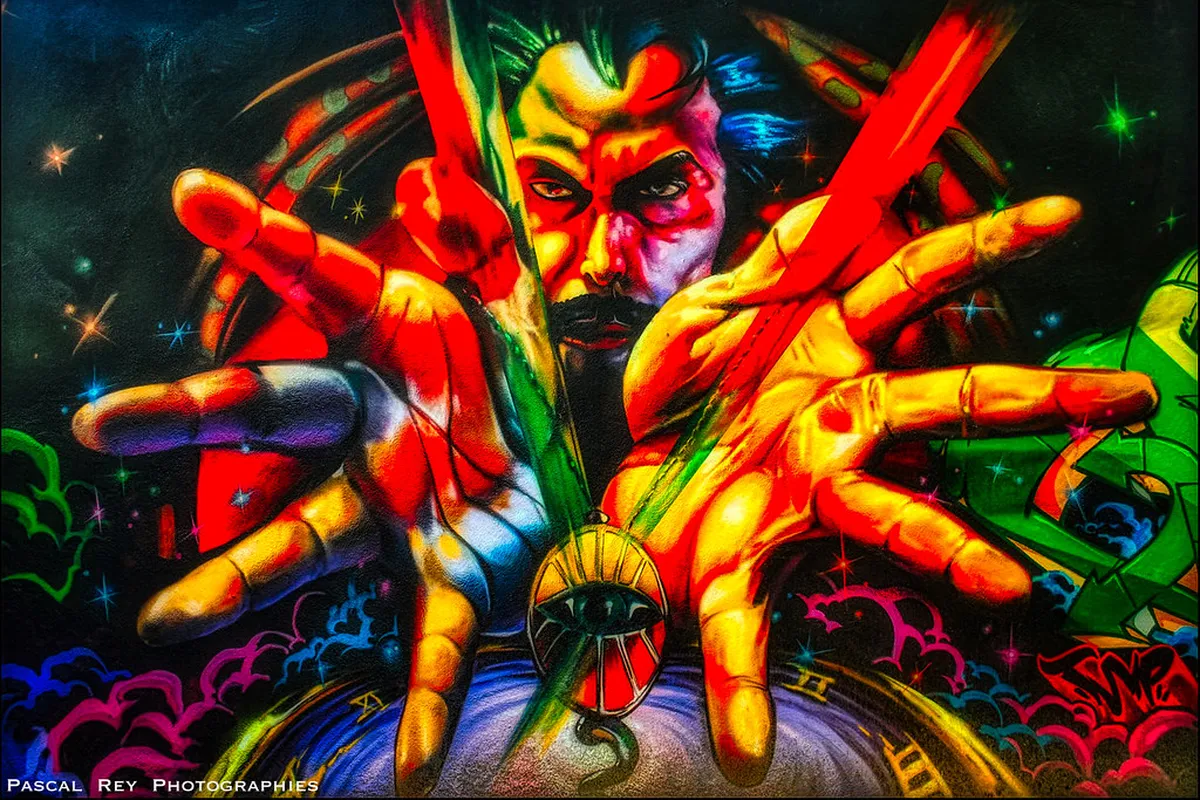
Strong composition makes your street art photos stand out from others. Use the rule of thirds to place key elements off-center. This creates a more dynamic and balanced image for the viewer. Look for leading lines in the surrounding street architecture.
Include local people to add a sense of scale to murals. A person walking by can show the true size of the art. This adds a human element to your urban photography collection. Candid shots of locals interacting with art are often very powerful.
Experiment with low angles to make large murals look more imposing. Shooting from the ground up adds a unique perspective to your work. Alternatively, find a high vantage point for a bird's-eye view. This variety keeps your photography portfolio interesting and diverse.
Frame the artwork using nearby trees, doorways, or street lamps. Natural frames draw the eye directly toward the main subject. This technique helps isolate the art from distracting urban backgrounds. Carefully observe your surroundings to find these creative framing opportunities.
Capturing Details and Texture
Don't just focus on wide shots of the entire wall. Zoom in to capture the intricate brushwork and spray patterns. These details show the technical skill of the street artists. Macro photography can reveal the grit and texture of the canvas.
The contrast between modern paint and old stone is fascinating. Chambéry has many walls with historical layers visible beneath the art. Photographing these textures tells a story about the city's history. It highlights the intersection of different eras in one single frame.
Look for the artist's signature or small hidden details in corners. These elements are often overlooked by casual tourists and passersby. Capturing them adds depth to your Chambéry street art guide project. It shows your dedication to documenting the full creative process.
Use a shallow depth of field to blur the background. This makes the specific details of the mural pop out sharply. It is a great way to highlight specific colors or shapes. Adjust your aperture to find the perfect level of focus.
Legal and Ethical Street Photography
Always respect the property and the artists while you shoot. Avoid trespassing on private land to get a specific shot. Most street art in Chambéry is located in public areas. Stay on the sidewalks and follow local city regulations always.
Credit the artists when you share your photos on social media. Tagging the creator helps support the local urban art community. It is a polite way to acknowledge their hard work. Many artists appreciate seeing professional photos of their outdoor murals.
Be mindful of the residents living near popular mural locations. Keep noise levels low and do not block their doorways. Maintaining a positive relationship with the community is very important. This ensures that street art remains welcome in the neighborhood.
Check if you need permits for professional commercial photography sessions. Most casual hobbyists can shoot freely without any legal issues. However, large equipment setups might require permission from city authorities. Exploring Chambéry hidden art spots usually requires a respectful, low-profile approach.
Frequently Asked Questions
What is the best time for street art photography in Chambéry?
The best time is early morning or late afternoon. This provides soft light that prevents harsh shadows on the murals. Overcast days are also excellent for capturing even colors. You should avoid the bright midday sun for better results.
Do I need a professional camera for mural photography?
You do not need a professional camera to start. Modern smartphones can take high-quality images of urban street art. However, a DSLR allows for better control over lighting and focus. Using a wide-angle lens helps capture larger wall pieces.
Where can I find a map of Chambéry street art?
You can find an updated Chambéry art architecture map online easily. This tool helps you locate the most famous murals quickly. It also points out smaller, hidden pieces in side streets. Local tourism offices often provide printed maps for visitors.
Chambéry is a dream destination for street art photography enthusiasts. By following these tips, you can capture the city's creative spirit perfectly. Remember to focus on lighting, composition, and respect for the artists. Start planning your urban photography adventure in the French Alps today.
Key Takeaways
- Use a wide-angle lens to capture large murals
- Shoot during the golden hour for the best light
- Always credit the original artist on social media
- Include locals in shots to show mural scale