
Chamonix's Medieval Architecture: History & Influence
Explore Chamonix's medieval architecture and its profound historical influence. Discover ancient styles shaping this Alpine town. Plan your cultural trip to Chamonix in 2025!
On this page
Chamonix Mont-Blanc is globally renowned for its majestic Alpine peaks. Beyond the snowy heights, a captivating history awaits. This guide unveils Chamonix's medieval architecture influence history. It shows how centuries of evolution shaped its unique structures.
The valley's past is deeply embedded in stone and timber. We embark on a journey through time, from early settlements to modern designs. Understanding these ancient foundations enriches every visitor's experience. Prepare to explore a different side of Chamonix in 2025.
The Foundations of Early Chamonix Buildings
Chamonix's earliest structures tell a story of survival. These initial buildings served essential community needs. They provided shelter and defense in the rugged Alpine environment. Early settlers used locally sourced, durable materials.
The Benedictine priory, founded in 1091, marks a significant period. It introduced more organized construction techniques to the valley. Monks played a vital role in developing the local area. Their influence laid groundwork for future development.
Simple stone and timber were the primary construction elements. Buildings were designed for strength against harsh weather. Small windows minimized heat loss during cold winters. This practical approach defined the region's early architectural style.
Chamonix's Medieval Architecture: Key Features
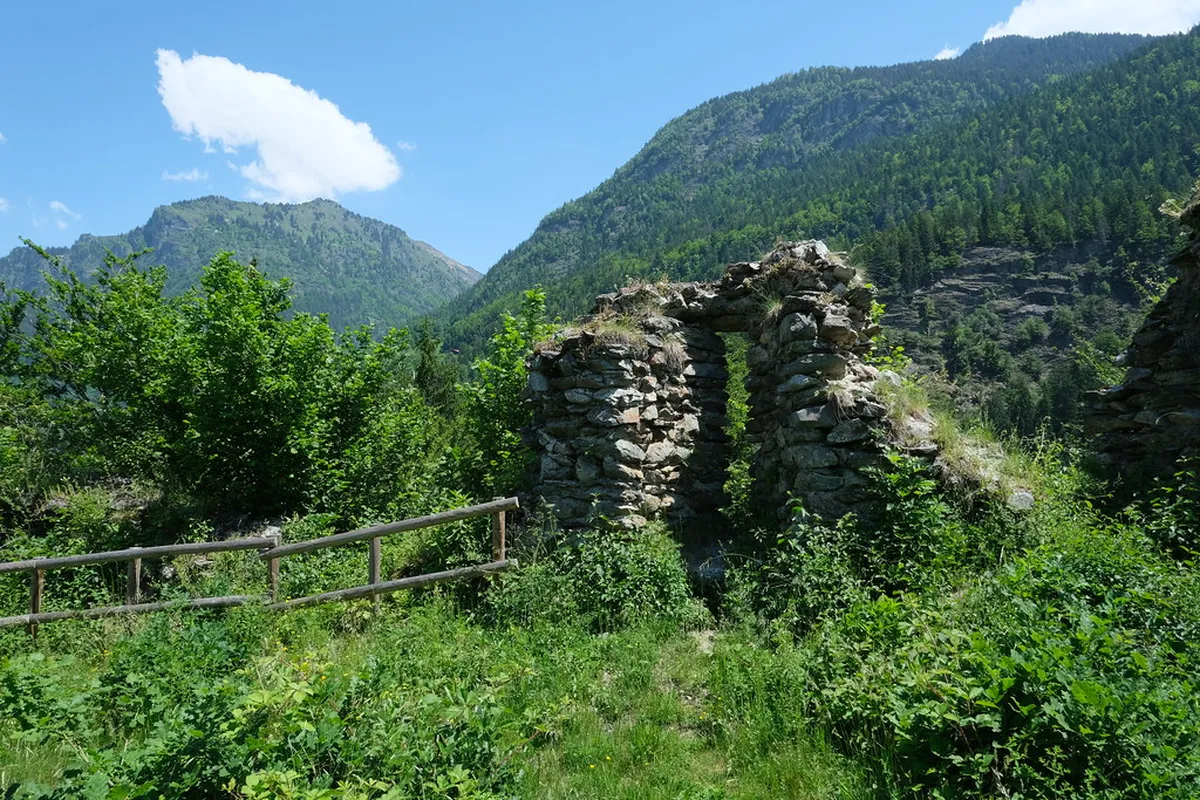
Medieval architecture in Chamonix featured robust designs. Structures often had thick stone walls for insulation. This construction also provided excellent protection. Buildings were typically compact and functional.
Roofs were steeply pitched to shed heavy snow efficiently. Local larch and pine timber were frequently used. These materials provided both strength and traditional aesthetics. Surviving examples showcase exceptional craftsmanship.
Many early homes combined living spaces with storage for animals. This integrated design was common in alpine agricultural communities. The architecture reflected daily life and economic necessities. It was built to endure the elements of the Mont-Blanc massif.
While true medieval buildings are rare, their essence remains. Modern constructions often pay homage to these ancestral styles. Chamonix historical architecture showcases this evolution. You can see these influences in many heritage sites.
How History Shaped Chamonix's Building Styles
Chamonix's medieval architecture influence history is undeniable. The town's strategic location shaped its development significantly. It sat on important trade routes through the Alps. This connectivity brought varied cultural exchanges.
Feudal lords and religious orders left lasting marks. Their needs for defense and worship drove construction trends. Fortified houses and chapels emerged across the valley. These structures demonstrated power and community resilience.
The changing political landscape of the Savoy region also played a part. Wars and alliances influenced building styles and materials. Periods of peace allowed for more elaborate constructions. Each era contributed distinct architectural elements.
Later, the rise of mountaineering and tourism brought new demands. However, the foundational medieval aesthetics persisted. Modern architects often incorporate traditional forms. They blend new designs with historical inspirations effectively.
Exploring Oldest Buildings and Heritage Walks
Discovering Chamonix's past is a rewarding experience. Start your exploration with a walk through the older town sections. Many buildings retain features from centuries ago. Look for stone foundations and traditional window frames.
The oldest buildings in Chamonix often reside near the historic church. These ancient sites provide tangible links to the past. Many have informative plaques explaining their origins. A self-guided tour offers flexibility and insight.
Consider joining guided architectural walks for deeper understanding. Local experts share fascinating stories and details. They point out subtle historical influences you might miss. Check with the Chamonix tourist office for tour schedules in 2025.
Visiting the Musée Alpin also offers great context. It houses artifacts and exhibits on the valley's history. Understanding daily life from medieval times helps appreciate the architecture. This museum provides a rich historical overview.
Preserving Chamonix's Architectural Legacy Today
Preserving Chamonix's unique architectural heritage is crucial. Local authorities implement strict building codes. These rules ensure new constructions respect traditional styles. They maintain the town's authentic Alpine charm.
Restoration projects carefully maintain historical buildings. Skilled artisans use traditional techniques and materials. This careful work prevents historical structures from deteriorating. It also ensures their stories continue to be told.
Many property owners actively participate in preservation efforts. They understand the value of Chamonix's unique character. Combining modern amenities with traditional aesthetics is a common practice. This blend creates comfortable and historically rich spaces.
The balance between development and heritage is delicate. Chamonix aims for sustainable growth respecting its past. This commitment safeguards the town's visual identity. It ensures future generations can enjoy its historical beauty.
The Chamonix Valley historic structures are a testament to this commitment. Each building contributes to the town's compelling narrative. Exploring them offers a unique window into Alpine history.
Frequently Asked Questions
What defines medieval architecture in Chamonix?
Medieval architecture in Chamonix is characterized by its robustness. Thick stone walls and small windows are common features. Steeply pitched roofs were essential for shedding snow. These structures were built for practicality and resilience.
Where can visitors see evidence of Chamonix's medieval past?
Visitors can find evidence of Chamonix's medieval past in its older districts. Look near the Church of Saint Michel for historical remnants. The Musée Alpin also provides extensive historical context. Many traditional chalets also show ancient influences.
How did the Alpine environment influence building styles?
The Alpine environment heavily influenced building styles in Chamonix. Harsh weather conditions demanded strong, insulated structures. Local stone and timber were readily available materials. Designs prioritized warmth, protection, and snow shedding.
Chamonix's medieval architecture influence history is profound and visible. It weaves a rich tapestry through the town's streets and buildings. From ancient priories to sturdy chalets, history shaped every stone. Understanding this past enhances your Chamonix experience.
We encourage you to explore these historical gems yourself. Take a walk, visit a museum, and appreciate the craftsmanship. Discover the stories etched into Chamonix's timeless architecture. Plan your historical adventure in Chamonix for 2025.
Key Takeaways
- Chamonix's architecture reflects centuries of Alpine survival and trade.
- Look for thick stone walls and steep roofs as signs of historical influence.
- Guided walks and the Musée Alpin offer deep insights into the town's past.