
Downtown Chamonix Buildings Walking Map: Explore History
Explore downtown Chamonix's stunning buildings with our self-guided walking map. Uncover historical architecture and modern designs. Start your Chamonix adventure today!
On this page
Chamonix offers much more than just stunning mountain views. Its vibrant downtown area boasts incredible Chamonix buildings. A downtown Chamonix buildings walking map reveals hidden stories. Explore a unique blend of historical and modern designs. This guide helps you navigate the streets easily.
You can discover charming traditional chalets. See impressive Art Deco structures from the past. Even spot sleek contemporary buildings. Embrace a self-guided adventure in 2025. Uncover the rich heritage visible in every stone. Prepare for a memorable architectural journey.
Planning Your Chamonix Architectural Walk
Embarking on a self-guided architectural tour is simple. Our downtown Chamonix buildings walking map provides clear directions. You will enjoy exploring these unique Chamonix buildings. Plan for about 2-3 hours to complete the main route. This allows time for photos and breaks.
The best time to walk is during spring or autumn. These seasons offer pleasant weather conditions. Crowds are also much thinner than in summer. Avoid peak midday sun in warmer months. Early mornings or late afternoons are ideal.
Start your walk near the Tourist Office. This central location is easy to find. Pick up an official town map there for extra detail. Wear comfortable shoes suitable for walking on paved streets. Bring water, especially on warmer days.
Consider downloading our self-guided Chamonix architecture walking tour. It offers detailed insights into each building. This digital guide complements any physical map. It enhances your overall exploration experience greatly. Enjoy this free and enriching activity.
Most of the downtown area is pedestrian-friendly. Navigating with the map is straightforward. Keep an eye out for specific building names. Many have plaques detailing their history. This adds to the discovery process.
Exploring Chamonix's Historic Core
Downtown Chamonix holds many historical treasures. The Eglise Saint-Michel is a must-see landmark. These are among the oldest Chamonix buildings. Nearby, you'll find charming old hotels. These buildings tell tales of Chamonix's early tourism.
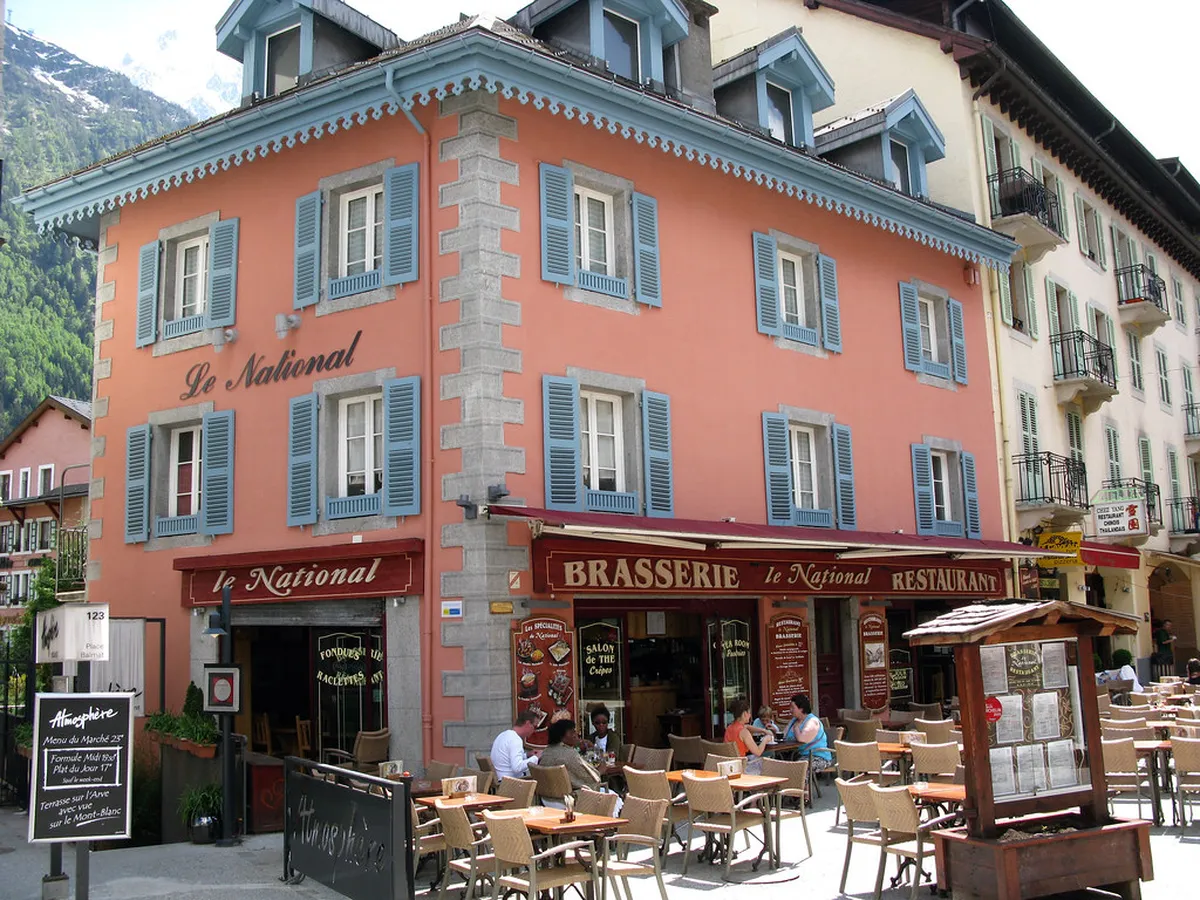
Traditional Chamonix chalets dot the landscape. These wooden structures showcase local craftsmanship. They often feature intricate carvings and balconies. Notice their distinctive steeply pitched roofs. These designs protect against heavy snowfalls.
Wander through the old streets near the river Arve. You will discover many well-preserved facades. The Musée Alpin building itself is noteworthy. Its classic Savoyard architecture stands out. It offers a glimpse into local history.
The historical district reveals Chamonix's evolution. Once a small farming village, it became a resort town. Buildings reflect these changes over time. Look for stone foundations and timber frames. These are hallmarks of early Chamonix construction. Learn more about the Chamonix historical district walking route for deeper insights.
Many buildings from the late 19th and early 20th centuries survive. They represent a period of growth. Architects blended local styles with grander influences. This creates a fascinating visual timeline. Each corner offers a new architectural discovery.
Art Deco and Modern Chamonix Buildings
Chamonix's architectural story extends beyond its past. The town also features striking Art Deco buildings. These structures bring elegance and geometric flair. Explore diverse Chamonix buildings on your tour. Look for streamlined shapes and decorative elements.
One notable example is the Majestic. This grand hotel showcases Art Deco style prominently. Its impressive facade captures attention. Other buildings from the 1920s and 30s also exist. They often feature distinct ironwork and mosaic details.
Post-war development introduced modern influences. Newer buildings blend into the alpine setting. Architects often use natural materials like wood and stone. They aim for harmony with the surrounding mountains. This creates a contemporary Chamonix aesthetic.
Some modern buildings offer sleek, minimalist designs. They provide comfortable and efficient spaces. You will see examples near the main commercial areas. These structures often feature large windows. They maximize natural light and mountain views. Discover more about modern buildings in Chamonix for an updated perspective.
Observing this contrast is part of the charm. Old and new stand side-by-side. This dialogue between eras defines downtown Chamonix. It creates a dynamic and engaging urban landscape. Keep your eyes open for these architectural jewels.
Practical Tips for Your Chamonix Building Tour
To fully enjoy your architectural exploration, plan ahead. Consider the time of day for your walk. Early morning offers soft light for photography. This highlights the textures of Chamonix buildings. Late afternoon provides warm, golden hour glow. These times make buildings look their best.
Photography is a key part of this experience. Capture the intricate details of each facade. Focus on unique architectural features. Use different angles for creative shots. The stunning mountain backdrop adds drama. Review your photos often.
Take breaks at local cafes along your route. Enjoy a hot chocolate or coffee. This offers a chance to rest your feet. It also lets you observe street life. Chamonix has many inviting spots. This makes the tour more relaxing.
Dress in layers, even on sunny days. Mountain weather can change quickly. A light backpack for essentials is useful. Always check the local forecast before heading out. Be prepared for any conditions.
Public restrooms are available in various locations. Look for signs or ask at cafes. Accessibility is generally good in the downtown area. Most sidewalks are well-maintained. Remember to respect private property. Find more photography tips for Chamonix architecture to enhance your visual journey.
Frequently Asked Questions
What are the best historical buildings to see in Downtown Chamonix?
Chamonix offers many impressive historical structures. Don't miss the Eglise Saint-Michel for its traditional design. The old Majestic Hotel showcases beautiful Art Deco details. Seek out the early 20th-century chalets. These Chamonix buildings reflect the town's rich past. Many are found throughout the town center.
Is a self-guided architectural tour challenging for visitors?
Not at all, a self-guided tour is quite easy. Downtown Chamonix is compact and pedestrian-friendly. Our walking map provides clear directions. You can set your own pace and take breaks. It suits all fitness levels. Enjoy a relaxed exploration.
Where can I find a physical map for Chamonix buildings?
You can often pick up free physical maps. Visit the Chamonix Tourist Office for assistance. They usually have detailed town plans. These maps highlight key points of interest. Some hotels also offer local area maps. Our digital guide is also very helpful.
What is the typical duration for exploring Chamonix's architecture?
Most visitors spend 2 to 3 hours on this walk. This allows plenty of time for photos. You can also stop for coffee or snacks. The duration depends on your pace. Feel free to shorten or extend your route. Enjoy the architectural diversity at leisure.
Exploring downtown Chamonix’s buildings offers a unique perspective. Our walking map guides you through its architectural wonders. You will discover centuries of design evolution. From traditional chalets to modern marvels, Chamonix has it all. This self-guided tour provides rich cultural insights.
Plan your visit to Chamonix for 2025. Immerse yourself in the town’s fascinating history. The blend of styles creates an unforgettable experience. Use this map to uncover every hidden gem. Discover the charm of Chamonix on foot. Your architectural adventure awaits!
Key Takeaways
- Use the provided walking map to explore Chamonix's varied architecture easily.
- Focus on traditional chalets, Art Deco, and modern designs for a complete view.
- Plan your 2025 visit during spring or fall for pleasant weather and fewer crowds.
Related reads: streetartly.com.