
Chamonix's Art & Architecture: A Visual Discovery Guide
Explore the unique street art and architecture in Chamonix, France. Discover traditional chalets, elegant Art Deco, and vibrant murals in 2025. Plan your visual journey!
On this page
Chamonix Mont-Blanc offers more than just stunning mountain views. This charming French town holds a rich tapestry of history. You'll find captivating street art and architecture in Chamonix. Ancient chalets stand beside elegant Art Deco buildings. Modern structures also add to its unique visual appeal. Prepare to explore this artistic and architectural wonderland in 2025.
The valley provides a backdrop for diverse styles. From historical stone buildings to vibrant murals, there's much to see. This guide helps you uncover Chamonix's rich architectural past and contemporary art scene. Discover hidden gems and iconic landmarks. Embrace the blend of nature and human creativity here.
Traditional Chamonix Chalets & Historic Buildings
Chamonix boasts a timeless architectural heritage. Its iconic traditional chalets showcase mountain craftsmanship. These wooden structures feature sloping roofs and carved details. They blend seamlessly into the alpine landscape. Many date back centuries, reflecting local traditions.
You can find many traditional Chamonix chalets throughout the town. Look for intricate balcony work and stone foundations. These details highlight their robust construction. They are built to withstand harsh winter conditions. Many have been beautifully preserved over time.
Beyond chalets, discover older historical buildings. The Rue des Moulins area offers charming examples. Some structures in the town center feature Baroque influences. The Church of Saint-Michel is a notable historic landmark. It provides a glimpse into earlier construction styles.
Consider exploring the oldest buildings in Chamonix. These often reveal a simpler, more rustic past. Their stone and timber construction speaks of durability. They reflect the early settlement's needs. These buildings are fascinating to observe.
Art Deco Elegance: Chamonix's 1920s Architectural Gems
Chamonix experienced a building boom in the 1920s and 30s. This era introduced elegant Art Deco architecture. Many grand hotels and public buildings emerged then. They brought a touch of sophistication to the alpine town. This style remains prominent today.
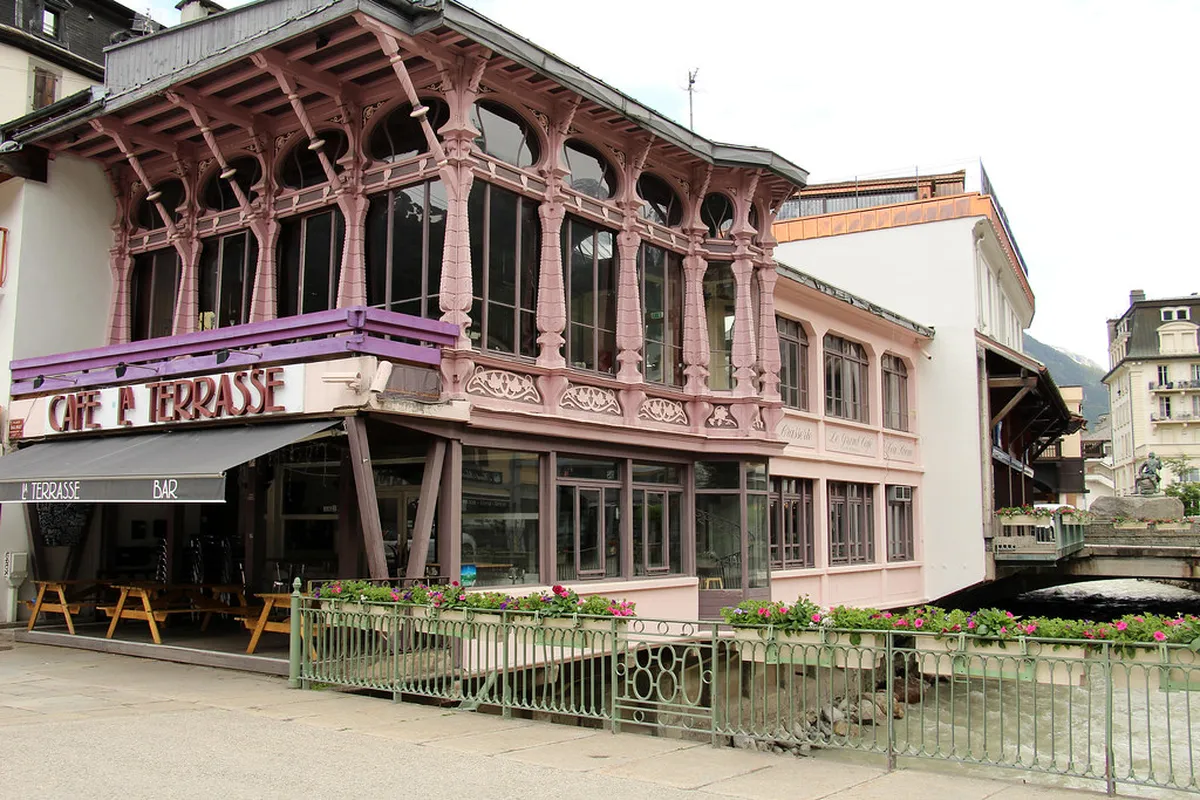
Look for geometric patterns and streamlined forms. Facades often feature decorative ironwork. The style prioritizes symmetry and rich materials. You can easily spot these buildings downtown. They stand out with their distinctive look.
Notable Chamonix Art Deco buildings include former hotels. The Majestic Palace is a prime example. The Post Office building also exhibits classic Art Deco elements. Take time to admire their unique architectural details. They represent a glamorous period in Chamonix's history.
Walking through the town reveals many Art Deco treasures. Pay attention to doorways and window frames. These often carry subtle stylistic touches. They contrast beautifully with the rugged mountain backdrop. Discover the unique charm of this period.
Vibrant Street Art in Chamonix: Murals and Urban Finds
Chamonix's urban landscape is surprisingly vibrant with street art. Local and international artists contribute to this scene. You'll find murals adorning walls and alleyways. These artworks add a modern, edgy contrast to traditional buildings. The art reflects mountain culture and local themes.
Exploring for street art is like a treasure hunt. Some pieces are prominently displayed. Others are tucked away in unexpected corners. Keep your eyes open as you wander. You might discover a hidden masterpiece. The art often changes, offering new views.
For a detailed exploration, check out a Chamonix street art guide. This will point you to key locations. Many works are near the Arve River. Others can be found in the more commercial areas. The tourist office might offer maps.
Artists use various mediums, including spray paint and stencils. Some murals are large-scale and very detailed. They often depict climbers, skiers, or local wildlife. These pieces celebrate Chamonix's identity. They truly bring the town's walls to life.
Modern Architecture and Sustainable Design
Chamonix is not just about historical buildings. The town embraces modern architectural trends too. Contemporary designs often incorporate sustainable practices. New constructions aim to be energy-efficient. They blend functionality with aesthetic appeal.
Modern buildings in Chamonix use materials like glass, steel, and concrete. These create sleek, minimalist facades. Many new residences feature large windows. They maximize natural light and mountain views. You can see these developments around the valley.
Sustainability is a growing focus in new builds. Architects use local timber and renewable energy sources. This approach minimizes environmental impact. It reflects Chamonix's commitment to nature. These structures exemplify responsible development.
Observe the blend of old and new around town. Contemporary structures often complement their historic neighbors. They offer different perspectives on alpine design. The combination creates a visually dynamic urban environment. This evolution showcases Chamonix's ongoing growth.
Self-Guided Walking Tours for Architecture & Art
Discover Chamonix's visual delights at your own pace. A self-guided tour allows flexibility. You can focus on specific styles or areas. Start your journey near the Tourist Office. Information on local history is often available there.
Plan a route covering both historic and modern sites. Walk along the Arve River for various architectural views. Then venture into side streets for hidden street art. Allow at least 2-3 hours for a comprehensive tour. This way you can truly soak in the sights.
Consider using a map or a self-guided architectural tour app. Such tools provide valuable context. They highlight significant buildings and artworks. Many resources are available online. Remember comfortable shoes are essential.
You can create a thematic tour. Focus entirely on Art Deco buildings one day. Dedicate another day to hunting for murals. This tailored approach enhances your experience. Exploring Chamonix's artistic fabric is a rewarding activity. It costs nothing but time.
Capturing Chamonix's Visual Story: Photography Tips
Chamonix offers endless photographic opportunities. Capture its unique blend of art and architecture. Golden hour, just after sunrise or before sunset, is ideal. The soft light enhances building textures. It brings out the vibrant colors of street art.
Focus on compositions that include both mountains and buildings. This juxtaposition is quintessentially Chamonix. Look for reflections in windows or puddles. Experiment with different angles. Get low for dramatic perspectives.
For street art, pay attention to context. Include surrounding elements to tell a story. Capture details of the artwork. Use a wide-angle lens for murals. A telephoto lens helps with distant architectural features.
Consider joining a Chamonix architecture photography workshop. Local photographers offer valuable insights. They know the best spots and times. Early mornings often provide clear light. Fewer people are around then, too.
Frequently Asked Questions
Where can I find the best street art spots in Chamonix?
Many vibrant murals are found near the Arve River banks. Explore the smaller alleyways downtown for hidden gems. The area around the train station also has interesting pieces. Check local art maps for new installations. An urban art walking tour can guide you. Many artists contribute year-round.
Are there any guided tours focusing on Chamonix's architecture?
Yes, some local guides offer architectural tours. They provide insights into different building styles. These tours cover traditional chalets to Art Deco masterpieces. Inquire at the Chamonix Tourist Office. Booking in advance is often recommended, especially in peak season.
What architectural style is most prominent in Chamonix?
Traditional alpine chalet style is very prominent. You will also see significant Art Deco influences. The 1920s brought many elegant additions. More modern, sustainable designs are emerging as well. Chamonix truly offers a mix of eras.
Is Chamonix street art permanent, or does it change often?
Some street art pieces are relatively permanent murals. Others, especially graffiti, can be temporary. The urban art scene is dynamic and evolving. New works appear regularly. Revisit Chamonix to see fresh artistic expressions. It keeps the town's walls interesting.
Chamonix's street art and architecture offer a unique cultural experience. From historic chalets to Art Deco grandeur, its buildings tell stories. Vibrant murals add a contemporary twist. This blend of old and new makes Chamonix truly special. Plan your visit in 2025 to discover these visual treasures.
Take time to wander the streets and look up. Each corner may reveal a hidden artwork or an architectural marvel. Embrace the contrast between the rugged mountains and refined urban elements. We encourage you to explore the valley's historic structures and vibrant street scenes. Your visual journey through Chamonix awaits.
Key Takeaways
- Explore Chamonix's diverse architecture, from traditional chalets to Art Deco buildings.
- Discover vibrant street art and hidden murals scattered across the town.
- Consider a self-guided walking tour to experience Chamonix's visual landscape at your own pace.