
Chartres Cathedral Architectural History Evolution
Explore the rich Chartres Cathedral architectural history evolution. Discover its Romanesque roots to its High Gothic masterpiece status. Plan your 2025 visit!
On this page
Chartres Cathedral stands as a monumental achievement in France. Its architectural history evolution spans centuries of dramatic change. This guide explores its transformation over time. Discover its ancient roots and stunning Gothic rebirth. Prepare to be amazed by this UNESCO World Heritage site.
Early Foundations: Romanesque Chartres
Before the current structure, earlier churches stood on this site. Fires repeatedly destroyed these predecessors. A significant Romanesque basilica was built in the 11th century. This structure featured massive stone walls and round arches.
Remnants of this Romanesque phase survive today. You can explore the vast crypt beneath the cathedral. This is one of Europe's largest Romanesque crypts. It offers a glimpse into Chartres Cathedral's past. Visitors in 2025 can still walk through its ancient passages.
This earlier architecture laid crucial groundwork. It informed later building efforts and design choices. The Romanesque period established a sacred space. It was ready for its magnificent future transformation.
The Great Fire of 1194 and Rebirth
A devastating fire struck Chartres in 1194. It destroyed most of the Romanesque basilica. Only the crypt and the west façade towers survived. This catastrophe seemed like an ending.
However, it became a powerful new beginning. The community rallied for an ambitious reconstruction project. This rapid rebuilding effort started almost immediately. It symbolized hope and resilience for the town of Chartres.
The decision was made to embrace the emerging High Gothic style. This marked a pivotal moment in the cathedral's story. The new design would push architectural boundaries. It would create a truly revolutionary building for its time.
High Gothic Masterpiece Takes Shape
The post-1194 reconstruction quickly began. Builders adopted revolutionary High Gothic techniques. They utilized pointed arches and ribbed vaults. These innovations allowed for taller, lighter structures.
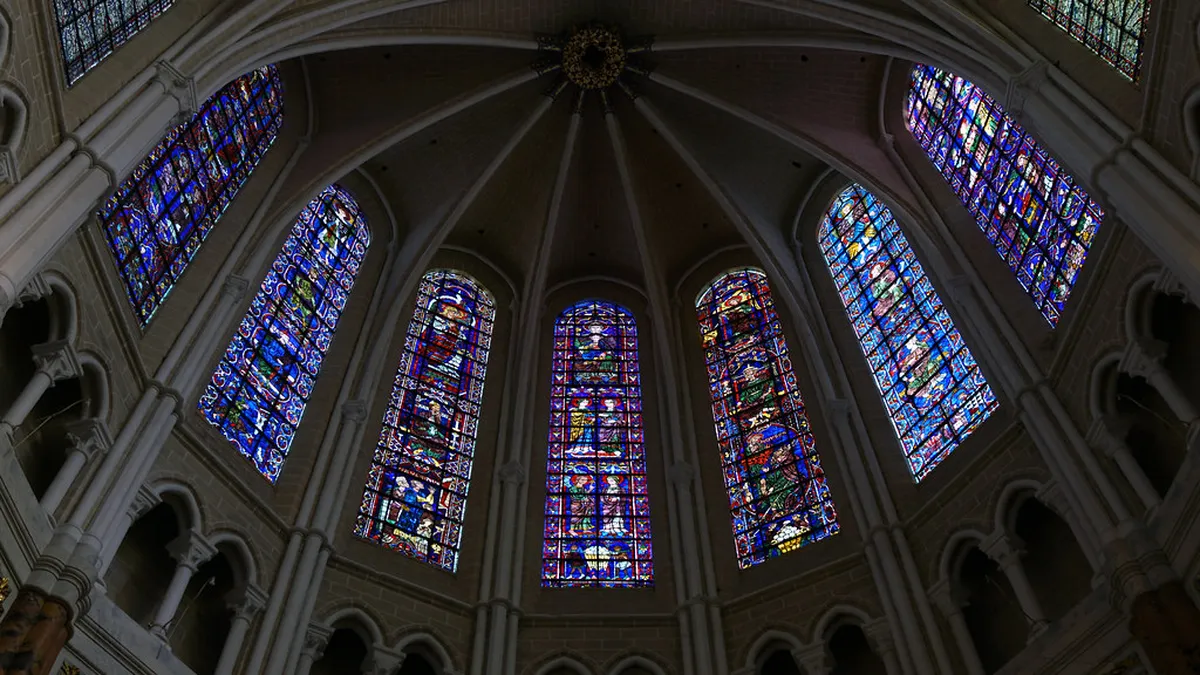
Perhaps the most iconic feature is the flying buttresses of Chartres Cathedral. These external supports enabled thinner walls. They also allowed for enormous stained-glass windows. The interior became flooded with divine light.
The construction was remarkably swift. Most of the main structure finished within 30 years. This rapid pace contributed to its cohesive design. It created a harmonious and unified architectural vision.
Later Additions and Enduring Legacy
While largely Gothic, the cathedral saw some later additions. The North Spire, for example, features intricate Flamboyant Gothic details. It contrasts with the simpler Early Gothic South Spire. This showcases evolving architectural styles across centuries.
The cathedral remarkably survived major conflicts. The French Revolution and two World Wars left it largely intact. Its resilience speaks to its robust construction. This preservation allows us to study its complete architectural history.
Chartres Cathedral remains a pilgrimage site today. Its enduring beauty inspires countless visitors. It serves as a testament to medieval craftsmanship. Its profound influence on Gothic architecture is undeniable.
Experiencing Chartres Cathedral in 2025
Visiting Chartres Cathedral offers a profound experience. You can explore its awe-inspiring interior. Admire the famous Chartres blue stained-glass windows. Consider a guided tour to learn more about its construction.
Entry to the cathedral is free of charge. However, there may be a fee to visit the crypt. Guided tours, including tower climbs, cost extra. Check the official website for current 2025 operating hours.
The cathedral is located in the heart of Chartres, France. It is easily accessible by train from Paris. Allow at least two to three hours for your visit. Discover the incredible Chartres Cathedral architecture firsthand.
Frequently Asked Questions
How long did it take to build Chartres Cathedral?
The main High Gothic cathedral, rebuilt after the 1194 fire, was constructed very quickly. Most of the work finished within about 30 years. However, various parts, like the spires, took longer to complete.
What architectural styles are present in Chartres Cathedral?
Chartres Cathedral primarily showcases High Gothic architecture. You can see remnants of earlier Romanesque styles in the crypt. The North Spire also features elements of Flamboyant Gothic. This blend highlights its long and varied construction period.
Why is Chartres Cathedral considered architecturally significant?
It is significant for several reasons. It embodies the pinnacle of High Gothic design. Its innovative use of flying buttresses was groundbreaking. The extensive original stained glass is also unparalleled. UNESCO recognizes its global importance. You can explore other iconic Chartres architectural landmarks to compare.
The Chartres Cathedral architectural history evolution tells a story of rebirth. From Romanesque foundations to Gothic glory, it is a marvel. Its resilience and beauty continue to inspire visitors worldwide. Plan your trip to witness this architectural wonder. Explore the city of Chartres in 2025.
Key Takeaways
- Chartres Cathedral evolved from Romanesque origins to a High Gothic masterpiece.
- The 1194 fire was a turning point, leading to its rapid, innovative reconstruction.
- Key features like flying buttresses allowed for its immense stained-glass windows.