
Moët Chandon Épernay Architecture History Guide
Discover the Moët Chandon Épernay architecture history in 2025. Explore grand estates and historic chalk cellars with our expert guide. Plan your tour today!
On this page
Welcome to the heart of the Champagne region in 2025. The Moët Chandon Épernay architecture history tells a story of luxury. This iconic house stands proudly on the famous Avenue de Champagne. Its walls hold secrets from nearly three centuries of expert winemaking.
The estate serves as a symbol of French elegance and prestige. Visitors from around the world come to admire its grand facades. The buildings reflect the evolution of architectural styles in France. You will find a perfect blend of history and modern design here.
Exploring this site offers more than just a wine tasting experience. It provides a deep look into the heritage of Épernay. The architecture represents the success of the Moët family through the ages. Start your journey by walking through the magnificent iron gates.
The 18th Century Foundations of Moët Chandon
Claude Moët founded this legendary wine house in 1743. He chose a prime location in the city of Épernay. The early buildings featured local limestone as the primary material. This white stone gave the estate a clean and classic appearance.
The original layout focused on the practical needs of winemaking. Large courtyards allowed for easy movement of heavy wine barrels. Sturdy walls protected the production areas from the outside elements. You can still see these historic Épernay architecture features today.
As the business grew, the family expanded their residential quarters. They added wings that reflected the tastes of the French Enlightenment. Symmetry and balance became key elements of the estate's visual design. These early choices set the stage for future architectural grandeur.
The main house served as both a home and office. It showcased the wealth and influence of the Moët family. Fine details were carved into the stone lintels and doorways. This craftsmanship remains visible to those who look closely.
Neoclassical Elegance on Avenue de Champagne
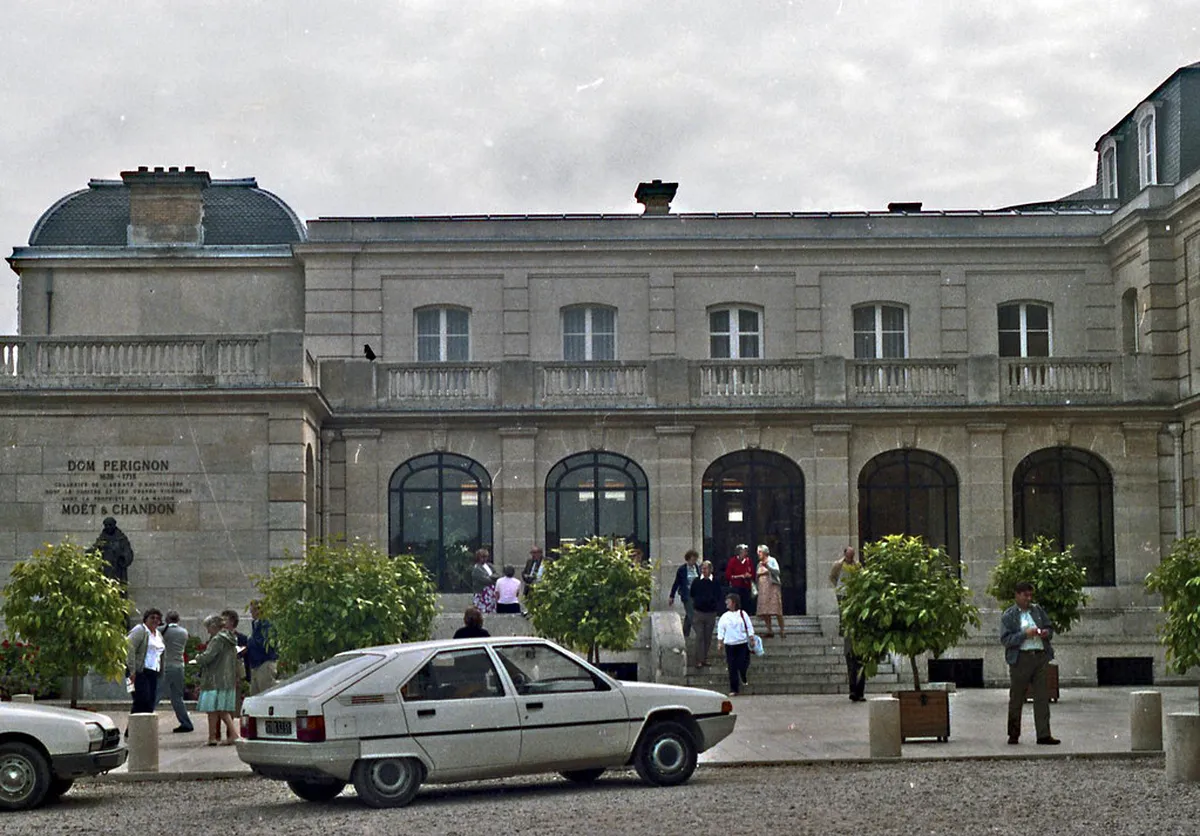
The 19th century brought major changes to the estate's overall look. Architects introduced the Neoclassical style to the main buildings. This style emphasized grand columns and perfectly balanced proportions. It mirrored the imperial ambitions of the French leaders at the time.
The famous Orangerie is a highlight of this architectural era. Large arched windows dominate the facade of this beautiful building. These windows allowed maximum sunlight to reach the delicate orange trees. It remains one of the most photographed spots in the city.
Nearby, the Trianon house offers another example of high-end design. It was built specifically to host elite guests and royalty. The interiors feature intricate wood carvings and expensive marble floors. Explore the Avenue de Champagne architecture to see these stunning details.
The gardens surrounding these buildings are equally impressive and structured. They follow the traditional French formal garden style of the period. Perfectly trimmed hedges create geometric patterns across the green lawns. Statues of mythological figures add a touch of artistic flair.
The Subterranean Architecture of the Chalk Cellars
Below the surface lies the most impressive part of the estate. The Moët Chandon cellars stretch for over 28 kilometers in total. These tunnels were carved directly into the natural chalk soil. This unique geology provides the perfect environment for aging champagne.
The architecture of the cellars is a feat of engineering. Master masons created vaulted ceilings to support the weight above. These arches prevent the tunnels from collapsing under the city streets. You will feel the cool air as you descend the stairs.
The temperature remains a constant 10 to 12 degrees Celsius. This natural climate control is essential for the wine's quality. Lighting in the cellars is kept dim to protect the bottles. You can learn more about Champagne house architecture in Épernay during your visit.
Walking through these tunnels feels like stepping back in time. Some sections of the cellars date back to the early 1800s. You will see millions of bottles resting in the dark alcoves. The sheer scale of this underground world is truly breathtaking.
Modern Renovations and Future Preservation in 2025
Moët Chandon continues to update its facilities for modern visitors. Recent renovations in 2025 focus on enhancing the guest experience. New glass structures blend seamlessly with the historic stone walls. These additions provide a contemporary touch to the old estate.
The visitor center now features interactive displays and digital galleries. Architects used sustainable materials to reduce the environmental impact. Solar panels are cleverly hidden to preserve the traditional skyline. This balance ensures the site stays relevant for future generations.
Conservation teams work year-round to maintain the aging limestone facades. They use traditional methods to repair any wear and tear. This dedication keeps the Moët Chandon Épernay architecture history alive. It is a constant effort to protect this cultural treasure.
Booking a tour is the best way to see these updates. Prices for basic tours start around 35 Euros per person. Most tours last approximately 90 minutes and include a tasting. Check the best Champagne house tours in Épernay for current availability.
Frequently Asked Questions
What is the best time to visit Moët Chandon in 2025?
The best time to visit is during the spring or fall months. The weather is mild and the vineyards are beautiful. Summer is very busy so you should book weeks in advance. Winter offers a quieter experience with fewer crowds at the estate.
How long is the architectural tour of the estate?
Standard tours typically last about one hour and thirty minutes. This includes time in the cellars and the historic buildings. Some private tours can last longer for architectural enthusiasts. Always arrive fifteen minutes early to check in at the desk.
Are the Moët Chandon cellars accessible for all visitors?
The cellars have some steep stairs and uneven floors in sections. However, the house has made improvements for accessibility in recent years. Elevators are available for those who cannot use the stairs easily. Please contact the staff before your visit to arrange assistance.
The Moët Chandon Épernay architecture history is a must-see for any traveler. From the grand Neoclassical facades to the deep chalk cellars, it is spectacular. This estate perfectly captures the spirit and luxury of French culture. Plan your visit to Épernay in 2025 to experience this beauty yourself.
Key Takeaways
- The estate features 28 kilometers of historic chalk cellars.
- The Orangerie is a masterpiece of 19th-century Neoclassical design.
- Tours in 2025 require advance booking due to high demand.
- The architecture reflects nearly 300 years of winemaking heritage.