
Discover the Unique Architecture of Gallo-Roman Museum Lyon
Explore the groundbreaking architecture of Gallo-Roman Museum Lyon. Learn about its unique underground design and integration with ancient ruins. Plan your 2025 visit now!
On this page
Lyon, a city rich in history, offers remarkable cultural experiences. Among its treasures is the Gallo-Roman Museum of Lyon-Fourvière. This museum is not just about ancient artifacts. Its striking architecture of Gallo-Roman museum Lyon tells its own compelling story. Prepare to explore a design marvel.
Opened in 1975, the museum blends seamlessly with its ancient surroundings. It stands as a testament to thoughtful architectural planning. Visiting in 2025 offers a chance to appreciate this unique fusion. Discover how modern design honors the past.
The Vision Behind the Museum's Architecture
The creation of the Gallo-Roman Museum presented a challenge. Architects needed to build near precious ancient Roman ruins. The goal was to protect and highlight these historical sites. This sensitivity shaped the entire architectural concept.
Architect Bernard Zehrfuss conceived the original vision. Christian Lardat later brought this design to life. Their aim was a structure that would not overshadow its surroundings. Instead, it would integrate respectfully into the Fourvière Hill. The building opened in 1975.
The architects prioritized discretion and functionality. They chose to embed the museum into the hillside. This decision allowed the ancient theatre and odeon to remain prominent. The resulting architecture of Gallo-Roman museum Lyon is truly unique. It serves as a respectful guardian of history.
A Masterpiece of Underground Design
The museum's most striking feature is its underground nature. Much of the structure is carved into Fourvière Hill. This design choice minimizes its visual impact from above. It also creates a distinct journey for visitors.
Raw, exposed concrete defines the museum's aesthetic. This material choice aligns with Brutalist architectural styles. It provides a stark, minimalist backdrop for ancient artifacts. The concrete also echoes the solid, enduring nature of Roman construction. The effect is both modern and timeless.
Natural light filters into the underground spaces. Large, strategically placed openings allow sunlight to penetrate. These openings connect visitors to the outside world. They offer glimpses of the ancient site and the city beyond. The design ensures a bright, welcoming interior despite being subterranean.
Visitors navigate the museum via a series of ramps. These gentle slopes create a continuous, flowing path. They lead through various exhibition halls. This circular movement enhances the immersive experience. It feels like a journey back through time.
Seamless Integration with Ancient Fourvière
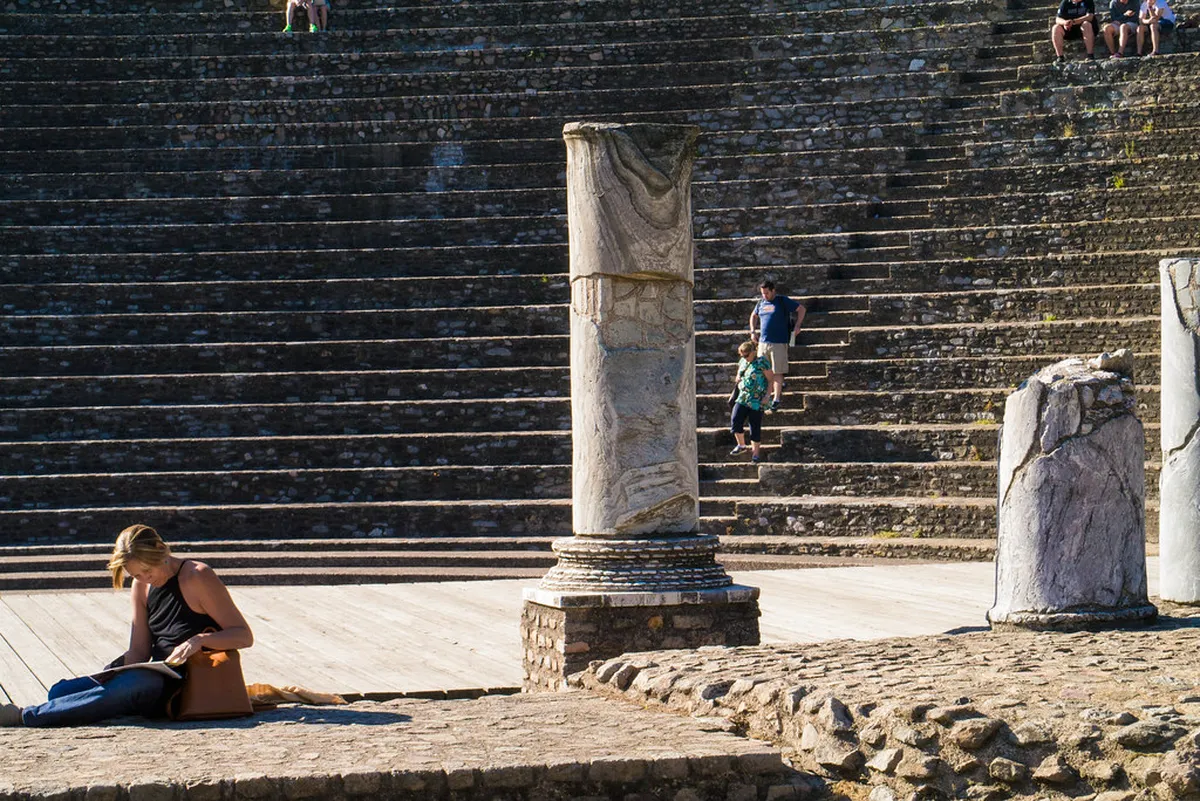
The museum sits directly adjacent to Lyon's Roman theatre and odeon. Its innovative design prevents it from competing with these ancient wonders. Instead, it forms a harmonious extension of the archaeological park. The entrance is cleverly tucked away.
From the outside, the museum's presence is subtle. Concrete ramps and walls emerge from the hillside. They blend into the landscape. This careful planning ensures the ancient Roman sites remain the main attraction. The building humbly defers to history.
The design thoughtfully frames views of the nearby ruins. Specific windows offer curated perspectives. They invite contemplation of the historical context. This connection to the past is central to the museum's purpose. It enhances understanding for every visitor exploring the Fourvière site.
Exploring the Museum's Interior Layout
Stepping inside reveals a world dedicated to preservation. The raw concrete walls and ceilings create an atmosphere of reverence. These robust surfaces provide a neutral canvas. They allow the ancient Roman artifacts to truly shine. The interior feels like an archaeological excavation itself.
The exhibition halls are spacious and thoughtfully arranged. Artifacts are displayed with clear information. The progression through the museum is logical and engaging. It guides visitors through different periods of Gallo-Roman history. Each turn offers a new discovery.
The open, ramped pathways eliminate barriers between levels. This design creates an accessible experience for all. It encourages exploration at a comfortable pace. You can fully immerse yourself in Lyon's rich past. Visiting the museum offers a deep dive into ancient life.
The architects considered the interplay of light and shadow. Recessed lighting highlights specific exhibits. Natural light from above illuminates broader areas. This careful balance enhances the viewing experience. It brings the ancient world to vivid life.
Practicalities for Your 2025 Architectural Tour
Planning your visit in 2025 offers a wonderful experience. The Gallo-Roman Museum is easily accessible. It is located on Fourvière Hill, near the Roman theatre. Public transport offers convenient routes to the area.
Combine your museum visit with exploring the ancient ruins. The proximity means you can see both easily. Allow ample time to appreciate the architecture itself. Observe how it interacts with the historical context.
Check the museum opening hours before your trip. Typically, it is closed on Mondays. Booking tickets online might save time. Weekday mornings often have fewer crowds. This allows for a more contemplative experience.
Consider a guided tour focusing on the museum's architecture. Such tours offer deeper insights into its design philosophy. Even without a guide, the building speaks volumes. Its innovative approach to historical preservation is evident everywhere. It is a must-see for design enthusiasts.
Frequently Asked Questions
Who was the architect of the Gallo-Roman Museum in Lyon?
The initial vision for the Gallo-Roman Museum came from Bernard Zehrfuss. Christian Lardat was the architect who ultimately realized the design. He completed the museum's construction. It opened its doors in 1975.
What is unique about the Gallo-Roman museum's architecture?
Its primary unique feature is its underground construction. The museum is largely built into Fourvière Hill. This design minimizes its visual impact. It also allows for seamless integration with the ancient Roman ruins nearby. The use of raw concrete is also distinctive.
How does the museum integrate with the ancient Roman ruins?
The museum's architecture is deliberately subtle. It uses natural slopes and materials like concrete. This approach ensures the ancient theatre and odeon remain the focal point. Specific windows frame views of the ruins. This creates a continuous historical narrative. It connects the modern structure to ancient Lyon's architectural landscape.
The architecture of Gallo-Roman Museum Lyon stands as a brilliant achievement. It masterfully blends modern design with ancient history. Its thoughtful underground structure preserves the past. This innovative approach offers a truly immersive experience.
Visiting this architectural gem in 2025 is highly recommended. It showcases how buildings can respect their historical context. Plan your trip to discover this unique fusion. Experience the blend of old and new in Lyon. Explore Lyon's broader architectural landscape for more wonders.
Key Takeaways
- The Gallo-Roman Museum is largely underground, respecting ancient Fourvière Hill.
- Architect Christian Lardat used raw concrete, blending brutalism with archaeological sensitivity.
- The interior features ramps and natural light, guiding visitors through history.
- Combine your visit with the Roman theatre and odeon for a complete historical experience.