
Discover Lyon's Famous Traboules Architecture Guide
Uncover the unique Traboules architecture in Lyon, France. Explore hidden passages and learn their fascinating history in Vieux Lyon and Croix-Rousse. Plan your 2025 visit now!
On this page
Lyon, France, hides a remarkable secret within its historic walls. These are the famous Traboules, a network of hidden passages and courtyards. Exploring the unique Traboules architecture Lyon offers provides a glimpse into the city's past. They served as vital shortcuts for silk workers and residents for centuries. This guide will help you discover these fascinating urban treasures in 2025.
These architectural marvels connect streets through buildings. They reveal stunning courtyards and intricate designs. Prepare to step back in time as you navigate Lyon's secret alleys. Each Traboule tells a captivating story of daily life and resistance.
What are Traboules? History of Lyon's Passages
Traboules are distinctive covered passageways found in Lyon. They cut through buildings, linking one street to another. These ingenious routes provided shelter and swift movement. The earliest Traboules date back to the 4th century. They helped residents fetch water from the Saône River safely.
Their golden age arrived with the silk industry in the 19th century. Silk weavers, known as Canuts, used them to transport fabrics. Delicate silks remained protected from weather damage. These passages facilitated commerce and daily life for workers. Discover more about the history of Lyon's secret passages.
Traboules also played a crucial role in history. During World War II, they aided the French Resistance. Fighters used the hidden network to evade Nazi occupation forces. This rich history makes each passage more significant. They are much more than simple shortcuts.
Where to Find Lyon's Iconic Traboules Districts
Lyon's Traboules are primarily concentrated in two historic areas. These are Vieux Lyon (Old Lyon) and the Croix-Rousse hill. Each district offers a unique experience. Vieux Lyon's passages often feature Renaissance architecture. The Croix-Rousse area showcases the Canuts' legacy.
Vieux Lyon is a UNESCO World Heritage site. Its Traboules weave through stunning Renaissance buildings. Many connect Rue Saint-Jean with Rue du Bœuf. You will find ornate doorways and hidden courtyards. Exploring this area feels like a true adventure. You can explore the hidden Traboules of Vieux Lyon.
La Croix-Rousse sits atop a hill north of the city center. This was historically the silk weavers' neighborhood. Its Traboules are often straighter and more utilitarian. They served practical purposes for moving heavy silk looms. Look for the "Cour des Voraces" as a highlight. This iconic passage is one of the most famous.
Architectural Wonders of Lyon's Passages
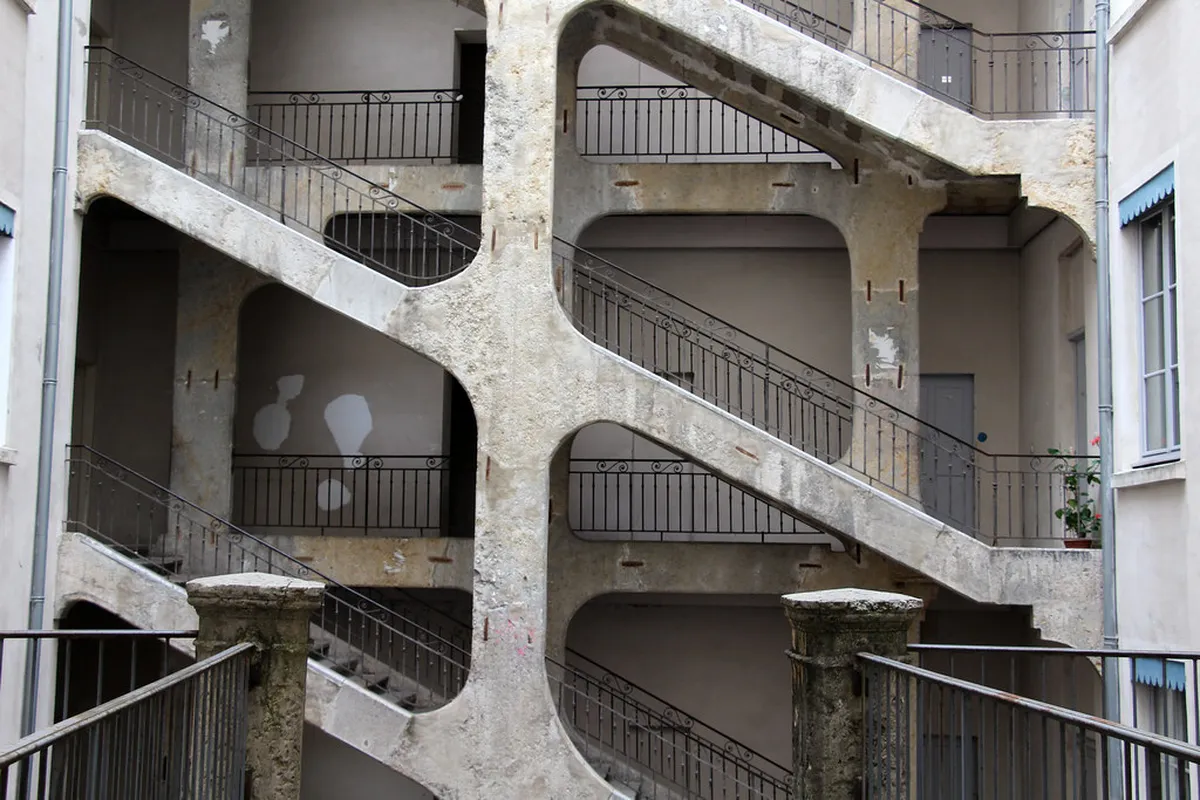
The Traboules display diverse architectural styles. Vieux Lyon's passages often show beautiful Renaissance influences. Expect vaulted ceilings, stone staircases, and intricate details. These elements reflect the city's rich past. Many courtyards feature impressive facades. Some even include ancient wells.
The Croix-Rousse Traboules lean towards a more functional design. They are still charming in their own way. Large open courtyards were common. They allowed weavers to dry their silk threads. High ceilings also accommodate large weaving looms. Some passages include multiple levels of stairs. These connect different streets and elevations.
Many Traboules feature hidden entrances. Look for small, unassuming doors or archways. Some are openly accessible during the day. Others require a bit of exploration. Pay attention to the signage on buildings. These signs often indicate a public passage. Consider joining a walking tour for deeper insights.
You can discover the best Traboules for architecture lovers in Lyon. Each passage offers a unique visual journey. From grand arches to modest doorways, the details are captivating. These structures truly represent Lyon's historical fabric.
Tips for Exploring Traboules Safely in 2025
When exploring Traboules, remember they are residential areas. Be respectful of the residents' privacy. Keep noise levels down. Do not block doorways or common areas. Many passages are open daily. Most are accessible from 8 AM to 7 PM. Always check for posted opening times.
Some Traboules are privately owned and occasionally closed. Look for plaques or signs indicating public access. Wear comfortable shoes for walking. Many passages involve uneven surfaces and stairs. A good map or a guided tour is highly recommended. This will help you find the most interesting routes.
Consider visiting during off-peak hours for a quieter experience. Early mornings are often best. This avoids larger crowds. Always stay aware of your surroundings. Enjoy the unique atmosphere these hidden gems provide. Lyon's Traboules are a true treasure.
You can find numerous guides online for self-guided tours. However, a local guide provides valuable historical context. They can also point out easily missed details. Some tours specialize in the Renaissance architecture of Vieux Lyon. Others focus on the silk workers' history. Choose a tour that matches your interests.
Planning Your Traboules Adventure in Lyon
Visiting Lyon's Traboules is a must-do activity for 2025. Allow at least half a day to explore one district thoroughly. A full day is ideal for seeing both Vieux Lyon and Croix-Rousse. Public transport in Lyon is excellent. Use the metro to reach both areas easily. Vieux Lyon has its own metro station. Croix-Rousse is also well-served.
There is no entrance fee for most public Traboules. You simply walk through them. Guided tours, however, do incur a cost. Prices vary depending on the tour length and provider. Expect to pay around 15-30 Euros for a group tour. Private tours will be more expensive. Booking in advance is advisable, especially during peak season.
Combine your Traboules visit with other local attractions. In Vieux Lyon, explore the Cathédrale Saint-Jean. You can also visit the Gallo-Roman Museum and Fourvière Basilica. In Croix-Rousse, discover the Maison des Canuts. This museum celebrates Lyon's silk heritage. It offers fascinating insights.
Don't forget to sample Lyon's famous gastronomy. Look for traditional bouchons (restaurants) nearby. Enjoy a delicious meal after your architectural exploration. This makes for a perfect day in Lyon. Check out our guide to street art and architecture in Lyon for more ideas.
Frequently Asked Questions
Are all Traboules in Lyon open to the public?
No, not all Traboules are open to the public. Many are private residences or commercial passages. Look for signs indicating public access. The most famous ones are usually accessible during daylight hours. Always respect residents' privacy when exploring.
What is the best way to find the hidden Traboules?
The best way to find them is with a good map. Many tourist offices provide maps marking public Traboules. Guided tours are also excellent options. They reveal less obvious passages. Smartphone apps are available too for self-guided exploration.
What should I wear when exploring Lyon's Traboules?
Wear comfortable walking shoes. Traboules often involve stairs and uneven surfaces. Dress in layers, as temperatures can vary between passages. A light jacket is always a good idea. This ensures a comfortable and enjoyable experience.
Why are Traboules significant to Lyon's history?
Traboules are vital to Lyon's history due to their practical uses. They facilitated silk trade and daily life for workers. They also played a crucial role during the French Resistance. These passages represent the ingenuity and resilience of Lyon. They are key to understanding the city's past.
The Traboules architecture Lyon boasts is a unique urban marvel. These secret passages offer an unforgettable journey. They connect you directly to the city's rich past and vibrant culture. Exploring them provides a true sense of discovery. Plan your visit to these incredible hidden gems in 2025.
From the Renaissance elegance of Vieux Lyon to Croix-Rousse's silk-weaving legacy, each Traboule tells a tale. Respect the local residents and enjoy your adventure. Uncover Lyon's profound history one secret passage at a time. Start planning your Lyon trip today!
Key Takeaways
- Traboules are hidden passages in Lyon with rich history.
- Explore them in Vieux Lyon (Renaissance) and Croix-Rousse (silk weavers).
- Be respectful, many are private residences; check for public access.
- Wear comfortable shoes and allow ample time for exploration.
- Consider a guided tour for deeper historical insights.