
Fourvière Roman Theatre: Discover Lyon's Ancient Site
Explore the incredible Fourvière Roman Theatre archaeological site in Lyon. Plan your 2025 visit to this historic wonder and Roman ruins. Discover ancient Lyon!
On this page
Lyon, France, boasts a remarkable past. The Fourvière Roman Theatre archaeological site stands as a testament to this history. This ancient complex offers a unique glimpse into Lugdunum, the Roman city. Visitors can walk through centuries of captivating history here. Plan your unforgettable journey to this iconic Lyon landmark for 2025.
Unveiling Ancient Roman Lyon's Grand Past
The Fourvière Roman Theatre archaeological site is truly magnificent. It comprises two impressive Roman structures. The larger is the Grand Théâtre, built in 15 BC. It once seated up to 10,000 spectators for grand performances. Emperor Augustus himself initiated its construction.
Next to the theatre lies the smaller Odeon. This structure was completed around 160 AD. It held approximately 3,000 people. The Odeon hosted musical performances and poetry readings. Both buildings reveal much about Roman social life in Lugdunum.
These ruins highlight Lyon's profound Roman heritage. They are among the most significant Roman architecture Lyon sites. The sheer scale demonstrates Roman engineering prowess. Imagine the bustling crowds and vibrant events that once filled these spaces. The site offers a powerful connection to ancient times.
Archaeological excavations continue to uncover new details. Every discovery adds to our understanding. Experts meticulously preserve the remaining structures. This ensures future generations can appreciate this historical treasure.
Planning Your Visit to Fourvière Roman Theatre
Visiting the Fourvière Roman Theatre archaeological site is straightforward. The site is located on Fourvière Hill. It is easily accessible via the funicular from Vieux Lyon. A round trip funicular ticket costs approximately €3.50 in 2025.
Admission to the archaeological site is completely free. This makes it an excellent budget-friendly activity. The site opens daily from 7 AM to 7 PM. Always check for updated hours before your visit, especially during holidays.
Wear comfortable shoes for walking. The terrain can be uneven with ancient stones. Sun protection is advisable during summer months. There is little shade available directly within the ruins. Bring water to stay hydrated.
Allow at least 1-2 hours to fully explore. This includes time for photos and reflection. You can combine your visit with other nearby attractions. The Basilica of Notre-Dame de Fourvière is just a short walk away. Its panoramic views are breathtaking.
Exploring the Grand Theatre and Odeon
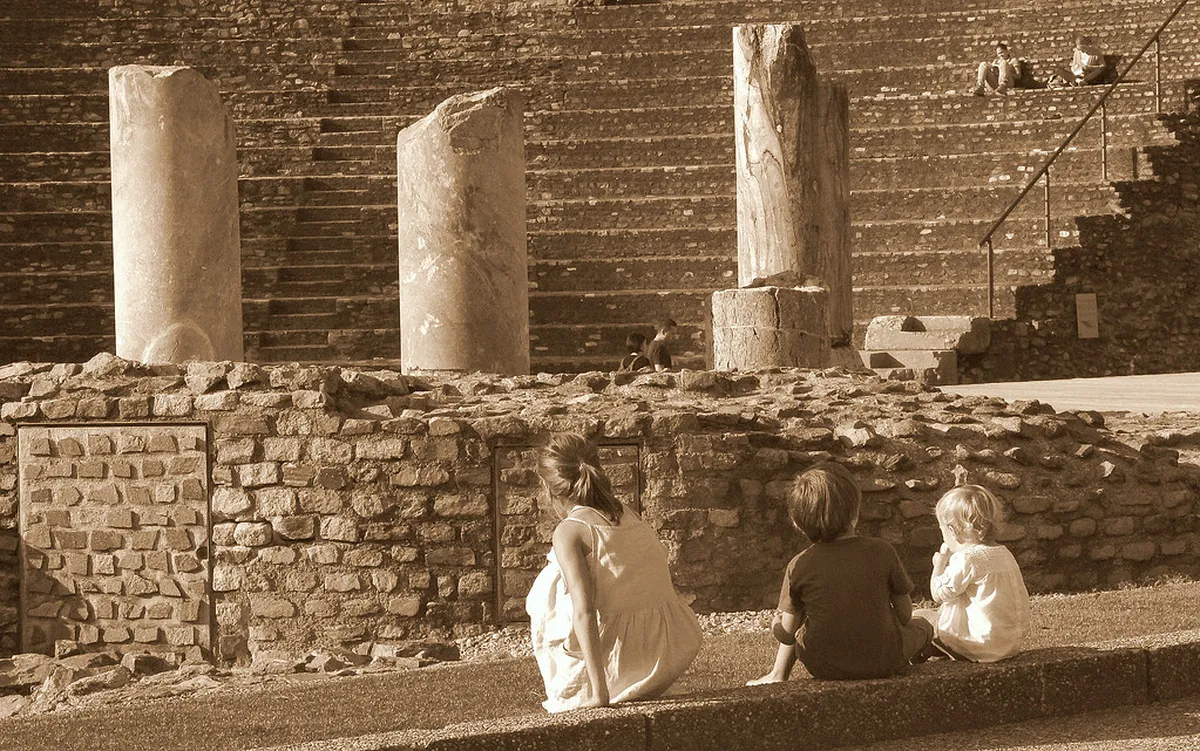
The Grand Théâtre dominates the Fourvière Roman Theatre archaeological site. Its semi-circular seating tiers are still visible. Imagine the sheer size of the original structure. Actors performed plays and mimes on its stage.
Walk down into the orchestra pit. You can stand where Roman dignitaries once sat. The acoustics remain surprisingly good. Sometimes, modern performances use the theatre. Check local Lyon event listings for special concerts.
The Odeon, while smaller, is equally fascinating. Its layout mirrors the grander theatre. It shows how Romans separated different types of entertainment. This intimate venue hosted cultural gatherings. It provides a quieter contemplative space.
Nearby, discover remnants of the ancient city wall. You will also see foundations of other Roman buildings. Interpretive signs offer valuable historical context. They explain the function and significance of each area. Take your time to read these informative plaques.
Enhancing Your Experience: The Gallo-Roman Museum
Directly adjacent to the Fourvière Roman Theatre archaeological site is the Lugdunum Museum. This museum, also known as the Gallo-Roman Museum, is underground. Its striking modern architecture contrasts with the ancient ruins. Entry typically costs around €7 for adults in 2025.
The museum houses a vast collection of artifacts. These items were excavated from Lyon's Roman sites. You will find mosaics, sculptures, and everyday objects. They vividly illustrate Roman life in Lugdunum. The exhibits offer deep insights.
Key highlights include a monumental calendar and intricate jewelry. Look for the famous "Claudian Tables." These bronze tablets contain Emperor Claudius' speech. He advocated for Gauls to enter the Roman Senate. This historical artifact is truly significant.
A visit to the museum complements the archaeological site perfectly. It provides context and a deeper understanding. The architecture of the museum itself is notable; learn more about the Gallo-Roman Museum's unique design. Allow another 1.5 to 2 hours for the museum. Purchase tickets at the entrance or online beforehand.
Insider Tips for Your Fourvière Exploration in 2025
Visiting early mornings or late afternoons is best. You can avoid large crowds and harsh sunlight. This also provides ideal lighting for photography. Capture stunning views of the city below and the ancient ruins.
Consider a guided tour for deeper insights. Local guides offer fascinating historical anecdotes. Many tours combine the theatre with the Basilica. They explain the complex Roman history effectively. Check tour availability online for 2025.
After exploring, enjoy lunch in Vieux Lyon. This charming district offers many traditional bouchons. You can savor authentic Lyonnaise cuisine. It is a perfect way to conclude your historical journey. Choose from a variety of delightful options.
Do not miss the panoramic viewpoint near the basilica. It offers sweeping vistas of Lyon. You can see across the Saône and Rhône rivers. The view extends to the Alps on clear days. This provides a stunning backdrop to your visit. It is a memorable sight.
Frequently Asked Questions
Is the Fourvière Roman Theatre archaeological site free to enter?
Yes, access to the Fourvière Roman Theatre archaeological site is free. You can wander through the ancient ruins at no cost. This makes it an accessible historical attraction. Only the funicular ride and museum require a fee.
How old are the Fourvière Roman Theatre and Odeon?
The Grand Théâtre dates back to 15 BC. Emperor Augustus commissioned its construction. The Odeon was built later, around 160 AD. Both structures are nearly 2,000 years old. They showcase incredible Roman engineering. These are important ancient Roman ruins in Lyon.
How much time should I allocate for visiting the Fourvière site?
Plan to spend about 1 to 2 hours at the archaeological site. This allows for thorough exploration. If you include the Lugdunum Museum, allocate 3 to 4 hours total. It makes for a comprehensive historical experience. This duration ensures you don't feel rushed.
What is the best way to get to the Fourvière Roman Theatre?
The easiest way is by taking the funicular. It departs from the Vieux Lyon metro station. Alternatively, you can enjoy a scenic walk uphill. The walk takes about 15-20 minutes. It offers charming views of the city as you ascend.
The Fourvière Roman Theatre archaeological site offers a captivating journey. It connects visitors to Lyon's rich Roman past. Explore the grand theatre and intimate odeon at your own pace. Discover the Lugdunum Museum for deeper insights. Plan your 2025 visit to this remarkable historical treasure.
This iconic site is a must-see for history lovers. It stands as a testament to ancient Lugdunum's importance. Embrace the history and culture of this incredible city. Come and explore Lyon's diverse architectural heritage today!
Key Takeaways
- The Fourvière Roman Theatre site is free to enter and explore.
- Combine your visit with the Lugdunum Museum for comprehensive historical context.
- Take the funicular for easy access to Fourvière Hill, saving walking time.
- Visit early or late to avoid crowds and enjoy the best light for photography.
- Wear comfortable shoes for walking on uneven ancient surfaces.