
Lyon Presqu'île Architecture: A Grand Guide for 2025
Explore Lyon's stunning Presqu'île architecture in 2025. Discover Belle Époque styles and iconic buildings. Plan your architectural tour today!
On this page
Lyon's Presqu'île district offers a captivating architectural journey. This central peninsula sits between the Rhône and Saône rivers. Its buildings tell stories spanning centuries of design. You will uncover neoclassical grandeur and Belle Époque elegance. Prepare to explore magnificent facades and historic squares.
Understanding Presqu'île architecture enhances your Lyon visit. Every street corner reveals unique design elements. From grand civic buildings to ornate residential blocks, history is everywhere. This guide highlights the must-see architectural gems for your 2025 trip.
The Historical Fabric of Presqu'île Architecture
Presqu'île's development reflects Lyon's growth. Roman origins are present in the city's wider history. The peninsula became central during the Renaissance period. It transformed from marshland into a bustling urban hub. Early structures often featured functional, river-facing designs.
Major urban planning efforts reshaped the Presqu'île. Engineers straightened riverbanks and created new land. This expansion allowed for grander public spaces. The 18th and 19th centuries brought significant changes. This period laid the groundwork for its current appearance. Learn more about Presqu'île's architectural history.
Today, the district blends many historical layers. Modern additions integrate respectfully within old frameworks. The result is a coherent, visually rich cityscape. Walking its streets offers a living museum experience. Notice the subtle shifts in architectural eras as you explore.
Grand Belle Époque & Haussmannian Designs
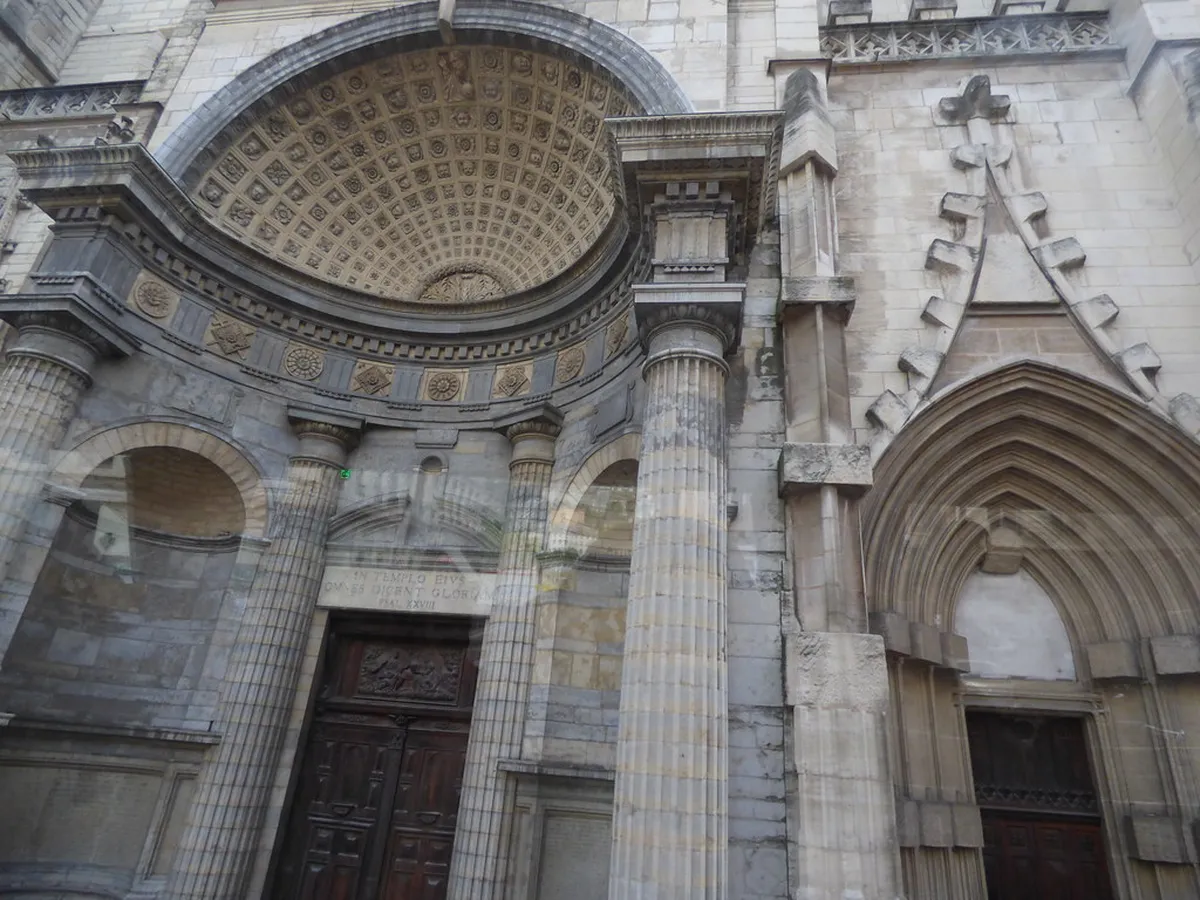
The Belle Époque era heavily influenced Presqu'île architecture. This period, from 1871 to 1914, celebrated opulence. Buildings feature ornate details and graceful lines. Think decorative balconies and elaborate rooflines. Many structures boast large windows and elegant stonework.
Haussmannian style also dominates many boulevards. These buildings feature uniform heights and continuous facades. They create a harmonious streetscape. Look for the distinctive cut stone and mansard roofs. This style brings Parisian grandeur to Lyon's heart.
Prominent examples include buildings around Place Bellecour. Also, explore rue de la République for stunning examples. Discover more about Belle Époque architecture in Lyon. These styles capture a glorious time in French history.
Iconic Presqu'île Buildings and Landmarks
Place Bellecour stands as Europe's largest pedestrian square. It is surrounded by impressive 18th-century buildings. Look for the equestrian statue of Louis XIV. The square itself is a testament to classical urban planning.
The Hôtel de Ville de Lyon is another architectural marvel. Located at Place des Terreaux, it displays baroque design. Its intricate facade and clock tower are striking. The Musée des Beaux-Arts nearby occupies a former abbey. Its architecture is equally magnificent.
Walk along the banks of the Rhône and Saône rivers. Here you will find majestic residential buildings. Their grand scale and intricate details are impressive. Many are considered iconic buildings in Presqu'île. They reflect Lyon's prosperity and sophisticated taste.
From Renaissance Charm to Modern Touches
While Vieux Lyon is known for Renaissance, Presqu'île also has older sections. Some hidden courtyards reveal earlier influences. These blend with later expansions and renovations. Pay close attention to smaller side streets.
The southern tip of Presqu'île features modern architecture. The Confluence district showcases contemporary design. It acts as a stark contrast to the historic center. This area is easily accessible by tram or boat shuttle. It presents Lyon's forward-looking urban vision.
These modern structures offer sleek lines and innovative materials. They represent Lyon's ongoing architectural evolution. Explore this blend of old and new for a complete picture. Consider how new designs integrate with historical contexts. You can also explore modern architecture in Lyon.
Planning Your Architectural Exploration in 2025
A walking tour is the best way to see Presqu'île architecture. Wear comfortable shoes for extensive walking. Most areas are pedestrian-friendly. Allow at least half a day to fully appreciate the details. Consider starting early to avoid crowds.
Guided tours are available for deeper insights. Many focus specifically on architecture or history. Check local tourist offices for schedules and booking. Prices for guided tours typically range from 15 to 30 euros per person. Private tours will cost more.
Self-guided tours allow for flexibility. Download a map or use a travel app. Look up specific addresses for notable buildings beforehand. Don't forget to look up at the intricate rooftops and down at historic cobblestones. This holistic approach reveals much.
- Best time to visit: Spring (April-June) or Fall (September-October) offers pleasant weather.
- Transportation: The metro (lines A, D) and tram (T1, T2) serve the Presqu'île well.
- Food & Drink: Numerous bouchons (traditional Lyonnaise restaurants) are available. Budget 20-40 euros for a meal.
- Accessibility: Main squares are flat, but some side streets may have uneven surfaces.
Frequently Asked Questions
What is unique about Presqu'île architecture in Lyon?
Presqu'île architecture is unique due to its diverse styles. It blends Renaissance, Haussmannian, and Belle Époque influences. Its location between two rivers also shaped its development. The grand public squares and civic buildings are also quite distinctive.
Which specific buildings should I see in Presqu'île for architecture?
Definitely visit the Hôtel de Ville at Place des Terreaux. Explore the surrounding buildings of Place Bellecour. Walk along Rue de la République to admire its facades. The Palais de la Bourse also offers impressive architectural details. These spots showcase key architectural periods.
Are there any hidden architectural gems in Lyon's Presqu'île?
Yes, explore the side streets and courtyards. Many feature unique inner facades and staircases. Some traboules, though fewer than in Croix-Rousse, exist. These hidden passageways connect streets and buildings. They offer a glimpse into older urban structures.
How does Presqu'île architecture compare to Vieux Lyon's?
Presqu'île mostly features 18th-20th century architecture. It emphasizes neoclassical and Belle Époque styles. Vieux Lyon showcases medieval and Renaissance architecture. Its buildings are older and often have Italianate influences. Both districts offer distinct and fascinating architectural experiences.
Lyon's Presqu'île architecture offers a rich tapestry of history and design. From elegant Belle Époque facades to grand civic buildings, it captivates visitors. Plan your 2025 trip to immerse yourself in its unique urban beauty. Every corner holds a piece of Lyon's fascinating past.
Take your time exploring this remarkable district. Appreciate the intricate details and broad boulevards. The architectural grandeur of Presqu'île truly defines Lyon's heart. Start planning your architectural adventure today.
Key Takeaways
- Explore Presqu'île's diverse styles, from Neoclassical to Belle Époque.
- Visit iconic landmarks like Place Bellecour and Hôtel de Ville.
- Walk the district to discover hidden courtyards and intricate details.
- Allow ample time (half a day minimum) for a comprehensive architectural tour.
- Consider a guided tour for deeper historical and design insights.