
Menton Architectural Evolution: A Historical Guide
Explore Menton's architectural evolution from Roman times to modern marvels. Discover unique styles and historical influences. Plan your 2025 visit to Menton!
On this page
Menton, known as the Pearl of France, offers a rich architectural tapestry. Its buildings tell stories of centuries past and diverse influences. Understanding Menton architectural evolution reveals its fascinating heritage. This guide uncovers the layers of history visible in its structures.
From ancient Roman traces to modern designs, Menton presents a captivating journey. You will discover how different eras shaped the city's unique charm. Prepare to explore this beautiful coastal town's enduring legacy. Discover more Menton architectural history facts.
Ancient Roots and Medieval Foundations in Menton
Menton's history dates back to Roman times. Early settlements established the town's initial footprint. Evidence of Roman presence can still be found today. These ancient beginnings laid the groundwork for future development.
The medieval period saw Menton grow into a fortified town. Strategic walls and watchtowers protected its inhabitants. The labyrinthine streets of the Old Town began to form. These narrow passages were designed for defense and shade.
Key surviving structures highlight this early architecture. The Menton's charming old town architecture offers a glimpse. You can see historic stone buildings and ancient archways. Visiting these areas feels like stepping back in time.
Explore the intricate details of medieval craftsmanship. Many buildings retain their original character. These old foundations are a testament to Menton's resilience. They show its gradual architectural evolution over centuries.
Baroque Grandeur and Italianate Influences
Menton's strong ties to Genoa brought significant Italian influence. The Baroque style flourished during the 17th and 18th centuries. This period introduced elaborate designs and vibrant colors. It shaped many of Menton's most iconic buildings.
The Basilica of Saint Michel Archange exemplifies this grandeur. Its ornate facade and bell tower dominate the skyline. Inside, intricate frescoes and rich decorations abound. This church stands as a masterpiece of Baroque artistry.
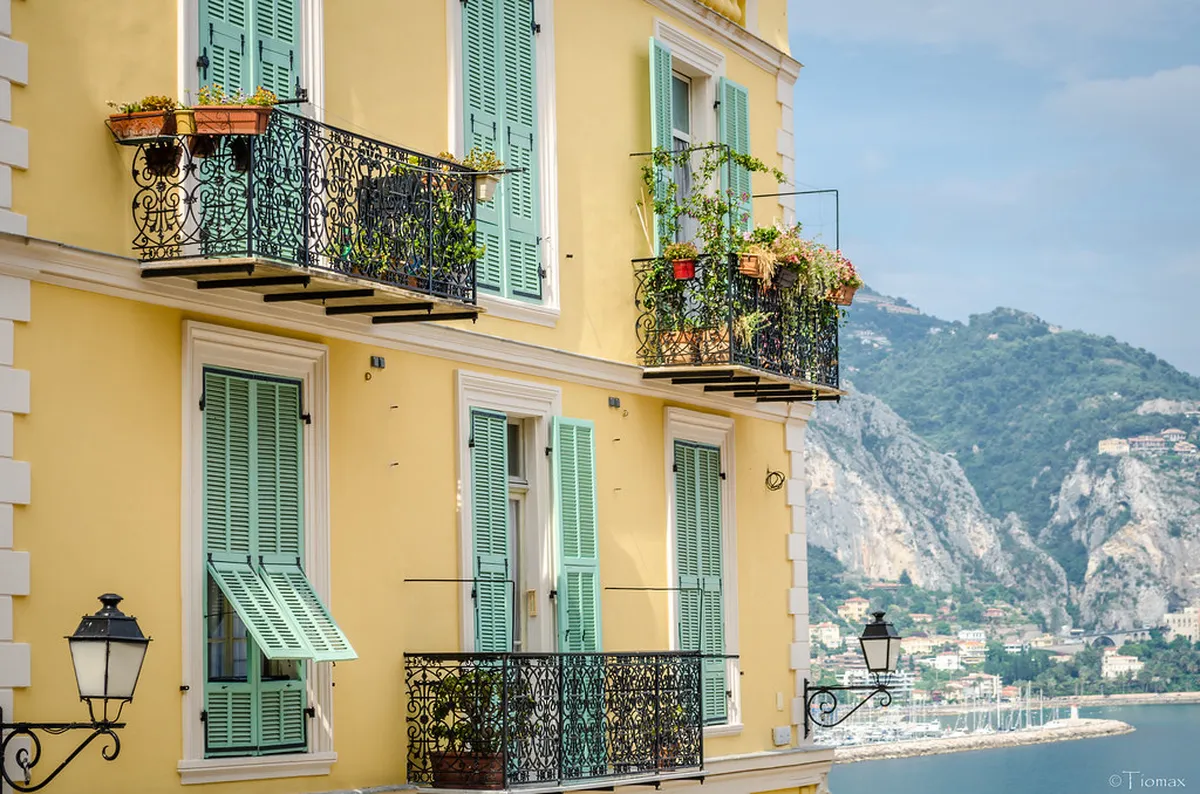
Many private residences adopted an Italianate style. These homes feature brightly painted stucco and decorative ironwork. Shutters in shades of blue and green add to their charm. They create a distinctly Mediterranean atmosphere.
Walking through Menton reveals these beautiful details everywhere. Seek out hidden courtyards and elegant balconies. The harmonious blend of colors is truly captivating. This architectural era remains a highlight of Menton's past.
The Belle Époque Splendor of Menton's Villas
The late 19th and early 20th centuries marked Menton's Belle Époque. Wealthy Europeans flocked here for its mild climate. They commissioned magnificent hotels and opulent villas. This era profoundly influenced Menton architectural evolution.
Grand hotels like The Riviera Palace still stand today. These buildings boast impressive facades and spacious interiors. They often feature elaborate frescoes and elegant ballrooms. They catered to an elite, international clientele.
Many private villas showcased diverse architectural styles. Victorian, Neo-Gothic, and Art Nouveau influences appeared. These properties often had expansive gardens and sea views. They reflected the period's extravagance and taste.
You can discover these historic gems by strolling along the promenade. Many are now apartments or government offices. Consider taking a historic Menton architecture tour. Such tours offer deeper insights into their stories.
Modernist Touches and Cocteau's Unique Legacy
The mid-20th century brought new architectural perspectives to Menton. Post-war reconstruction introduced more functional designs. Architects began exploring modernist principles. This shift marked another phase in Menton's architectural evolution.
A notable modernist landmark is the Jean Cocteau Museum. Built in 1968, it honors the famed French artist. This museum showcases his works and influence. It represents a bold departure from traditional Menton styles.
The museum's striking concrete and glass structure stands out. Architect Jean-Claude Richard designed its unique form. Its dramatic arches and geometric shapes are captivating. This building became a modern icon for the city.
Discover the Jean Cocteau Museum's unique design during your visit. Its contemporary style complements the historic surroundings. It proves Menton's ability to embrace innovation. This landmark is a must-see for art and architecture lovers.
Contemporary Menton and Sustainable Designs
Today, Menton continues its architectural evolution. New developments integrate modern living with historic charm. Architects often incorporate sustainable features. They aim to blend new buildings seamlessly into the landscape.
You will find contemporary apartment complexes and public spaces. These projects reflect current design trends. They prioritize functionality, light, and open layouts. Menton strives for a balance between tradition and progress.
Urban planning in 2025 focuses on pedestrian-friendly areas. Green spaces are also being emphasized. These efforts enhance the city's livability. They ensure Menton remains beautiful and functional for residents and visitors.
The city's commitment to preserving its heritage is strong. New constructions respect the existing urban fabric. This mindful approach ensures Menton's character endures. It creates a harmonious environment for all.
Frequently Asked Questions
What are the primary architectural styles found in Menton?
Menton showcases a mix of architectural styles. You will find Romanesque, Medieval, and Baroque influences. Belle Époque villas are also very prominent. Modernist and contemporary designs complete the picture.
Where can I best see Menton's historic architecture?
The Old Town is perfect for exploring medieval and Baroque buildings. The Promenade du Soleil features stunning Belle Époque hotels. Visit the Jean Cocteau Museum for modern architectural examples. Many hidden architectural gems in Menton await discovery.
How did Menton's geography influence its building styles?
Menton's hilly terrain led to terraced construction. Its coastal location inspired use of local stone and vibrant colors. Proximity to Italy brought strong Ligurian and Baroque influences. The sunny climate favored outdoor living spaces.
Are there any famous architects associated with Menton?
Many Belle Époque architects left their mark in Menton. However, Jean-Claude Richard is known for the Cocteau Museum. Several local architects contributed to the city's unique charm. Explore famous Menton architects and works to learn more.
Menton's architectural evolution offers a compelling story. From ancient settlements to contemporary structures, its history is palpable. Each era left an indelible mark on its buildings. The city's unique charm comes from this rich blend.
Visiting Menton in 2025 means stepping into a living museum. Explore its diverse styles and historical layers firsthand. Discover the hidden beauty around every corner. This guide helps you appreciate Menton's stunning heritage.
Key Takeaways
- Menton's architecture blends Roman, Medieval, Baroque, Belle Époque, and Modern styles.
- The Old Town and Promenade are key areas to experience different historical periods.
- The Jean Cocteau Museum represents a significant modernist architectural landmark.
- Look for vibrant Italianate facades and grand Belle Époque villas during your visit.