
Centre Pompidou Metz Architecture Facts: 2025 Guide
Discover amazing Centre Pompidou Metz architecture facts. Learn about the iconic roof and plan your 2025 visit to see this Metz modern architecture masterpiece.
On this page
The Centre Pompidou Metz stands today as a stunning beacon of bold modern design in northeastern France. Understanding the Centre Pompidou Metz architecture facts helps travelers appreciate this incredible landmark during their 2025 visit. This museum is a major highlight within the growing scene of Metz modern architecture for international visitors. It serves as the very first decentralization project of a major French national museum institution in history.
The building creates a bridge between the historic past of Metz and its bright future of modern innovation. Shigeru Ban won the international competition in 2003 with this incredibly unique and highly sustainable design proposal. His vision focused on creating a space that feels open and welcoming to the entire local community. This museum has successfully attracted millions of art lovers to the Lorraine region since its grand opening.
Visitors will immediately notice how the building stands out against the traditional skyline of this historic French city. It represents a bold step forward in contemporary museum design and structural engineering on a global scale. The architecture reflects the museum's mission to make modern art accessible to a wider and more diverse audience. You will find that every corner of this structure tells a fascinating story of creativity and technical skill.
The Visionary Concept of Shigeru Ban
The Centre Pompidou Metz officially opened its doors to the public in May 2010 to great international acclaim. This project marked a significant shift for cultural development in France outside the busy capital city of Paris. It remains a centerpiece of the local effort to promote modern art throughout the diverse Lorraine region today. The museum successfully bridges the gap between traditional architectural styles and the needs of contemporary artistic expression.
Architect Shigeru Ban is well known for his innovative use of sustainable materials like cardboard and sturdy wood. His work often explores the relationship between interior spaces and the natural world surrounding the building itself. The Centre Pompidou Metz represents one of his most ambitious and successful large-scale projects in all of Europe. He worked closely with Jean de Gastines to bring this complex and beautiful vision to life in Metz.
The museum serves as a key branch of the famous national modern art museum located in central Paris. It focuses on showcasing rotating exhibitions rather than hosting a single permanent collection of traditional art pieces. This dynamic approach ensures that visitors always find something new and exciting to explore during their frequent visits. The building was designed to be as flexible as the diverse artworks that it hosts inside its galleries.
Exploring this Metz modern architecture marvels guide reveals how this museum has completely transformed the city's identity. Local residents and international tourists alike admire the way the building integrates with the surrounding urban landscape. It stands as a testament to the power of architecture to inspire and revitalize an entire city community. The design encourages people to interact with art in a much more informal and relaxed environment.
Technical Secrets of the Wooden Roof Structure
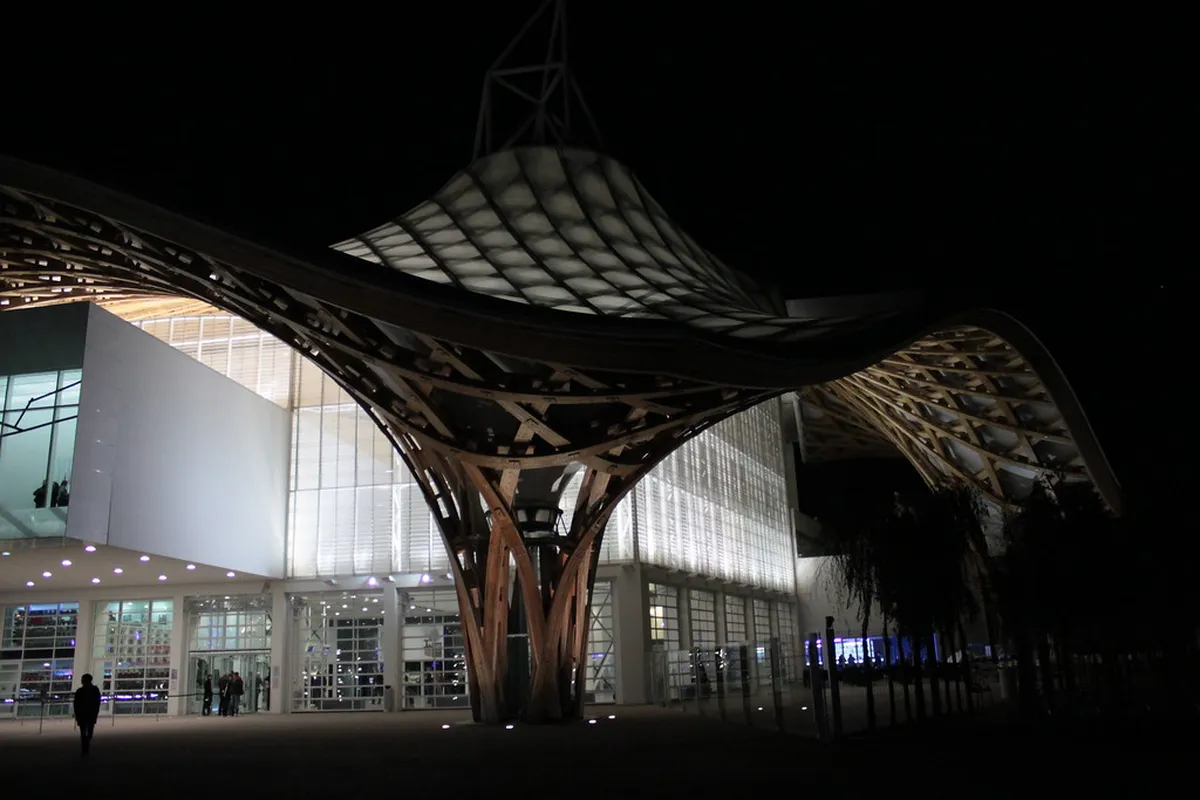
The roof structure remains the most famous feature of this contemporary art museum in the city of Metz. Architects Shigeru Ban and Jean de Gastines drew inspiration from a traditional Chinese hat they found in Paris. This hexagonal wooden mesh covers the entire building like a large, protective white veil from the sky. It covers a vast area of eight thousand square meters without any intermediate support in the main hall.
The architects chose to use spruce and larch wood for the main structural elements of the large roof. This complex framework consists of approximately eighteen kilometers of glued laminated timber joints throughout the entire structure. Every wooden piece was unique and required high-tech digital modeling to ensure a perfect fit during the construction. The result is a stunning lattice pattern that resembles the intricate weaving of a traditional bamboo hat.
A special waterproof membrane made of fiberglass and Teflon covers the entire wooden structure for protection and light. This translucent material allows natural light to filter into the museum during the bright daylight hours of 2025. It also protects the delicate wood from rain and snow while maintaining a light and airy feeling inside. The membrane allows the building to glow beautifully like a soft paper lantern during the dark evening hours.
The central spire reaches seventy-seven meters high as a tribute to the original Paris museum opening year. This height makes the building a prominent landmark that you can see from many different parts of Metz. The spire also serves a functional purpose by helping to support the weight of the massive wooden roof. It creates a striking silhouette against the sky that has become iconic for the city of Metz today.
Exploring the Three Gallery Viewing Tubes
The interior layout of the museum features three large rectangular galleries that seem to float in the air. These tubes are cantilevered and stacked on top of each other at different angles throughout the building. Each gallery measures eighty meters in length and fifteen meters in width to provide ample space for art. They provide large, column-free spaces that are perfect for displaying massive contemporary installations and various art pieces.
One of the most impressive Centre Pompidou Metz architecture facts is the orientation of these three gallery tubes. Each tube points toward a specific historic or cultural landmark located within the city of Metz itself. The first gallery offers a direct and stunning view of the magnificent Saint-Etienne Cathedral in the city center. This clever design choice connects the modern museum directly to the rich history of the surrounding urban area.
The second gallery points toward the historic train station which is famous for its unique German neo-Romanesque architecture. This view highlights the contrast between the old city and the new developments in the modern Amphitheatre district. The third gallery looks out over the Seille Park and the modern sports palace located nearby the museum. These carefully planned vistas allow visitors to feel connected to the city while they explore the indoor exhibitions.
At the end of each tube, visitors will find massive glass windows that frame these specific city views. These windows are five meters high and ten meters wide to provide a cinematic perspective of the landscape. Standing at the edge of these galleries feels like standing on a balcony overlooking the beautiful city of Metz. It is one of the best spots for photography that you will find in the entire region.
Materials and Sustainable Design Features
The construction of the Centre Pompidou Metz utilized a variety of modern materials to ensure durability and beauty. Beyond the wooden roof, the building uses white concrete and steel for the primary support of the structure. The white color of the concrete reflects the museum's commitment to light and a sense of visual purity. These materials work together to create a building that feels both incredibly strong and surprisingly light at once.
Sustainability played a major role in the design process for this landmark building in the heart of France. The translucent roof reduces the need for artificial lighting during the day by utilizing natural sunlight for brightness. This helps to lower energy consumption and creates a more pleasant environment for visitors and museum staff alike. The natural ventilation systems also help to regulate the temperature inside the large open spaces of the museum.
The architects prioritized the use of wood because it is a renewable resource with a low carbon footprint. Using local wood species like larch and spruce also helped to support regional industries during the construction phase. This focus on environmental responsibility has made the museum a model for sustainable cultural buildings around the world. It proves that high-level architectural design can also be mindful of its impact on the natural planet.
The building's floor is made of polished concrete which is both stylish and very easy to maintain over time. This simple material choice allows the artwork and the complex roof structure to remain the primary visual focus. Large metal stairs and elevators provide easy access to all levels of the museum for every visitor. The entire interior space feels industrial yet warm because of the clever combination of wood and concrete.
The Impact on the Amphitheatre District
The arrival of the museum has completely revitalized the Amphitheatre district located just behind the main train station. This area was once a vacant railway yard but has now become a hub for modern urban living. You can follow a self-guided architecture tour Metz to see how the district has grown recently. New residential buildings, offices, and hotels have emerged to surround the museum and create a vibrant neighborhood.
One notable neighbor is the Maison Heler hotel which was designed by the famous French designer Philippe Starck. This hotel features a traditional house sitting on top of a modern glass tower just like a surrealist painting. The contrast between these two buildings creates a fascinating dialogue about modern design and local architectural heritage. It makes the area one of the most interesting places for architecture lovers to visit in 2025.
The museum sits on a large public plaza that is perfect for outdoor events and artistic installations throughout the year. This open space allows the building to breathe and provides a transition between the museum and the city. It has become a popular gathering spot for local students, families, and tourists on sunny weekend afternoons. The plaza serves as an outdoor gallery that extends the museum's reach into the daily life of Metz.
Walking through this district shows the successful integration of nature with modern urban planning and contemporary building designs. The nearby Seille Park provides green space and walking paths that complement the bold shapes of the museum. This balance of nature and architecture is a key feature of modern urban development in this part of France. The district continues to evolve with new projects that aim to enhance the quality of life for residents.
Practical Tips for Your 2025 Visit
Planning your trip to see these Centre Pompidou Metz architecture facts is easy with some basic practical information. The museum is located at 1 Parvis des Droits-de-l'Homme and is just a short walk from the station. For 2025, standard adult tickets usually cost between 12 and 14 Euros depending on the current special exhibitions. It is highly recommended to book your tickets online in advance to avoid waiting in long entrance lines.
The museum is typically open every day of the week except for Tuesdays and certain major national holidays. Opening hours generally run from 10:00 AM to 6:00 PM during the week and slightly later on weekends. You should allow at least three hours to fully explore the exhibitions and the incredible building itself comfortably. Be sure to visit the rooftop terrace for some of the most unique photo opportunities in the city.
There is an excellent restaurant and a café located inside the museum for visitors who need a break. You can enjoy a meal or a coffee while sitting directly under the magnificent wooden structure of the roof. The museum shop offers a wide selection of books about architecture and design for those who want more. It is a great place to pick up a unique souvenir related to the building's fascinating history.
If you have extra time, consider taking a guided tour to learn even more specific details about the construction. These tours are often available in multiple languages and provide deep insights into the engineering challenges of the project. Seeing the joints of the wooden roof up close is an experience that every architecture enthusiast will cherish. The museum is fully accessible for people with reduced mobility to ensure everyone can enjoy the space.
Frequently Asked Questions
What is the most famous architectural feature of Centre Pompidou Metz?
The most famous feature is the massive wooden roof shaped like a traditional Chinese hat. It consists of a complex hexagonal mesh made from spruce and larch wood. This roof covers eight thousand square meters and is protected by a white translucent membrane.
Are there other contemporary buildings to see in Metz near the museum?
Yes, the Amphitheatre district features many contemporary buildings to see Metz travelers should not miss. These include the Maison Heler hotel by Philippe Starck and the modern Congress Center. The area is a prime example of successful modern urban renewal in France.
How high is the spire of the Centre Pompidou Metz?
The central spire of the museum reaches a height of seventy-seven meters exactly. This height is a symbolic reference to the year 1977 when the original Centre Pompidou opened in Paris. It serves as a major landmark on the Metz skyline that is visible from afar.
Who designed the Centre Pompidou Metz building?
The building was designed by the Japanese architect Shigeru Ban in collaboration with the French architect Jean de Gastines. They won an international competition in 2003 with their innovative and sustainable design. Their work is celebrated for its unique use of materials and connection to the city.
The Centre Pompidou Metz is much more than just a place to look at modern art pieces. It is a masterpiece of engineering and a symbol of the cultural rebirth of this historic French city. Visiting this landmark in 2025 allows you to experience the perfect blend of innovation and history in person. We hope you enjoy exploring the unique galleries and the stunning wooden roof during your next trip. Plan your visit today to witness one of the most significant buildings of the twenty-first century.
Key Takeaways
- The roof was inspired by a Chinese hat and uses 18km of wood.
- Three cantilevered galleries offer specific views of historic Metz landmarks.
- The 77-meter spire honors the original 1977 opening of the Paris museum.
- The building uses sustainable materials like local wood and a translucent membrane.
Related reads: streetartly.com, street art and architecture in metz, metz street art tour.