
Identify Metz Building Architectural Periods: 2025 Guide
Learn to identify Metz building architectural periods with our expert 2025 guide. Discover Gothic, Imperial, and modern styles in France today!
On this page
Metz is a stunning French city that showcases many centuries of diverse European building styles for curious modern travelers. You can easily identify Metz building architectural periods by observing the unique materials and shapes found on every corner. This guide will help you spot these historical layers during your next visit to this beautiful Grand Est region. Exploring the streets in 2025 allows you to see how different cultures shaped this unique and vibrant urban landscape.
Spotting Medieval and Gothic Roots in Old Metz
The historic center of Metz features many medieval structures that define the oldest parts of this ancient riverside city. Look for the famous Saint-Stephen Cathedral first because this building is a masterpiece of the local French Gothic design. This massive structure uses local yellow limestone called Jaumont stone which gives the walls a very warm golden glow. You should notice the sharp pointed arches and the tall flying buttresses that support the weight of the stone. Entry to the cathedral is free for all visitors and it remains open daily from 8:00 AM until 7:00 PM.
Notice the massive stained glass windows inside which cover nearly 6,500 square meters of the walls in total area. These colorful glass panels are some of the largest in the world and they create a truly magical interior atmosphere. You can find several medieval houses near the Place Saint-Louis which still show their original stone arches and windows. These structures date back to the 13th and 14th centuries when the city was a powerful independent merchant republic. Many of these ancient buildings now host charming cafes where you can enjoy a drink while admiring the views.
Walk through the narrow streets to find hidden courtyards that reveal timber-framed sections from the later Middle Ages period. These wooden beams were often hidden behind plaster but many are now exposed for the public to enjoy and photograph. You will see that the ground floors are often built from solid stone to protect the house from rising damp. Identifying these early features is the first step in your journey to identify Metz building architectural periods effectively today. Keep your eyes open for small stone carvings above the doorways that indicate the trade of the original owner.
Identifying French Classical Influence in Metz
Moving into the 18th century you will notice a significant shift toward the grand and symmetrical French Classical style. You can find these elegant styles near the Place d'Armes which serves as the formal heart of the city center. This square shows the beauty of Classical design and it perfectly reflects the era of the French King Louis XV. The buildings here display balanced lines and very elegant decorations that were meant to impress every visitor to the city. These structures often feature steep and dark grey slate roofs that provide a sharp contrast with the yellow walls.
You should visit the Opera House nearby because it is one of the oldest working theaters in all of France. You can view the stunning exterior at any time but check the official website for the latest 2025 performance schedules. The facade features tall columns and classical statues that represent the high artistic standards of the royal French architects. This specific area helps you understand Metz urban development history clearly as you walk between the large open squares. The transition from the narrow medieval streets to these wide open spaces is quite striking for any modern urban explorer.
Take some time to sit at a local cafe and observe the intricate carvings above the tall rectangular windows. These decorations often include floral motifs or mythical faces that were very popular during the height of the Enlightenment era. The architects focused on harmony and proportion to create a sense of order and prestige within the city's public spaces. You will notice that many of these buildings use the same yellow Jaumont stone to maintain a consistent color. This consistency creates a very beautiful and unified appearance for the entire historic district during the golden hour light.
Recognizing the German Imperial Architecture Style
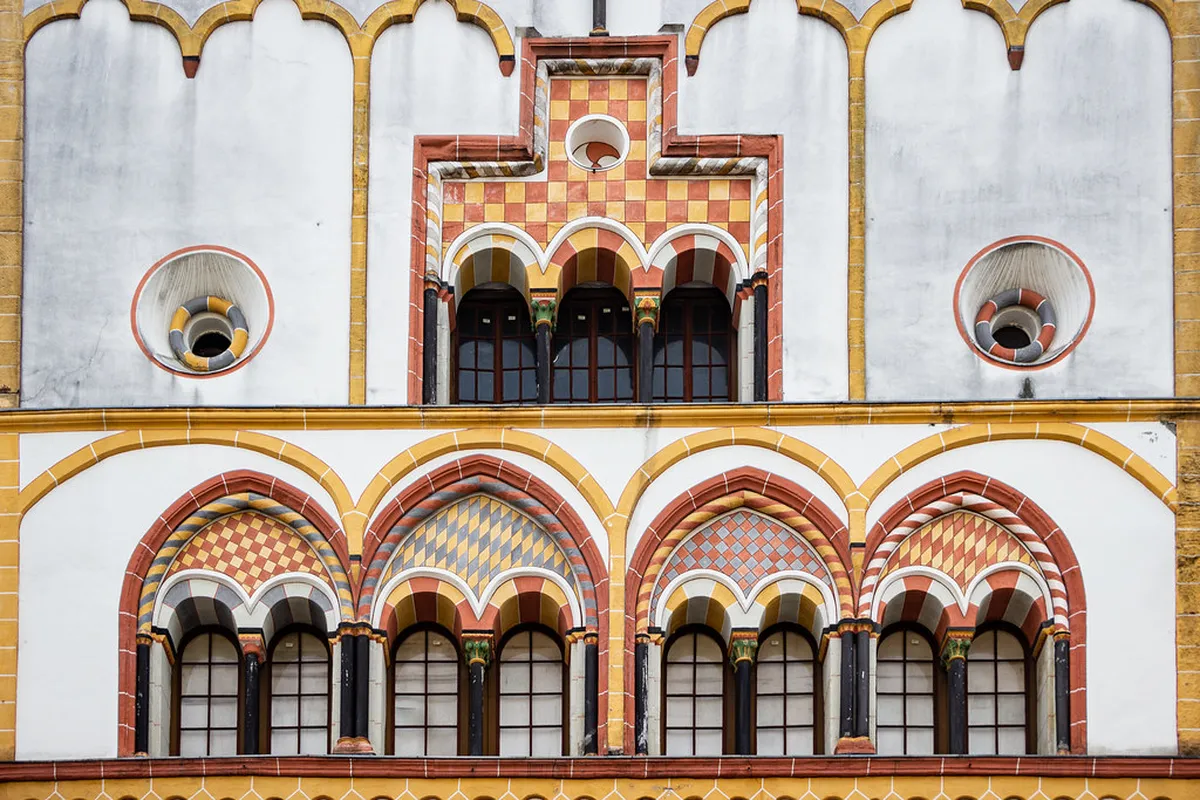
The German Imperial period changed the city landscape significantly between the years of 1871 and 1918 during the annexation. German designers wanted to show their political power through architecture and they created the famous and grand Quartier Impérial district. You can spot this style easily by looking for grey or pink sandstone instead of the traditional yellow limestone. These buildings often look like fortresses or palaces and they feature heavy towers and very large rounded stone arches. This district is essential for anyone using a Metz architectural styles guide to explore the city.
The Metz Railway Station is the best example of this style because it was built specifically for the Emperor Wilhelm II. The station building is over 300 meters long and it features many carvings of knights and historical German symbols. You can explore the grand entrance halls for free and see the private waiting rooms built for the royal family. The architecture is known as Neo-Romanesque and it aims to connect the city with the ancient Holy Roman Empire. This massive building remains one of the most impressive railway stations in Europe and it still serves travelers daily.
Many buildings in this district are grand private villas and they sit along the wide and leafy Avenue Foch. You can enjoy the view from the sidewalk and see the mix of different styles like Neo-Gothic and Neo-Renaissance. These houses often have large gardens and decorative iron gates that show the wealth of the residents from that era. Exploring this neighborhood feels like walking through a different city because the materials and the scale are so very different. It is a perfect place to learn how to identify Metz building architectural periods through visual stone contrasts.
Navigating Modern and Contemporary Styles in Metz
Modern times brought bold new shapes and innovative materials to the southern part of the city near the station. The most famous modern site is the Centre Pompidou-Metz which looks like a giant white hat from a distance. This building uses a complex wooden roof structure and a white fabric cover that lets in soft natural light. It opened in 2010 to house contemporary art and it stands as a symbol of the city's modern growth. Tickets for the museum usually cost around 12 Euros in 2025 and you should check for online booking discounts.
This new district shows the city's future because you will see many glass facades and tall steel structures everywhere. These designs contrast sharply with the older stone districts and they provide a very great place for modern urban photography. The architects focused on light and open spaces to create a welcoming environment for all the local museum visitors. You can find several new residential buildings that use modular designs and sustainable materials for a very green future. This area represents the latest chapter in the long story of the city's unique and evolving physical urban form.
You can also find several examples of late 20th-century architecture if you walk toward the Saint-Thiebault square near the center. These buildings use concrete and large windows to create functional spaces for businesses and for the local city residents. While they are different from the stone palaces they still tell an important part of the modern French history. Look for how these new structures integrate with the older streets to see the clever work of the urban planners. This mix of old and new makes the city a very exciting place for any student of European design.
Practical Tips for an Architectural Walk in 2025
Finding Metz Art Nouveau buildings is another fun task for visitors who enjoy looking for small and intricate details. Look for curved lines and floral patterns that often hide on the corners of the residential streets in the city. You must look up at the balconies and the window frames to see the best parts of these decorative structures. Many of these buildings were constructed around 1900 and they show the influence of the nature-inspired artistic movements. They add a touch of whimsy and elegance to the streets and they are very easy to miss otherwise.
You should start your architectural walk in the early morning when the sun hits the yellow stone buildings most beautifully. Most of the famous architectural sites are within walking distance and you can reach them within a few short minutes. Wear comfortable shoes because the historic streets are often made of uneven cobblestones that can be hard on feet. You can use a self-guided architecture tour to make sure you do not miss any of the major landmarks. Maps are available at the main tourism office which is located right next to the grand cathedral building.
Bring a camera with a good zoom lens so you can capture the details that are high above the ground. You will find many hidden statues and gargoyles on the corners of the buildings that tell stories of past residents. These small details are what make the process to identify Metz building architectural periods so rewarding for the traveler. Take breaks in the city parks to rest and look at the skyline from a much wider and better perspective. The city is very safe and welcoming so you can explore the different neighborhoods at your own comfortable pace.
Frequently Asked Questions
What is the primary material used in historic Metz buildings?
Most historic buildings in the city center use a local yellow limestone called Jaumont stone for their construction. This stone gives the city a unique golden glow and it was used for the cathedral and palaces. In contrast the German Imperial buildings often use grey or pink sandstone from the nearby Vosges mountains region.
Can I visit the Metz Railway Station for free in 2025?
Yes you can walk through the main halls of the Metz Railway Station without buying a ticket for a train. It is a public building and a working transport hub that is open to everyone throughout the entire day. You can admire the Neo-Romanesque architecture and the decorative carvings while you explore the grand interior spaces.
How long does it take to see the major architectural sites?
You should plan for at least one full day to see the main districts and the most important buildings. This allows you enough time to walk between the medieval center and the Imperial quarter at a relaxed pace. Many visitors prefer to spend two days so they can also visit the modern art museums and parks.
Identifying the different building periods in Metz is a wonderful way to connect with the deep history of France. From the golden Gothic cathedral to the grey Imperial station every stone tells a story of the city's past. We hope this guide helps you enjoy your architectural journey through these beautiful and historic streets in 2025. Be sure to book your museum tickets early and bring your camera to capture all the stunning city views.
Key Takeaways
- Look for yellow Jaumont stone to identify traditional French and medieval structures in the center.
- Search for grey sandstone and rounded arches to find the German Imperial buildings near the station.
- Visit the Centre Pompidou-Metz to see the best example of contemporary and modern architectural design today.
Related reads: streetartly.com, street art and architecture in metz, different architectural styles metz france.