
Famous Nancy Art Nouveau Houses: A 2025 Guide
Explore the most famous Nancy Art Nouveau houses in France with our 2025 guide. Discover unique architecture and plan your next cultural tour today.
On this page
Nancy stands as a global center for the revolutionary École de Nancy movement in France. This beautiful city showcases several famous Nancy Art Nouveau houses that define early twentieth-century design. Visitors flock here to witness the perfect blend of organic forms and modern construction methods. These residential masterpieces remain essential stops for any architecture enthusiast traveling through Europe in 2025.
The movement flourished here because of local artists who drew deep inspiration from the natural world. You will see intricate floral patterns and flowing lines integrated into every stone and window frame. Planning a visit allows you to step back into a golden age of French artistic expression. Discover more about this heritage through our Nancy Art Nouveau historical overview.
The Iconic Villa Majorelle Masterpiece
Villa Majorelle remains the most celebrated of the famous Nancy Art Nouveau houses in the entire region. Architect Henri Sauvage designed this stunning residence for the furniture designer Louis Majorelle in 1902. It was the first house in Nancy to be built entirely in the new style. The building features an incredible mix of stone, brick, and decorative ironwork elements.
The exterior showcases large, curved windows that allow natural light to fill the spacious interior rooms. You can see the famous 'monnaie-du-pape' plant motif repeated across the various metal balconies and railings. This specific botanical theme serves as a signature element for the Majorelle family and their work. Most visitors start their architectural journey here to understand the core principles of the movement.
Inside the villa, the original furniture and woodwork have been meticulously restored for the 2025 season. You will find grand fireplaces and ceiling decorations that reflect the high status of the owner. The grand staircase serves as a focal point, featuring sweeping wooden curves and delicate floral carvings. Entry tickets cost approximately 6 euros for adults and should be booked in advance online.
The house is located at 1 rue Louis-Majorelle, which is a short walk from the train station. Guided tours are available in multiple languages to provide deeper insights into the home's history. You can spend about ninety minutes exploring the different floors and the small surrounding garden. It remains a primary example of how art and daily life can merge seamlessly together.
Recent preservation efforts have ensured that the vibrant colors and textures of the house remain intact. This villa truly captures the spirit of innovation that defined the city at the turn of the century. Many consider it the crowning jewel of all Art Nouveau buildings currently standing in Nancy.
The Artistic Grandeur of Maison Bergeret
Maison Bergeret is another essential destination for anyone interested in the famous Nancy Art Nouveau houses. Built for printer Albert Bergeret in 1904, this house displays an extraordinary level of decorative detail. Architect Lucien Weissenburger collaborated with several famous artists to create this massive and impressive private residence. It represents the wealth and cultural ambition of the Nancy middle class during that era.
The facade of the building features a unique combination of materials including stone and colorful ceramics. You should look closely at the upper floors to see the intricate tiles and floral sculptures. These details highlight the connection between the building industry and the decorative arts in France. The overall structure conveys a sense of movement and energy that is typical of the style.
One of the most famous features of this house is the stained glass created by Jacques Gruber. These windows depict various local plants and landscapes with incredible precision and vibrant glass colors. Sunlight filtering through these masterpieces creates a magical atmosphere within the grand entrance hall. Many historians believe these windows are some of the finest examples of Art Nouveau glasswork.
The house is situated at 24 rue de Lionnois, which is slightly east of the city center. It currently belongs to the University of Lorraine and is used for official university functions. While the interior is not always open to the public, the exterior is worth a visit. Check local listings for special heritage days when the interior rooms might be open.
Walking around the perimeter allows you to appreciate the sheer scale of this historical architectural project. The iron gates and fences are also works of art that deserve your close attention. This site is frequently included in the best Art Nouveau facades tours offered by local guides in Nancy.
Exploring the Unique Villa Les Roches
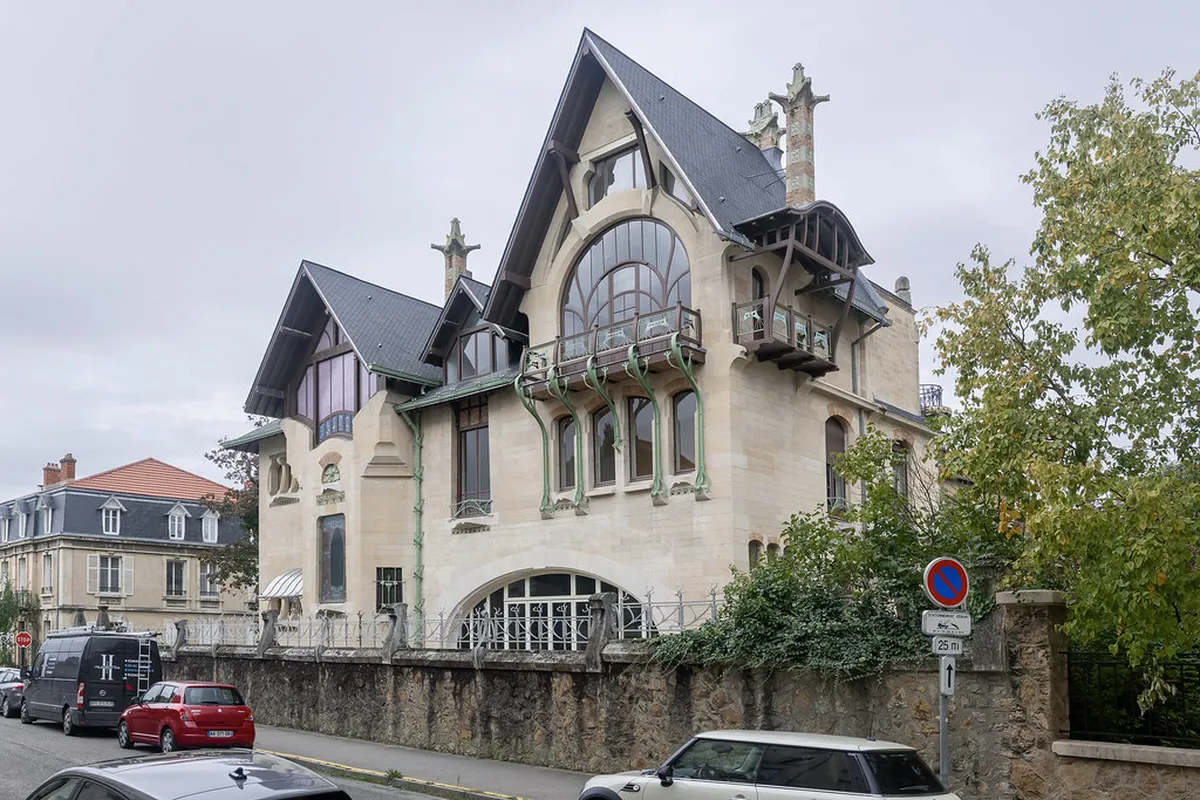
Villa Les Roches demonstrates the creative versatility of the famous Nancy Art Nouveau houses found in Saurupt park. Architect Émile André designed this residence in 1902 as part of a new garden city project. The house is famous for its asymmetrical silhouette and its use of rugged, natural stone materials. It stands out from more traditional homes because of its organic and highly irregular shapes.
The design incorporates elements from the Gothic style while remaining firmly rooted in the modern Art Nouveau movement. You will notice the steep rooflines and the interesting placement of the various balconies and windows. The architect wanted the building to feel like it was growing naturally from the ground. This philosophy was a key part of the local artistic school's vision for modern living.
Located at 2 bis rue des Brice, the villa sits in a quiet and very upscale residential neighborhood. This area was originally intended to be a gated community for the wealthy elite of Nancy. Today, it remains a peaceful place to walk and admire the diverse range of architectural styles. Most of the houses in this district were built between 1902 and 1905.
Visitors often comment on the beautiful carvings that decorate the main entrance and the window frames. The motifs often include local flowers like the thistle, which is the symbol of the city. These small details add a layer of meaning and local pride to the architectural design. It is a perfect spot for photography because of the unique light and shadows.
Taking a stroll through the Saurupt district provides a comprehensive look at the evolution of Nancy design. You can see how different architects interpreted the same set of artistic rules in various ways. Be sure to respect the privacy of the current residents while you enjoy the beautiful street views. This area contains several high-quality Nancy historical buildings that are worth seeing.
Maison Huot and Its Elegant Design
Maison Huot is located along the scenic banks of the canal in the northern part of the city. This house was built in 1903 for a successful timber merchant named Joseph Huot. Architect Émile André was once again responsible for this elegant and highly refined residential design. It features a stunning wooden facade that reflects the professional interests and wealth of the owner.
The use of wood as a primary decorative material makes this house unique among Nancy architectural gems. You can see beautifully carved panels and structural supports that mimic the shapes of tree branches. The craftsmanship is exceptional and shows the skill of the local woodworkers during the 1900s. It remains one of the best-preserved examples of wooden Art Nouveau architecture in France.
The entrance is particularly famous for its curved glass door and its ornate iron hardware details. These elements create a welcoming yet very sophisticated first impression for any visitor to the home. The building's address is 92 quai Claude-le-Lorrain, offering a nice view of the nearby water. This location makes it a pleasant stop during a longer walking tour of the city.
While the interior is private, the exterior provides plenty of visual interest for those who appreciate fine art. You can admire the way the different materials like stone and wood blend together harmoniously. The overall composition is balanced and shows a high level of artistic maturity from the architect. It is a quiet location that is rarely crowded with many tourists.
Many local residents consider this house to be one of the most romantic buildings in the city. The soft colors and the natural materials create a very warm and inviting aesthetic. Adding this to your itinerary allows you to see a different side of the movement's diverse styles. It is a true highlight for anyone interested in the technical side of historical construction.
The Modern Charm of Maison Gaudin
Maison Gaudin represents a more urban and vertical interpretation of the famous Nancy Art Nouveau houses. Architects Georges Biet and Eugène Vallin collaborated on this project for a local entrepreneur in 1902. The house is situated on a relatively narrow street, which forced the designers to be creative. They used height and vertical lines to give the building a sense of grandeur and presence.
The facade is decorated with beautiful ceramic tiles and delicate wrought iron balconies that appear to flow. These metal elements were often made by the famous local ironworker Louis Majorelle in his workshop. The synergy between architects and craftsmen was a defining feature of the Nancy art scene. You can see this collaboration in the perfectly integrated details of the Gaudin residence.
You will find this building at 97 rue Charles III, which is close to the central market. Its central location makes it very easy to visit during a lunch break or shopping trip. The surrounding area is bustling with local life and offers many places to eat and drink. It provides a great contrast to the quieter residential districts like Saurupt or Majorelle.
The building's windows are large and rectangular, which was a modern choice for the early twentieth century. This design allowed for maximum light in a dense urban environment with narrow streets and tall buildings. You can still see the original decorative motifs on the stone surfaces of the lower floors. It is a testament to the durability and quality of the materials used.
Exploring this site gives you a better understanding of how Art Nouveau adapted to different urban contexts. It was not just for large villas but also for stylish townhouses in the city center. This building remains a vital part of the city's living history and architectural legacy. It is a must-see for those who want a complete picture of the movement.
Villa Questa and the Saurupt District
Villa Questa is another remarkable example of the famous Nancy Art Nouveau houses located in the Saurupt district. Built in 1904, this house features a very complex and highly decorative facade with many small details. The architect used a variety of textures and colors to create a visually stimulating and unique exterior. It remains one of the most photographed houses in the entire residential neighborhood of Nancy.
The house features an interesting octagonal tower that provides a grand view of the surrounding park and streets. This architectural feature adds a sense of fantasy and whimsy to the overall design of the home. You can see how the designers were pushing the boundaries of traditional residential architecture at the time. The use of stained glass and ironwork is also very prominent on this specific building.
The address for Villa Questa is 9 rue des Brice, located just a few doors down from other masterpieces. This high concentration of Art Nouveau houses makes the Saurupt district the best place for a walk. You can easily see five or six famous buildings within a two-block radius of this site. It is like an outdoor gallery dedicated to the genius of the École de Nancy.
Many visitors enjoy looking for the small animal and insect motifs hidden in the stone carvings. You might find bees, butterflies, or even small birds integrated into the floral patterns on the walls. These playful elements reflect the deep love for nature that the local artists shared with each other. It makes the architecture feel more accessible and engaging for people of all ages.
The gardens surrounding the villa are also well-maintained and add to the overall beauty of the property. While you cannot enter the private grounds, the view from the sidewalk is excellent for all visitors. This house perfectly summarizes the elegance and the creativity of the early twentieth-century Nancy middle class. It is a fitting end to any comprehensive tour of the city's architectural heritage.
Frequently Asked Questions
Which Nancy Art Nouveau houses can I visit inside in 2025?
In 2025, the Villa Majorelle is the primary house open to the public for interior tours. You can also visit the Musée de l'École de Nancy to see many original rooms. Most other famous houses remain private residences or university buildings with limited access.
Is it free to see the famous Nancy Art Nouveau houses?
Walking through the streets to view the exterior facades of these houses is completely free. You only need to pay for entrance tickets if you plan to enter Villa Majorelle. Prices for the museum and villa are usually under 10 euros for adults.
How long does a walking tour of Nancy's houses take?
A comprehensive walking tour typically takes between three and five hours to complete. This allows time to see the Saurupt district and the central city landmarks. You may want to stop for coffee or lunch at one of the historical cafes.
What is the best way to get around Nancy for an architecture tour?
Walking is the best way to explore the famous Nancy Art Nouveau houses in the center. For houses further out, like the Saurupt district, you can use the efficient local tram system. The city is very pedestrian-friendly and most sites are clearly marked for tourists.
Exploring the famous Nancy Art Nouveau houses offers a unique glimpse into France's artistic past. From the grand Villa Majorelle to the hidden gems of the Saurupt district, the city remains a living museum. These buildings continue to inspire architects and travelers alike with their beauty and innovation in 2025. Plan your trip now to experience the charm and elegance of Nancy's architectural heritage for yourself.
Key Takeaways
- Villa Majorelle is the must-see interior destination for Art Nouveau fans.
- The Saurupt district contains the highest density of famous residential facades.
- Most architectural gems are located within a 20-minute walk from the city center.
- Stained glass by Jacques Gruber is a highlight of many Nancy house interiors.
Related reads: streetartly.com, street art and architecture in nancy, where to find art nouveau nancy.