
Understanding Gothic Architecture Orléans Examples
Discover stunning Gothic architecture Orléans examples in 2025. Explore Sainte-Croix Cathedral and more. Plan your architectural tour today!
On this page
Orléans, France, holds a rich tapestry of historical architecture. Visitors often seek to understand its medieval heritage. This guide focuses on understanding Gothic architecture Orléans examples. We will explore key features and notable structures. Prepare to uncover the city's impressive Gothic legacy this year.
What Defines Gothic Architecture?
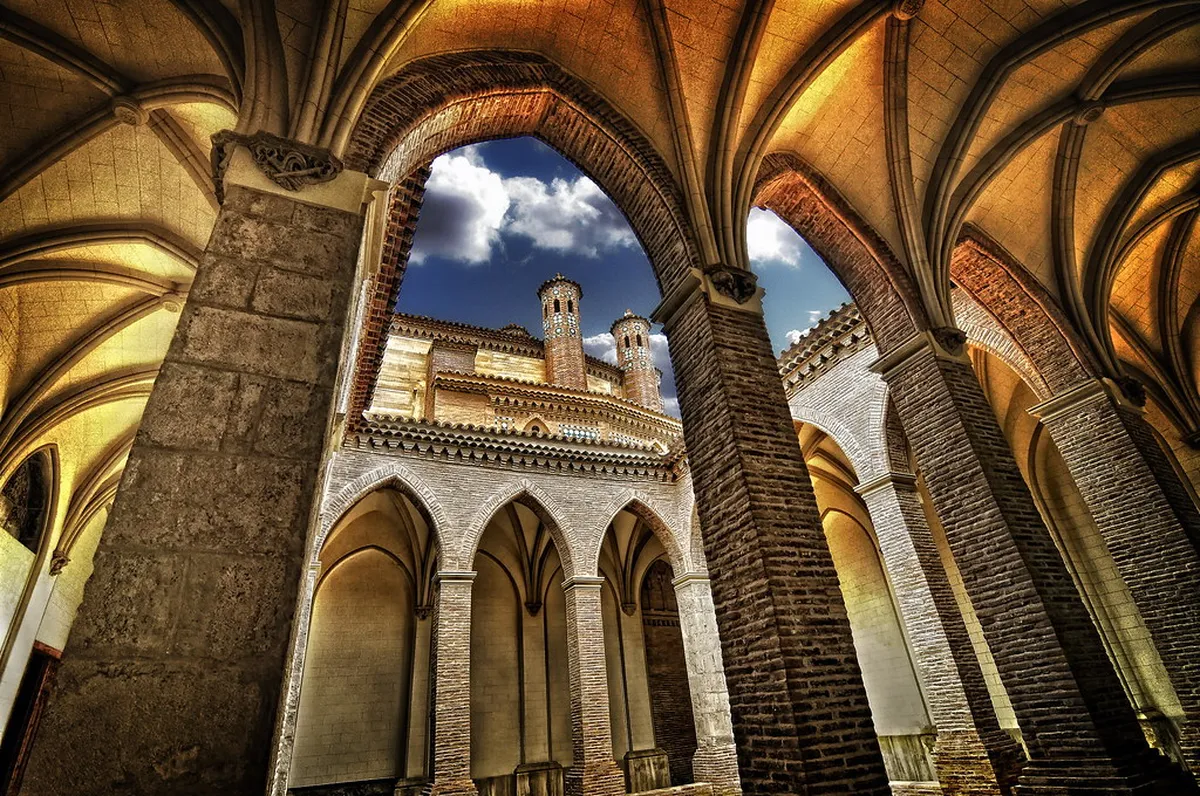
Gothic architecture emerged in the 12th century. It became prominent throughout Europe. This style replaced the earlier Romanesque period. Key characteristics include pointed arches and ribbed vaults. These innovations allowed for taller, grander structures.
Flying buttresses are another defining feature. They provide crucial external support. This allowed for thinner walls and larger windows. Stained glass became a celebrated art form. It filled interiors with vibrant, ethereal light. Understanding Orléans architectural styles reveals this evolution.
Gargoyles also frequently adorn Gothic buildings. These sculpted figures served as decorative waterspouts. They often depicted grotesque or mythical creatures. Their presence adds a fascinating, intricate detail. Look for these elements when exploring Orléans.
The Majestic Sainte-Croix Cathedral
The Cathédrale Sainte-Croix is Orléans' prime Gothic example. Its construction spanned several centuries. This massive structure dominates the city skyline. It showcases many quintessential Gothic elements. Visiting is a must for architecture enthusiasts.
You will see impressive flying buttresses supporting its vast nave. Intricate stained-glass windows tell biblical stories. The sheer scale inspires awe in visitors. Entry is generally free, but donations are welcome. Check current opening hours for 2025 before your visit.
Its façade features multiple pointed arches and ornate carvings. The interior boasts soaring ribbed vaults. These create a sense of immense height. Take time to admire the detailed craftsmanship. The cathedral truly embodies the spirit of Gothic design.
Despite its Gothic origins, the cathedral also reflects later additions. Wars and fires caused significant damage. Reconstructions incorporated various styles. However, its dominant Gothic character remains intact. This makes it a fascinating historical study.
Exploring Other Gothic Influences in Orléans
While the Cathedral stands out, other sites show Gothic traces. Many smaller churches in Orléans feature Gothic elements. These might be less grand but still historically significant. Look for pointed arches or specific window designs. A guide to medieval architecture in Orléans can offer more insights.
Some older residential buildings might retain Gothic foundations. Subsequent renovations often altered their appearance. However, keen observers can spot remaining features. These could include specific window frames or doorways. These subtle clues reveal the city's past.
The city's historic center underwent many changes. It preserves a blend of architectural periods. You might find Gothic remnants alongside Renaissance structures. This layered history makes exploring Orléans unique. Always keep an eye out for these historical details.
Consider joining a guided walking tour for deeper understanding. Local experts can point out hidden gems. They can explain the historical context of each building. This helps in understanding Gothic architecture Orléans examples comprehensively. Tours usually cost around €15-€25 per person.
Planning Your Gothic Architecture Tour
Begin your tour at Cathédrale Sainte-Croix. Allow at least two hours to explore properly. The cathedral is centrally located. It is easily accessible by public transport or on foot. Parking is available nearby for a fee.
After the cathedral, wander through the Old Town. Many streets radiate from the central area. Look for other historic religious buildings. Some may have been parish churches. They often possess subtle Gothic characteristics.
Consider purchasing a detailed city map. This will help you identify key sites. Many maps highlight historic landmarks. Information is also available at the Orléans Tourist Office. They can provide brochures and advice for 2025 visitors.
Wear comfortable shoes for walking. Orléans' cobbled streets add charm but can be uneven. Visiting during spring or autumn offers pleasant weather. These seasons also feature fewer crowds. This allows for a more relaxed exploration of the city's architectural treasures.
Frequently Asked Questions
What is the most famous Gothic building in Orléans?
The Cathédrale Sainte-Croix is undoubtedly the most famous Gothic building. It showcases grand scale and intricate details. It is a must-see for anyone visiting Orléans. Its impressive spires dominate the city's skyline.
Are there guided tours for Orléans' Gothic architecture?
Yes, guided tours are often available in Orléans. They focus on various historical periods. These tours can highlight specific Gothic examples. Check with the Orléans Tourist Office for schedules. Booking ahead for 2025 is recommended.
What era is Gothic architecture from in France?
Gothic architecture flourished in France from the 12th to the 16th centuries. It originated in the Île-de-France region. This period followed the Romanesque style. It predates the Renaissance architectural movement.
Orléans offers a captivating journey into Gothic architecture. The Cathédrale Sainte-Croix stands as a magnificent testament. Exploring its details reveals centuries of history. Plan your visit to uncover these stunning examples. Immerse yourself in Orléans' rich architectural heritage today.
Key Takeaways
- Cathédrale Sainte-Croix is Orléans' premier Gothic masterpiece.
- Look for pointed arches, ribbed vaults, and flying buttresses as key Gothic features.
- Beyond the cathedral, explore the Old Town for subtle Gothic architectural influences.
- Plan your 2025 visit during spring or autumn for ideal weather and fewer crowds.
Related reads: streetartly.com.