
Key Architectural Periods in Paris History: A 2025 Guide
Explore the key architectural periods in Paris history, from Roman to modern. Discover iconic styles and plan your architectural tour for 2025. Uncover Paris's rich heritage!
On this page
Paris boasts a breathtaking tapestry of architectural styles. Walking its streets feels like stepping through time. Understanding the key architectural periods in Paris history enriches your visit. You will appreciate the stories etched in stone around every corner.
From ancient Roman foundations to daring modern designs, Paris showcases centuries of innovation. This guide will help you identify different eras. You can truly connect with the city's built environment. Prepare to see Paris through new eyes in 2025.
Ancient Roman and Early Medieval Roots
Paris, once known as Lutetia, began as a Roman settlement. Evidence of its Roman past still exists today. The city's earliest structures showcase robust Roman engineering. You can explore the ancient Roman baths at the Cluny Museum.
The Thermes de Cluny offer a glimpse into Lutetia's daily life. These impressive ruins date back to the 3rd century. Early Christian basilicas also marked the city's landscape. These foundations laid the groundwork for future Parisian grandeur.
Medieval Paris saw the rise of Romanesque churches. Saint-Germain-des-Prés is a prime example of this style. Its sturdy walls and rounded arches reflect early European design. These buildings predated the more ornate Gothic period. They stand as enduring testaments to the city's long past.
Understanding these initial stages helps us grasp Paris's evolution. It shows how different cultures shaped its urban fabric. For more fascinating details on how the city evolved, check out our guide on Paris architectural history facts. These early periods set the stage for later transformations.
The Splendor of Parisian Gothic Architecture
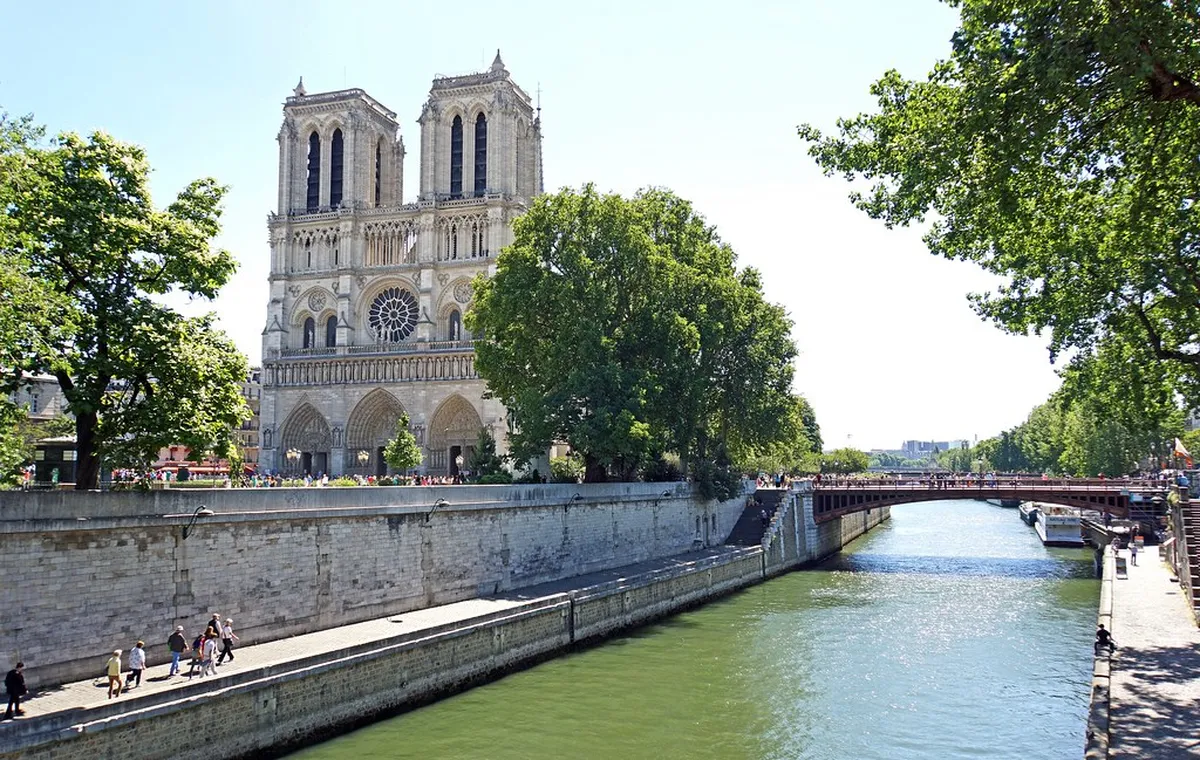
Gothic architecture profoundly shaped Paris from the 12th century. This style brought soaring heights and brilliant light. Cathedrals became expressions of spiritual ambition. Notre Dame Cathedral is the most famous example.
Gothic design elements include pointed arches and ribbed vaults. Flying buttresses allowed for thinner walls and larger windows. Stained glass became an art form, filling interiors with color. Sainte-Chapelle offers an unparalleled display of this artistry.
The construction of these masterpieces spanned centuries. Notre Dame's construction began in 1163 and continued for over 180 years. Its intricate carvings and monumental scale inspire awe. Visitors in 2025 will marvel at its ongoing restoration and beauty.
Gothic architecture transformed Parisian skylines. It moved away from heavy Romanesque forms. This era left an indelible mark on the city's identity. Explore more about these magnificent structures in our Gothic architecture Paris guide.
Classical Grandeur and Renaissance Influences
The Renaissance brought new architectural ideas to Paris. French kings adopted classical Roman and Greek aesthetics. Symmetry, proportion, and order became paramount. This period emerged from the 16th century onwards.
The Louvre Palace evolved significantly during this time. Its elegant facades reflect classical principles. Architects like Pierre Lescot designed its distinct courtyard. The Tuileries Palace, now lost, also showcased Renaissance design.
Later, the Baroque style added dramatic flair and opulence. Versailles Palace exemplifies French Baroque grandeur. While outside Paris, its influence permeated city design. The Luxembourg Palace is a stunning example of this classical resurgence in Paris.
King Henri IV initiated significant urban planning projects. The Place des Vosges, completed in 1612, is a perfect example. It features uniform brick and stone facades. This harmonious square remains a timeless Parisian gem. These designs highlight the rich historic Paris buildings.
Baron Haussmann's Transformative Vision
Baron Haussmann's renovations dramatically reshaped Paris. Emperor Napoleon III commissioned this ambitious project. From 1853 to 1870, the city underwent massive changes. Haussmann created the Paris we largely recognize today.
Wide boulevards replaced narrow medieval streets. Uniform apartment buildings lined these grand avenues. These structures feature distinctive grey stone facades. They often have iron balconies and mansard roofs.
Haussmann also oversaw the creation of new parks and squares. Public works included sewers, water systems, and new bridges. His vision emphasized hygiene, traffic flow, and aesthetics. This massive undertaking modernized the entire city.
The Haussmannian style is synonymous with Parisian elegance. Walking along the Champs-Élysées showcases this grand scale. Most central Parisian buildings exhibit these characteristics. They offer a unified and iconic urban landscape.
Belle Époque, Art Nouveau, and Modern Movements
The late 19th and early 20th centuries brought exciting new styles. The Belle Époque saw the construction of the Eiffel Tower for the 1889 World's Fair. This iron masterpiece became an enduring symbol of Paris. Its innovative structure pushed architectural boundaries.
Art Nouveau then emerged with organic, flowing forms. Hector Guimard's iconic Metro entrances are prime examples. These whimsical designs feature cast iron and glass. They add unique artistic touches to the urban environment. You can still admire many of them today in 2025.
The 20th century introduced Modernism and Postmodernism. The Pompidou Centre, built in 1977, is a striking example. Its inside-out design, with exposed pipes and ducts, was revolutionary. It challenged traditional architectural norms.
Contemporary Paris continues to evolve with bold new designs. La Défense district features sleek skyscrapers and futuristic structures. These developments reflect Paris's ongoing innovation. To see more of these cutting-edge designs, explore our guide to modern architecture in Paris. Paris truly offers a journey through architectural time.
Frequently Asked Questions
How can I easily identify major Paris building styles?
Look for key features to identify Paris building styles. Gothic buildings have pointed arches and stained glass. Haussmannian structures feature uniform stone facades and balconies. Art Nouveau shows organic, flowing ironwork.
Observe the details of each building. Pay attention to materials, window shapes, and ornamentation. Learning these visual cues will greatly enhance your understanding. Our comprehensive guide can help you identify major Paris building styles easily.
What are some lesser-known architectural gems to visit in Paris?
Beyond the famous landmarks, Paris holds many hidden gems. Explore the Passage des Panoramas for early 19th-century covered passages. Visit the Art Nouveau buildings in the 16th arrondissement. The Square Rapp features stunning Art Nouveau facades.
Seek out specific Hector Guimard Metro stations. The Castel Béranger is another incredible Art Nouveau residential building. These less crowded spots offer unique architectural experiences. They provide a different perspective on Parisian design.
Are there any specific tours focusing on Paris's architectural history?
Yes, many guided tours in Paris focus on architecture. Look for tours specializing in specific periods like Gothic or Haussmannian. Walking tours are excellent for detailed exploration. They often provide expert commentary.
Some tours highlight specific neighborhoods known for their styles. Check local tourism offices or online platforms for booking options. Booking in advance for 2025 is always recommended. These tours offer valuable insights.
Paris is a living museum of architectural periods. From Roman ruins to modern marvels, each era tells a story. We hope this guide helps you appreciate its diverse beauty. Explore these incredible styles on your next visit.
Take your time to observe the intricate details. Let the city's buildings speak to you. Enjoy discovering the rich architectural heritage of Paris. Plan your next urban adventure for 2025.
Key Takeaways
- Identify Gothic by pointed arches and stained glass, like Notre Dame.
- Recognize Haussmannian by uniform grey facades and wide boulevards.
- Look for organic, flowing lines for Art Nouveau, especially Metro entrances.