
Unveiling Notre Dame Cathedral Architecture History in Paris
Discover the captivating Notre Dame Cathedral architecture history in Paris. Learn about its Gothic design, construction, and ongoing restoration. Plan your visit to this iconic landmark.
On this page
Notre Dame Cathedral stands as a timeless symbol of Paris. Its magnificent presence graces the Île de la Cité. This iconic landmark boasts rich architecture and a profound history. Exploring Notre Dame Cathedral architecture history in Paris reveals centuries of artistry. The cathedral's story reflects France's cultural journey.
Today, Notre Dame continues its journey of restoration. Visitors can still appreciate its grandeur from afar. Understanding its past makes a future visit even more meaningful. Get ready to dive into this architectural marvel.
A Legacy of Stone: The Early History of Notre Dame
The story of Notre Dame began in 1163. Bishop Maurice de Sully initiated its construction. He envisioned a grand cathedral for Paris. The site was historically sacred, featuring earlier Roman temples.
Construction proceeded over nearly 200 years. Generations of builders and craftsmen contributed their skills. Early Gothic elements quickly took shape. The choir and nave were among the first sections completed.
This ambitious project marked a new era. It showcased medieval engineering and religious devotion. The cathedral slowly rose above the Seine. It became a focal point for the thriving city.
Gothic Grandeur: Unpacking Notre Dame's Architecture in Paris
Notre Dame Cathedral architecture in Paris exemplifies high Gothic style. Its innovative features pushed medieval engineering limits. Key elements include impressive flying buttresses. These external supports allowed for taller, thinner walls. They also enabled larger stained-glass windows.
The three magnificent rose windows are breathtaking. They depict intricate biblical scenes. Light streams through these colorful masterpieces. This creates a dazzling effect inside the cathedral. The Gothic features are truly remarkable.
Inside, soaring rib vaults elevate the ceilings. This structural system distributed weight efficiently. It gave the interior an incredible sense of height. Gargoyles and chimeras adorn the exterior. These sculptures served as decorative water spouts. They also represented wardens against evil spirits.
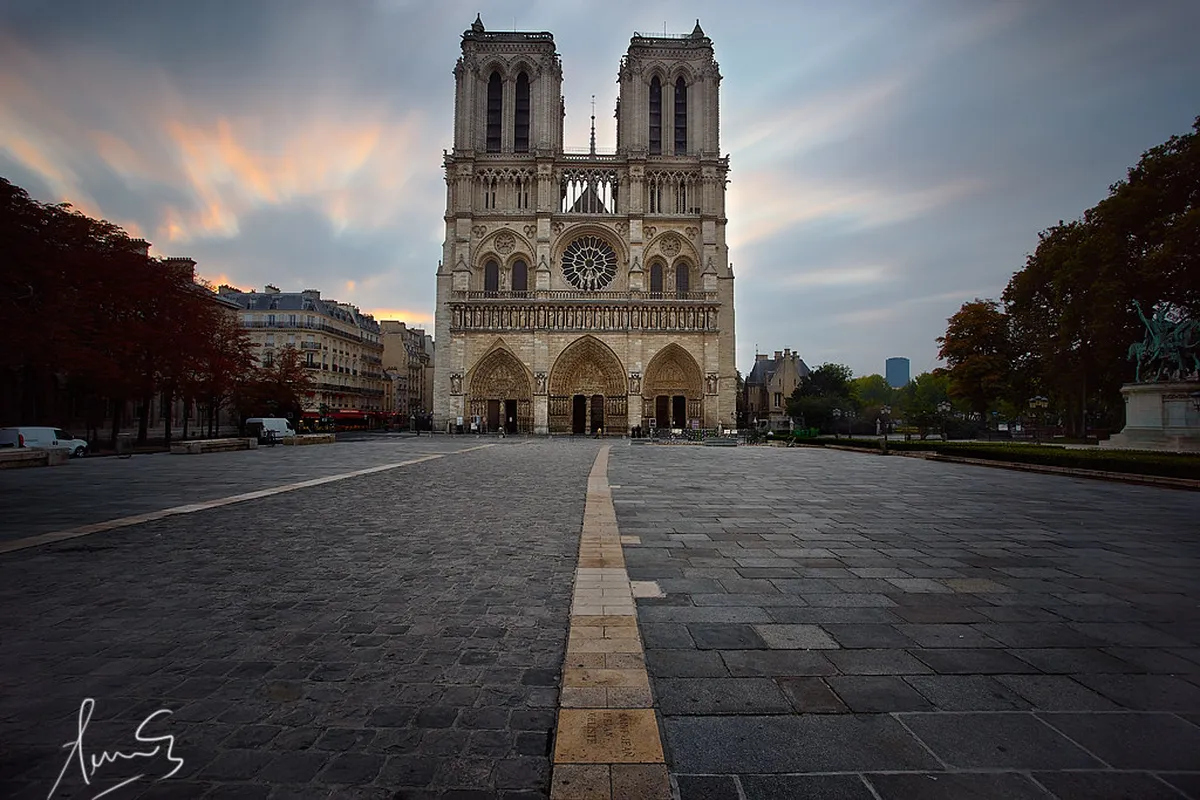
The west façade with its twin towers is iconic. It features three grand portals. Each portal showcases detailed sculptural programs. These narratives told stories for a largely illiterate population. They are a true testament to medieval artistry.
Centuries of Change: Evolution and Adaptations
Over its long history, Notre Dame saw many changes. Additions and modifications occurred through different centuries. Chapels were incorporated into the nave. Artistic styles evolved with the times.
A significant restoration took place in the 19th century. Eugène Viollet-le-Duc led this extensive project. He aimed to restore the cathedral to its medieval glory. His work included reconstructing the spire.
Viollet-le-Duc's vision also introduced new elements. He added the famous chimeras to the gallery. These architectural guardians became iconic Parisian figures. His efforts solidified Notre Dame's Gothic architectural integrity for centuries.
The 2019 Fire and Resilient Restoration Efforts
Tragedy struck Notre Dame in April 2019. A devastating fire ravaged the cathedral. The roof and spire collapsed dramatically. This event shocked people worldwide.
Global support poured in for its restoration. Billions of euros were pledged for reconstruction. Expert teams quickly began stabilization work. They focused on salvaging precious artifacts.
The restoration is an immense undertaking for 2025. It involves traditional craftsmanship and modern technology. The goal is to restore the cathedral faithfully. This includes rebuilding Viollet-le-Duc's iconic spire. Notre Dame remains one of the most significant Parisian landmarks.
Visiting Notre Dame Cathedral in 2025: What to Expect
As of 2025, Notre Dame Cathedral remains under restoration. Visitors cannot enter the interior yet. However, you can still admire its exterior. The surrounding area offers excellent viewpoints.
Walk along the banks of the Seine for clear views. The Square Jean XXIII behind the cathedral provides another perspective. You can observe the ongoing reconstruction efforts. Informational panels share details about the project.
Anticipated reopening is set for late 2024 or early 2025. Always check official Notre Dame websites for updates. Nearby attractions like Sainte-Chapelle are open. You can also explore other Gothic cathedrals in Paris. Planning your visit in advance is always recommended.
Frequently Asked Questions
When did construction begin on Notre Dame Cathedral?
Construction for Notre Dame Cathedral began in 1163. Bishop Maurice de Sully laid the first stone. The ambitious project spanned nearly two centuries. It showcased evolving Gothic architectural styles.
What are the key Gothic architectural features of Notre Dame?
Notre Dame boasts several iconic Gothic features. These include flying buttresses, allowing for soaring heights. Its large rose windows display stunning stained glass. Rib vaults and intricate gargoyles also define its style. The cathedral is a masterpiece of medieval engineering.
Can visitors enter Notre Dame Cathedral in 2025?
As of early 2025, the interior of Notre Dame Cathedral is not yet open to visitors. Restoration work continues diligently. The anticipated reopening is late 2024 or early 2025. Always confirm the latest access information online.
Notre Dame Cathedral remains a powerful symbol. Its profound architecture and extensive history captivate visitors. The ongoing restoration demonstrates incredible resilience. This Parisian icon will continue to inspire. Plan your future visit to witness its renewed splendor.
Key Takeaways
- Notre Dame's construction began in 1163, lasting nearly 200 years.
- Key Gothic features include flying buttresses, rose windows, and rib vaults.
- The 2019 fire led to extensive, ongoing restoration efforts, with anticipated reopening in 2025.