
Strasbourg Historic Architecture Styles Guide 2025
Explore Strasbourg's historic architecture styles in 2025. Discover Gothic, Renaissance, and half-timbered buildings in this unique French city. Plan your visit!
On this page
Strasbourg offers a captivating journey through time. Its rich history unfolds in diverse architectural styles. Exploring the city means witnessing centuries of design. You will discover unique Strasbourg street art and architecture.
From medieval half-timbered houses to grand Baroque palaces, Strasbourg has it all. Each building tells a story of French and German influences. This guide helps you identify key architectural styles. Prepare to be amazed by Strasbourg's beauty in 2025.
Medieval Marvels: Gothic and Romanesque Designs
Strasbourg's medieval period left an indelible mark. Romanesque architecture set the early foundations. Stone churches often featured thick walls. Rounded arches and small windows were common elements.
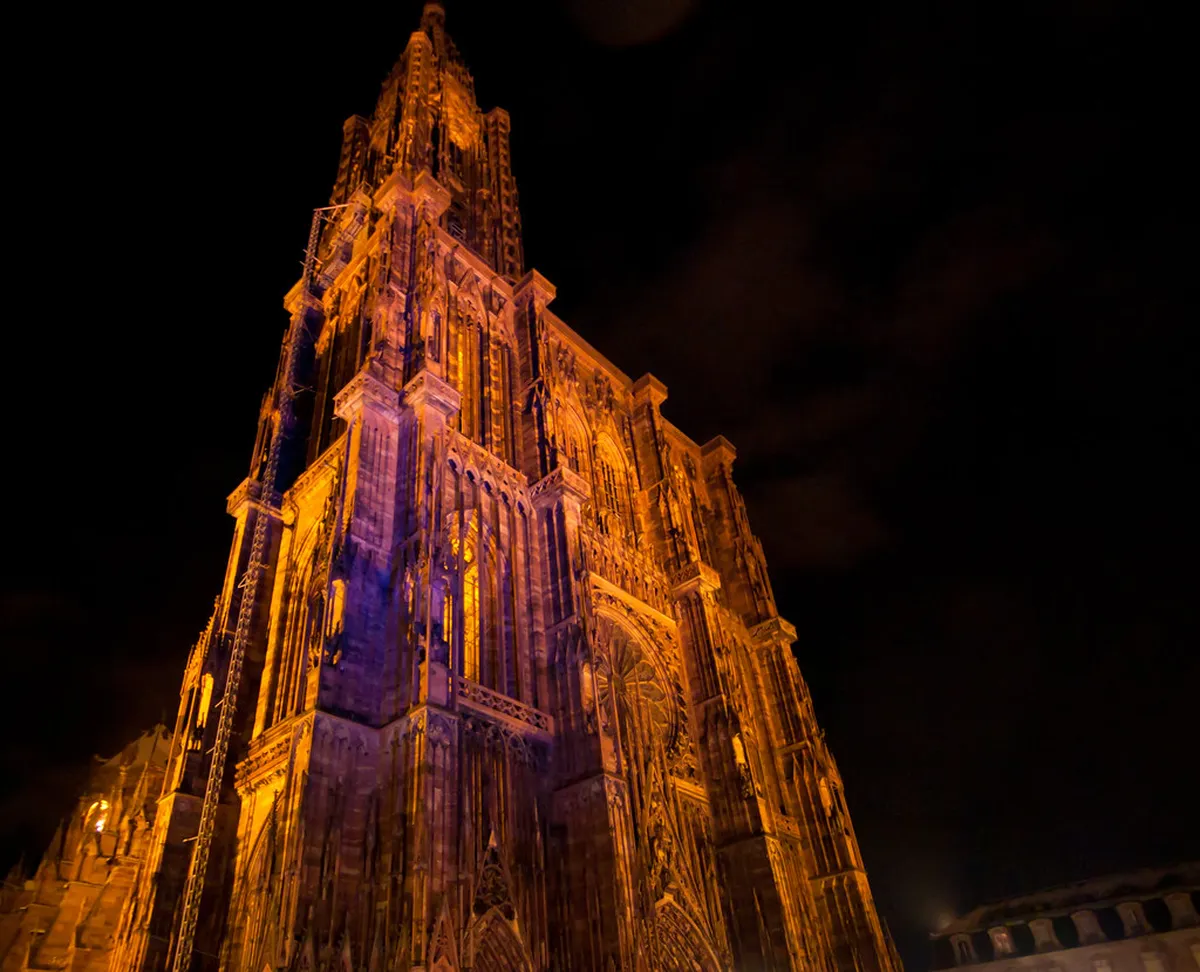
The city's most iconic structure is the Notre-Dame Cathedral. It stands as a magnificent example of Gothic architecture. Construction spanned centuries, beginning in 1176. Its intricate facade showcases incredible craftsmanship.
Visitors can easily identify Gothic features. Look for soaring spires and elaborate rose windows. Exploring Strasbourg's Gothic Cathedral architecture is a must. Gargoyles and detailed sculptures adorn its exterior.
Inside, the vast nave and stained-glass windows inspire awe. The astronomical clock is another marvel. Its complex mechanisms date back to the Renaissance. Entry to the cathedral is free, but some sections may have a small fee.
Charming Half-Timbered Houses: Petite France
The picturesque district of Petite France is world-famous. It features beautiful half-timbered houses. These buildings date back to the 16th and 17th centuries. They represent a distinct Strasbourg historic architecture style.
The houses are typically built with timber frames. These frames are then filled with wattle and daub or brick. Sloping roofs and flower-filled balconies add to their charm. These structures were once home to millers and tanners.
Stroll along the cobbled streets for the best views. The Ill River flows gently past these historic homes. Many houses now host charming restaurants and boutiques. A guide to Petite France architecture offers deeper insights. It is a true postcard-perfect scene.
Pay close attention to the details on each facade. You might spot carved figures or unique patterns. These elements offer clues about the original inhabitants. The area is wonderful for walking tours in 2025.
Grandeur of Renaissance and Baroque Buildings
The Renaissance brought new artistic influences to Strasbourg. Buildings became more symmetrical and orderly. Classical elements like columns and pediments appeared. The city's wealth grew, funding grander constructions.
Later, Baroque architecture added dramatic flair. This style is characterized by elaborate ornamentation. Curved lines and rich decorations were very popular. Buildings aimed to impress and convey power.
The Rohan Palace is a prime example of Baroque design. It was built in the 18th century for the Prince-Bishops. Today, it houses three important museums. You can explore fine arts, archaeology, and decorative arts there.
Identifying Baroque architecture in Strasbourg is rewarding. Look for intricate carvings, frescoes, and grand staircases. The opulence reflects a period of significant prosperity. Visit the palace for current opening hours and ticket prices.
Art Nouveau: Elegant Designs of the Belle Époque
The late 19th and early 20th centuries saw Art Nouveau emerge. This style rejected traditional academic forms. It embraced organic shapes and natural motifs. Strasbourg features several exquisite Art Nouveau buildings.
You can find these elegant structures in newer districts. The German Quarter, or Neustadt, is a good starting point. Look for curved lines, floral patterns, and stained glass. These buildings often feature unique ironwork.
The Maison Kammerzell also shows some Renaissance influence. However, other buildings are purely Art Nouveau. Their facades are often adorned with intricate details. Understanding Strasbourg's Art Nouveau buildings reveals their beauty. They stand as a testament to an era of artistic innovation.
Take a walk around Place de la République. You will spot several examples nearby. These buildings offer a striking contrast. They differ from the older medieval and Baroque structures. Many are now apartments or offices.
Strasbourg's Modern Architectural Touches
Strasbourg continues to evolve architecturally. Contemporary designs blend with historic surroundings. Modern buildings often feature glass and steel. They provide functional spaces for businesses and residents.
The European Parliament building shows a different side of Strasbourg. Its bold design reflects its international role. While not historic, it represents modern aspirations. Many visitors take time to appreciate its scale.
New tram lines and public spaces incorporate sleek design. These additions enhance the city's infrastructure. They show how Strasbourg balances old and new. This constant evolution keeps the city vibrant.
Explore areas like the European Quarter for modern examples. These structures contrast with medieval charm. They still contribute to the city's unique identity. Consider an architectural walking route. This will highlight both past and present designs.
Frequently Asked Questions
What is the most famous architectural landmark in Strasbourg?
The Strasbourg Cathedral is the most famous landmark. It is renowned for its Gothic architecture. Its spire once made it the world's tallest building. It dominates the city's skyline.
Which area in Strasbourg has the best preserved historic architecture?
Petite France district is best for preserved historic architecture. You will find charming half-timbered houses there. These buildings date back to the 16th and 17th centuries. It's a UNESCO World Heritage site. Explore famous architectural landmarks in this area.
Can I take a guided tour to learn about Strasbourg's buildings?
Yes, many guided tours focus on architecture. They cover various styles and historical periods. Local guides offer deep insights into the city's heritage. Check with the Strasbourg Tourist Office for options.
Are there any medieval architectural features still visible in Strasbourg?
Definitely. Besides the Cathedral, many half-timbered houses have medieval origins. Some city gates and bridges also show medieval characteristics. You can identify Strasbourg's medieval architecture features easily.
Strasbourg's historic architecture styles offer an unforgettable experience. From Gothic spires to charming half-timbered homes, history lives here. Each era contributes to the city's unique charm. Plan your 2025 visit to explore these wonders.
Walk the streets and uncover centuries of design. The blend of cultures is evident in every building. Strasbourg truly is an architectural treasure. Start planning your journey today.
Key Takeaways
- Strasbourg blends French and German architectural influences.
- Petite France is essential for seeing half-timbered houses.
- The Strasbourg Cathedral showcases stunning Gothic design.
- Look for Art Nouveau details in the Neustadt district.
- Visiting in 2025 offers a chance to experience living history.