
Aix-en-Provence Architecture Styles: A Complete Guide
Discover the stunning Aix-en-Provence architecture styles, from Roman ruins to Baroque palaces. Explore historical buildings and plan your 2025 visit now!
On this page
Aix-en-Provence captivates visitors with its timeless beauty. The city's rich history unfolds through its diverse architecture styles. Exploring these buildings reveals centuries of cultural evolution. From ancient Roman foundations to grand 17th-century mansions, Aix truly impresses. This guide helps you uncover the architectural treasures of Aix-en-Provence in 2025. Discover what makes this city unique.
Tracing Roman and Medieval Roots in Aix
Aix-en-Provence boasts a deep connection to its Roman past. The city was founded as Aquae Sextiae by the Romans in 123 BC. Vestiges of this ancient era still exist today. You can find subtle clues in the city's urban layout. For a deeper dive, explore Roman architecture in Aix-en-Provence more closely.
During the medieval period, Aix developed significantly. Narrow, winding streets characterize the old town's core. Many buildings from this time have been modified. Yet, their foundations often date back to these earlier centuries. Look for robust stone structures and modest doorways.
The Cathédrale Saint-Sauveur showcases various architectural layers. Its construction spanned from the 5th to the 17th century. You can observe Roman, Romanesque, and Gothic elements. This fascinating blend illustrates Aix's historical progression. Visitors can spend hours admiring its intricate details.
Visiting the cathedral is free of charge. Guided tours are available for a small fee. Check current opening hours before your 2025 visit. It's a must-see for history and architecture enthusiasts.
Baroque Grandeur: The Golden Age of Aix-en-Provence
The 17th and 18th centuries marked a flourishing period for Aix. This era brought the city its most distinctive style: Baroque. Wealthy nobles and parliamentarians built magnificent hôtels particuliers. These private mansions define much of the cityscape. Their elaborate facades and grand entrances impress visitors.
Cours Mirabeau is lined with spectacular Baroque buildings. Hotel de Ville and Hotel de Grimaldi-Régusse are prime examples. The Mansard roofs and intricate ironwork are characteristic features. Discover more about this opulent period with our Baroque architecture guide for Aix-en-Provence. Prices for some private tours vary.
Many Baroque buildings now house museums or public offices. Others remain private residences. You can often admire their courtyards from the street. Look for decorative carvings above windows and doors. These details tell stories of past residents.
Iconic fountains also highlight Aix's Baroque period. The Fontaine des Quatre Dauphins is a stunning centerpiece. Its sculpted dolphins and obelisk are widely celebrated. These fountains are central to the city's charm. Stroll the streets and appreciate this architectural legacy.
Classical Elegance and Neoclassical Influences
Following the Baroque era, classical styles gained popularity. Architects embraced symmetry, proportion, and classical motifs. This shift brought a more restrained elegance to Aix. Public buildings and new mansions reflected these trends. A classical architecture walking tour in Aix-en-Provence can highlight these changes.
The Palais de Justice stands as a prominent example. Its impressive facade features columns and pediments. This structure embodies the classical revival. It was built in the early 19th century. Its stately presence commands attention.
Many residences incorporate classical elements. You might see balanced windows and understated ornamentation. The focus shifted to harmonious lines. This provided a contrast to the flamboyant Baroque style. It created a more ordered aesthetic.
Walking around the Mazarin district reveals these nuances. Observe the architectural evolution across different streets. The blending of styles creates a unique urban fabric. This historical layering is part of Aix's appeal. It makes every turn a discovery.
Modern and Contemporary Architectural Statements
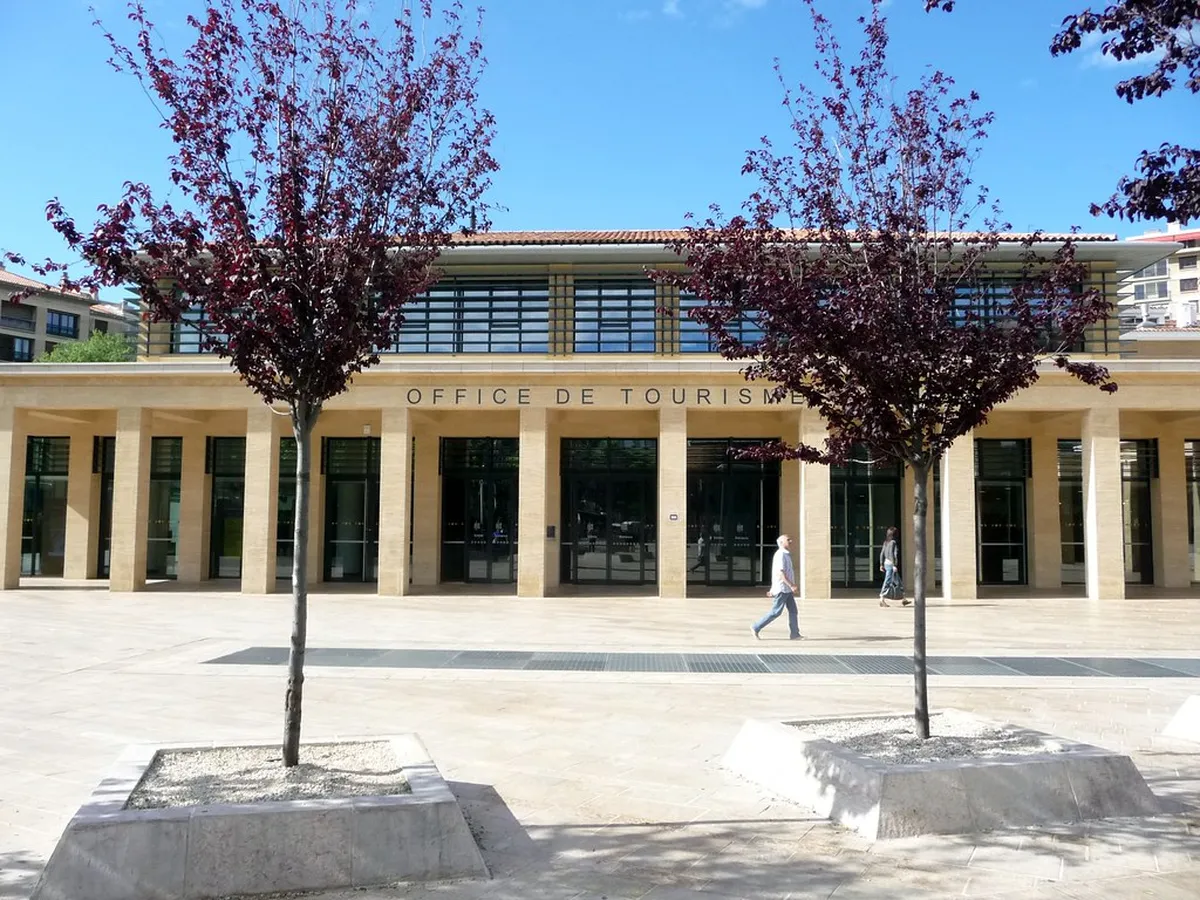
While renowned for its historic charm, Aix also embraces modernity. The city has integrated contemporary designs into its landscape. These newer structures often provide interesting contrasts. They sit alongside centuries-old buildings. This blend showcases Aix's evolving identity.
One notable example is the Grand Théâtre de Provence. This striking building opened in 2007. It features a unique, curved facade and modern materials. It hosts various performances and cultural events. Its bold design stands out in the urban setting.
The Vasarely Foundation is another essential modern landmark. It's dedicated to optical art and Victor Vasarely's work. The building itself is a geometric masterpiece. It was designed by Vasarely himself in the 1970s. Visiting hours are usually 10 AM to 6 PM. Tickets cost around 15 euros for adults.
Other contemporary developments include new housing and commercial spaces. These buildings often use glass, steel, and concrete. They demonstrate the ongoing growth of the city. For more insights, explore Aix-en-Provence modern architecture. The city thoughtfully integrates new with old.
Tips for Exploring Aix-en-Provence Architecture
Wear comfortable shoes for your architectural exploration. The city center is best discovered on foot. Many streets are pedestrian-friendly. Allow ample time to wander and observe details. Plan your 2025 trip during spring or fall for ideal weather.
Consider joining a guided walking tour. Local guides offer fascinating insights. They can point out hidden gems. Tours often focus on specific historical periods. This enhances your understanding of Aix-en-Provence architecture styles. Booking in advance is recommended, especially during peak season.
Take advantage of the numerous cafés and restaurants. Enjoy a break while observing the surrounding buildings. Many establishments offer outdoor seating. This provides a perfect vantage point. It allows for people-watching and architectural appreciation.
Always respect private property when exploring. Many beautiful courtyards are part of private residences. Admire them from the street or through open gates. Look for small plaques on buildings. These often provide historical information. Photography is encouraged, but be mindful of residents.
Frequently Asked Questions
What is the most famous architectural style in Aix-en-Provence?
Aix-en-Provence is most famous for its stunning Baroque architecture. This style dominates the historic city center. Grand hôtels particuliers and ornate fountains showcase its splendor. The 17th and 18th centuries defined this period. You'll see it along Cours Mirabeau and in the Mazarin district.
Are there walking tours focused on Aix-en-Provence architectural styles?
Yes, many guided walking tours focus on Aix's architecture. They cover different historical periods. Tours can highlight Roman, Baroque, or Classical influences. Consider booking a Aix-en-Provence walking tour to enhance your experience. Local guides offer valuable historical context.
Can I see Roman architecture in Aix-en-Provence?
Absolutely, Aix-en-Provence has Roman architectural remnants. The city was a Roman settlement. You can find subtle traces in the urban plan. The Cathédrale Saint-Sauveur also features Roman foundations. The Musée Granet houses Roman artifacts discovered locally. This rich history is still visible today.
What is an 'hôtel particulier' in Aix?
An 'hôtel particulier' is a grand private mansion. These were built by wealthy families in the 17th and 18th centuries. They represent the peak of Baroque architecture in Aix. Many are now public buildings or museums. They feature elaborate facades and impressive courtyards. These buildings are central to the city's charm. You can explore more about Aix-en-Provence historical architecture in detail.
Aix-en-Provence offers a captivating journey through time. Its diverse architecture styles tell a rich historical story. From ancient Roman remnants to striking modern designs, there's much to discover. Plan your 2025 visit to fully immerse yourself. Experience the unique charm of this Provencal gem. Every street corner holds an architectural surprise.
Key Takeaways
- Aix features diverse architecture from Roman to modern times.
- Baroque mansions and fountains define the city center's charm.
- Join a walking tour to uncover hidden architectural gems.
- Always look up to spot intricate details on building facades.