
Ironwork Architecture Aix-en-Provence History Guide
Explore the beautiful ironwork architecture in Aix-en-Provence. Discover its rich history, unique styles, and best viewing spots for 2025. Plan your visit!
On this page
Aix-en-Provence boasts a rich architectural heritage. Its charming streets reveal exquisite details. Among these, the city's ironwork architecture truly stands out. This guide explores the fascinating Ironwork architecture Aix-en-Provence history.
You will uncover the intricate designs and skilled craftsmanship. These beautiful iron elements adorn many historic buildings. Prepare to see Aix-en-Provence in a new, detailed light. Learn where to find the most stunning examples.
The Rich History of Aix-en-Provence Ironwork
The story of ironwork in Aix-en-Provence begins centuries ago. Artisans crafted functional and decorative pieces. Early examples served practical purposes. Think sturdy grilles and robust gates.
By the 17th and 18th centuries, ironwork became an art form. Wealthy families commissioned elaborate designs. These adornments showcased their status. This era defines much of the ironwork architecture Aix-en-Provence history.
Local craftsmen used specific techniques. They transformed raw metal into delicate patterns. Each piece tells a story of its time. The artistry remains evident today. This period saw a flourishing of detailed wrought iron.
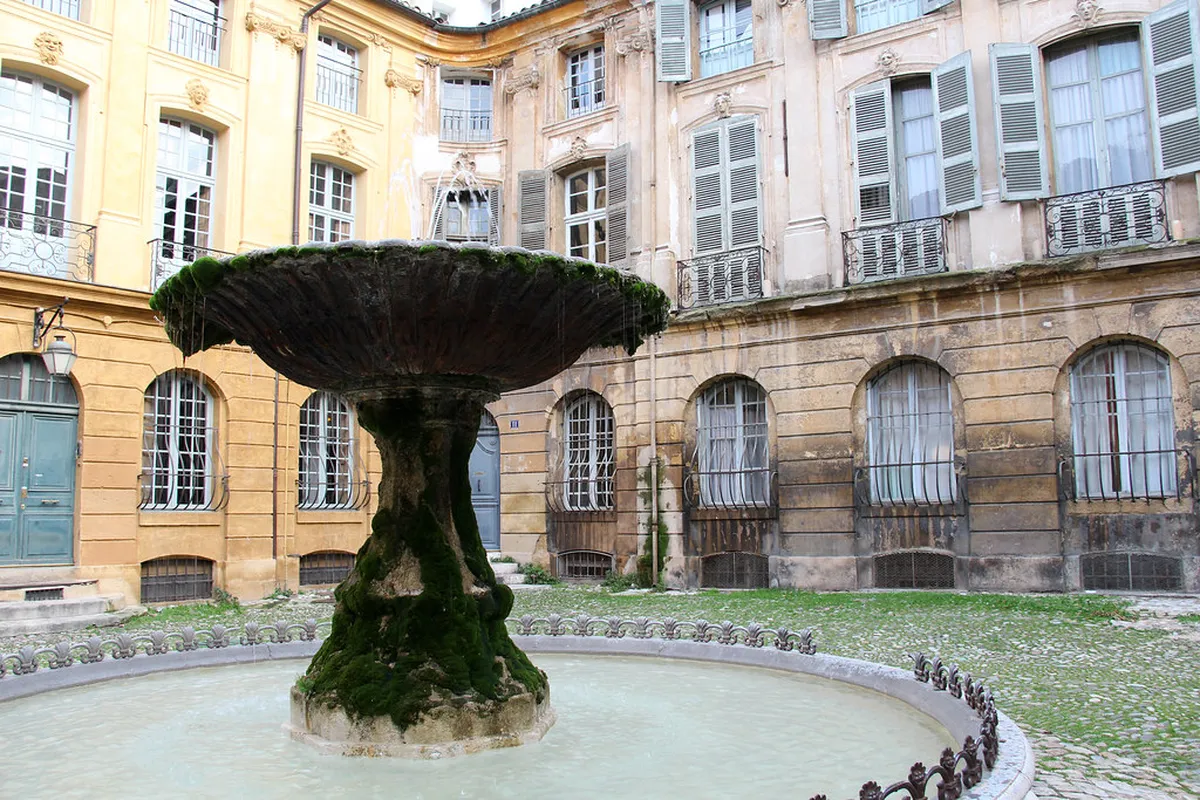
Many historic homes, known as Hotels Particuliers, feature this intricate work. Their balconies and staircases shine. These elements are integral to the city's charm. Exploring them is a journey through time.
Key Features of Aix-en-Provence Ironwork Styles
Aix-en-Provence ironwork displays distinctive characteristics. You will notice elegant curves and intricate scrolls. Floral motifs are very common. These designs reflect regional influences.
Look closely at the wrought iron balconies. They often feature delicate foliage patterns. Geometric shapes also add visual interest. These details provide depth to facades.
Many gates and grilles showcase impressive craftsmanship. Some include family crests or monograms. They served as both protection and decoration. Each piece reflects unique artisan skill.
The colors of the ironwork also vary. You might see classic black or aged bronze. These tones perfectly complement the warm stone buildings. They add an extra layer of visual appeal. Discover more about Aix-en-Provence architectural details during your visit.
Where to Find Stunning Ironwork in Aix (2025)
To truly appreciate Aix-en-Provence ironwork, explore on foot. Begin your journey in the Mazarin Quarter. This area is famous for its grand mansions. Many feature exquisite balconies and gates.
Rue Cardinale and Rue du Quatre Septembre offer prime examples. Look up at the upper-story balconies. Notice the intricate details on doorways. These streets provide excellent viewing opportunities for 2025 visitors.
- Hôtel de Ville: Observe its decorative iron gates.
- Cours Mirabeau: Admire the balconies along this famous boulevard.
- Palais de Justice: Find robust and historic ironwork details.
Consider joining Aix-en-Provence walking tours. These guided walks highlight hidden gems. They often share stories behind the beautiful iron elements. It is a fantastic way to learn more.
Preserving Aix-en-Provence's Ironwork Heritage
Maintaining this artistic heritage is crucial. Local organizations work hard. They restore and preserve ancient ironwork. This ensures its beauty for future generations.
Restoration projects require specialized skills. Craftsmen use traditional techniques. They meticulously repair damaged pieces. This preserves the authenticity of the originals.
Many private owners also contribute. They invest in the upkeep of their historic properties. Their efforts help protect these unique architectural elements. This ensures the survival of Aix-en-Provence ironwork.
Supporting local artisans keeps the tradition alive. These skilled individuals continue the legacy. They offer custom ironwork services. This blend of history and ongoing craft enriches Aix.
Frequently Asked Questions
What is the best way to see historic ironwork in Aix-en-Provence?
The best way is to take a self-guided walk. Focus on the Mazarin Quarter. Also, stroll along Cours Mirabeau. Look up at balconies and at entry gates. Consider a guided walking tour for deeper insights.
What architectural period is known for ironwork in Aix-en-Provence?
The 17th and 18th centuries were a golden age. This period saw a boom in decorative ironwork. Many elaborate designs come from this time. It defines much of the Ironwork architecture Aix-en-Provence history.
Are there specific ironwork styles unique to Aix-en-Provence?
Aix-en-Provence ironwork often features rococo and baroque influences. You will see flowing curves and floral motifs. Local artisans developed distinct regional interpretations. These give it a unique character. This is part of the broader Aix-en-Provence historical architecture.
The ironwork architecture in Aix-en-Provence offers a captivating journey. It reveals centuries of artistry and history. Each delicate scroll and sturdy gate tells a tale. Take your time to appreciate these intricate details.
Plan your visit for 2025 and discover this unique heritage. The city's ironwork is a testament to its enduring charm. It adds elegance to every street and square. Start exploring these beautiful examples today!
Key Takeaways
- Aix-en-Provence ironwork flourished in the 17th and 18th centuries.
- Look for intricate balconies, gates, and grilles in the Mazarin Quarter.
- Floral and curved designs are common features of local ironwork.
- Guided walking tours can enhance your discovery of these architectural gems.