
Medieval Architecture in Aix-en-Provence: A Guide
Uncover the rich history of Medieval architecture in Aix-en-Provence. Our 2025 guide details ancient sites and must-see buildings. Plan your historic tour today!
On this page
Aix-en-Provence boasts a captivating past. Its ancient streets whisper tales of centuries gone by. Exploring the city reveals stunning medieval architecture. These ancient structures showcase a rich historical legacy. Get ready to step back in time in 2025.
This guide highlights Aix-en-Provence's medieval architecture. You will discover incredible historic buildings. Learn about their unique design elements. Immerse yourself in the city's profound history. Let's begin your architectural journey. Explore more historical architecture here.
The Enduring Legacy of Cathédrale Saint-Sauveur
The Cathédrale Saint-Sauveur is a true marvel. It embodies centuries of architectural evolution. This cathedral showcases Romanesque, Gothic, and Baroque styles. Its foundations date back to Roman times.
The Romanesque nave is a key highlight. It features sturdy stone walls and rounded arches. This section dates from the 11th and 12th centuries. The intricate carvings tell ancient stories. Discover more about Aix-en-Provence's church architecture. Visitors appreciate the enduring craftsmanship.
Look for the stunning 15th-century Gothic nave. Its soaring vaults reach towards the sky. The stained-glass windows filter colorful light. This contrast highlights distinct periods.
Practical Details for 2025:
- Location: Place de l'Hôtel de Ville, Aix-en-Provence.
- Hours: Generally open daily from 8:30 AM to 6:30 PM. Check for specific mass times.
- Cost: Entry is free, but donations are welcome.
- Tip: Visit during quieter morning hours.
Tracing Medieval City Walls and Gates
Aix-en-Provence once had formidable city walls. These structures protected its medieval inhabitants. While much is gone, remnants still exist. Discovering these fragments offers a glimpse into the past.
The Rue Gaston de Saporta follows an old city wall line. You can imagine the imposing fortifications here. Some sections are visible in private courtyards. Look closely for old stone foundations. These are reminders of Aix's medieval defenses.
The city's gates controlled entry points. The Porte d'Orange was a significant entrance. Though largely rebuilt, its location is historical. Consider taking a historic walking tour for hidden spots. Local guides share fascinating insights.
One notable remaining medieval tower is the Tour de l'Horloge. It sits proudly above a market square. This 15th-century clock tower has an astronomical clock. Its ironwork campanile is very distinctive. It marks time for the city still today.
Visiting Tips:
- Explore the Old Town on foot. Many historical elements are tucked away.
- Pay attention to street names. They often hint at past features.
- Look for plaques providing historical context.
Discovering Romanesque Architecture Details
Romanesque style predates true Gothic architecture. It flourished during the early medieval period. In Aix-en-Provence, you find sturdy Romanesque elements. These include thick walls and rounded arches.
The Church of Saint-Jean-de-Malte is significant. It was built by the Knights Hospitaller. Though largely Gothic, it has Romanesque foundations. Observe the massive stone blocks. These reveal earlier construction techniques.
Seek out subtle details in older buildings. Some courtyards retain Romanesque archways. These architectural details showcase early craftsmanship. They provide a deeper understanding of the city's past.
Identifying Romanesque features is rewarding. Notice the small, high windows. These offered both light and defense. The overall impression is one of strength. Learn more about Aix-en-Provence architectural details. It reflects the era's focus on stability.
Medieval Houses and Hidden Courtyards
Beyond grand cathedrals, medieval houses survive. Many older buildings in Vieil Aix date back centuries. Their stone facades hide fascinating histories. Exploring the narrow streets reveals these ancient dwellings.
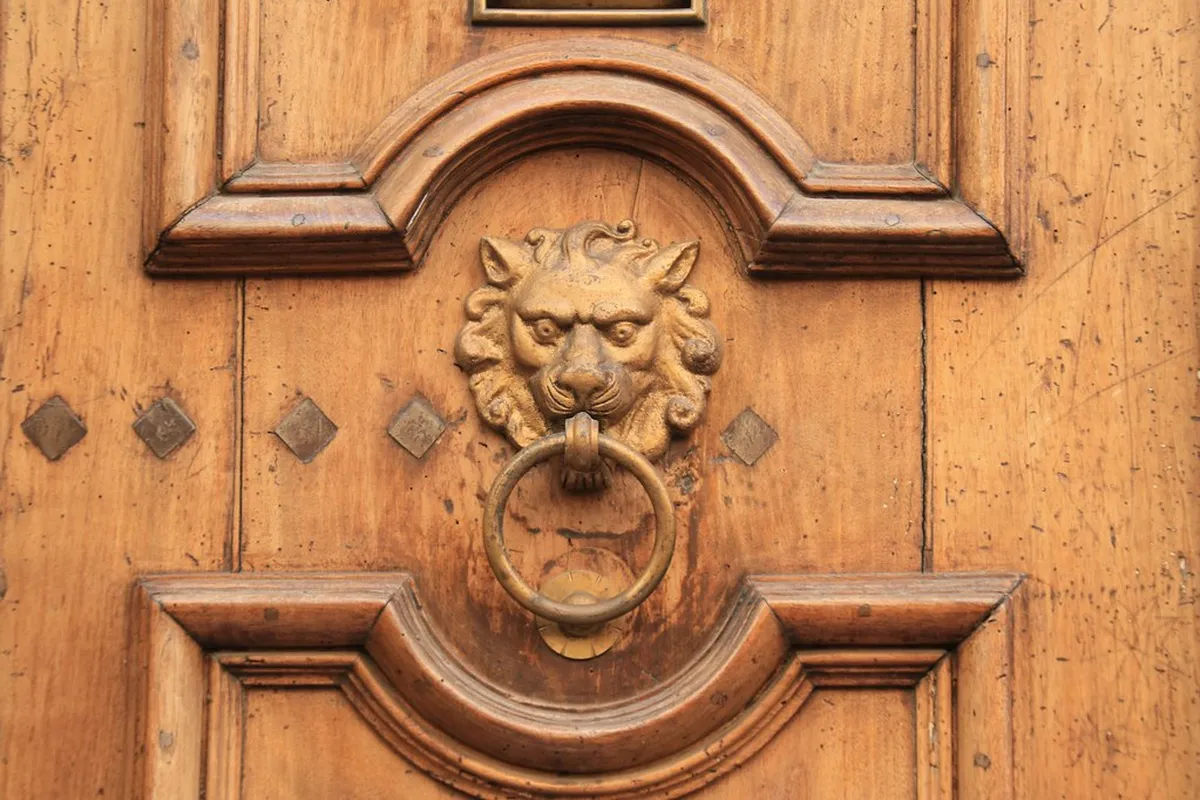
Look for sturdy wooden doors and small windows. These design elements are typical of the era. Some buildings feature external stone staircases. These were common in medieval housing. Wander through the pedestrianized zones for best views.
Hidden courtyards offer peaceful retreats. Many have preserved medieval features. Stone wells and ancient arcades are often found. These courtyards provide a glimpse into private life. They are some of the city's best-kept secrets.
Exploring the Old Town:
- Stroll along Rue Gaston de Saporta. This street has many historic buildings.
- Venture down side alleys. You might discover unexpected medieval gems.
- Allow plenty of time to get lost. It's the best way to explore.
Frequently Asked Questions
What are the oldest buildings in Aix-en-Provence?
The oldest structures in Aix-en-Provence are Roman. However, the Cathédrale Saint-Sauveur includes very early medieval foundations. Its Romanesque sections date back to the 11th century. The city's oldest houses are harder to date precisely.
Can I take a guided tour focused on Medieval architecture in Aix-en-Provence?
Yes, several local companies offer specialized walking tours. These tours often highlight medieval sites. They provide context and historical insights. Check with the Aix-en-Provence tourism office for recommendations in 2025.
What defines Medieval architecture in the Provence region?
Provence's medieval architecture often combines Romanesque and Gothic elements. Romanesque features include thick walls and rounded arches. Gothic additions brought pointed arches and flying buttresses. Local stone types also play a significant role. These styles are evident in Aix-en-Provence.
Aix-en-Provence offers a rich tapestry of medieval architecture. From grand cathedrals to hidden courtyards, history surrounds you. Take your time exploring these ancient wonders. Each stone tells a story of centuries past.
Plan your visit to fully appreciate these architectural gems in 2025. Walk the ancient streets at your own pace. Discover the profound beauty of Aix's historical legacy. Start your medieval exploration today.
Key Takeaways
- Cathédrale Saint-Sauveur is a key medieval site combining styles.
- Remnants of old city walls and gates can be found in the Old Town.
- Look for Romanesque features like thick walls and rounded arches.
- Hidden courtyards often reveal ancient architectural details.
- Guided tours enhance understanding of Aix's medieval past.