
Amboise Chateau Renaissance Architecture Details Guide
Uncover the magnificent Amboise Chateau Renaissance architecture details. Explore its unique features, history, and plan your 2025 visit to this royal gem.
On this page
The Château Royal d'Amboise stands proudly above the Loire River. It showcases incredible French Renaissance architecture details. This former royal residence offers a deep dive into history. Kings of France shaped its magnificent design. You will discover its unique blend of styles during your visit.
Amboise Chateau's Renaissance architecture draws many visitors. Its stunning facades and elegant interiors are famous. Exploring its grounds provides a memorable experience. Learn about its rich past and architectural evolution. This guide helps you appreciate its beauty.
The Dawn of Renaissance at Amboise Chateau
Amboise Chateau marked a pivotal architectural shift in France. It transitioned from medieval fortress to a Renaissance palace. King Charles VIII brought Italian influence here. He returned from his Italian campaigns inspired. This era began in the late 15th century.
Italian artists and craftsmen arrived in Amboise. They introduced new architectural concepts. Symmetrical designs and classical motifs became popular. The chateau was truly transformed during this period. It embraced the innovative Renaissance ideals.
Later, King Francis I continued this grand vision. He spent his childhood at Amboise. His reign further embellished the chateau's style. He championed the arts and new building techniques. This fostered a flourishing Renaissance environment.
The blend of French and Italian styles is evident. You can observe the elegant proportions. Delicate decorative elements adorn the stonework. This period defined Amboise's distinctive character. It made it a true architectural masterpiece. For a deeper look into its history, explore the history of Amboise Royal Chateau architecture.
Key Renaissance Architecture Details of Amboise
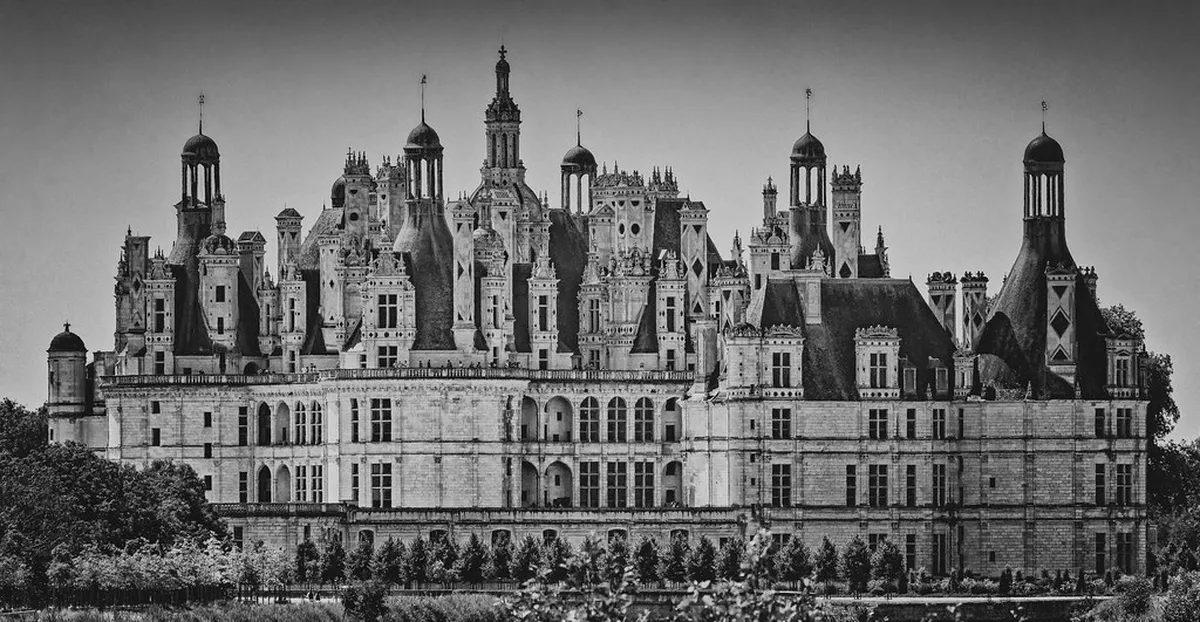
The exterior of Amboise Chateau presents many wonders. Look for the distinct dormer windows. These feature intricate carvings and classical pediments. They add elegance to the roofline. The chateau walls are primarily tuffeau stone.
Two imposing towers dominate the landscape. The Tour des Minimes and Tour Hurtault are iconic. These massive, spiral-ramped towers allowed horses to ascend. They are remarkable examples of engineering. Their design provided essential defensive capabilities.
Facades display a harmonious blend of styles. Gothic elements remain, especially in the chapel. However, Renaissance symmetry and order prevail. Observe the balanced window placement. This creates a sense of grandeur and calm.
Decorative medallions and sculpted motifs enhance the walls. You can find royal emblems and historical symbols. These details tell stories of past monarchs. They highlight the chateau's rich heritage. Every corner reveals a new artistic surprise.
Inside the Royal Apartments and Grand Halls
Stepping inside reveals even more Renaissance splendor. The Council Chamber boasts impressive dimensions. Its original decorative elements transport you back in time. Kings made crucial decisions within these walls.
The various royal apartments showcase opulent living. Look for grand fireplaces with elaborate carvings. These are central features in many rooms. Intricate wooden ceilings also catch the eye. They often feature detailed paneling and beams.
Tapestries once adorned most walls, providing warmth and beauty. While many originals are gone, reproductions hint at past luxury. The furniture styles reflected the era's tastes. Elegant, yet functional pieces filled the chambers.
Visitors can tour several preserved rooms today. You can imagine court life during the Renaissance. Guided tours often highlight specific architectural elements. They explain their historical significance. Discover more with inside Amboise Royal Chateau architecture tours.
The Chapel of Saint-Hubert: A Gothic Masterpiece
Perched on the ramparts, the Chapel of Saint-Hubert is a jewel. It exemplifies Flamboyant Gothic architecture. Its intricate facade carving is breathtaking. Delicate lacework in stone adorns the entrance. This chapel predates the main Renaissance additions.
This chapel is most famous as Leonardo da Vinci's burial place. His tomb lies within its sacred walls. Visitors pay their respects to the great master. The chapel itself is a work of art. Its detailed craftsmanship is truly exceptional.
The tympanum above the door depicts hunting scenes. Saint Hubert, the patron saint of hunters, is featured. These sculptures show incredible artistic skill. They represent a different artistic period. Yet, they complement the chateau's overall beauty.
Despite its Gothic roots, it adds to Amboise's allure. Its location offers stunning views of the Loire. It stands as a testament to various building eras. This small chapel is a must-see for all visitors. It bridges different architectural epochs.
Planning Your Amboise Chateau Visit in 2025
Visiting Amboise Chateau is an enriching experience. The chateau typically opens daily, closing only on specific holidays. Check their official website for 2025 opening hours. Ticket prices are around €15-€18 for adults. Student and child discounts are usually available.
The best time to visit is spring or early autumn. The weather is pleasant then. Crowds are also generally smaller than in summer. Allow at least two to three hours for your visit. This gives you ample time to explore fully.
The chateau is located at Château Royal d'Amboise, 99 Rue de la Loire, 37400 Amboise. It is easily accessible. You can reach it by car or train. Parking is available nearby, though it can fill quickly.
Consider purchasing your tickets online in advance. This can save time during peak season. Comfortable shoes are highly recommended. You will walk a lot, including up and down towers. Enjoy your exploration of Amboise Chateau's Renaissance architecture!
Frequently Asked Questions
What makes Amboise Chateau's architecture Renaissance?
Amboise Chateau features symmetrical designs and classical motifs. These elements define its Renaissance style. Kings Charles VIII and Francis I incorporated Italian influences. They introduced concepts like balanced proportions. This transformed the chateau's medieval appearance.
Which kings influenced Amboise Chateau Renaissance architecture?
King Charles VIII was crucial for its early Renaissance transformation. He brought Italian artists to Amboise. King Francis I continued this architectural development. He enriched the chateau with further Renaissance details. His vision truly shaped its grandeur.
Can I see Leonardo da Vinci's tomb at Amboise?
Yes, you can visit Leonardo da Vinci's tomb. It is located in the Chapel of Saint-Hubert. This beautiful chapel is part of the chateau grounds. It is a key highlight for many visitors. You can pay your respects there.
Are there specific tours for Amboise's architectural features?
The chateau offers various guided tours. Many focus on its historical and architectural significance. These tours highlight specific Renaissance elements. Check the official Amboise Chateau website for tour schedules. Look for details on Royal Chateau Amboise architectural features.
Amboise Chateau offers a captivating journey through time. Its Renaissance architecture details are truly remarkable. From grand facades to intricate interiors, beauty abounds. Plan your 2025 visit to experience this royal masterpiece. You will uncover centuries of French history. Do not miss this stunning Loire Valley gem.
Key Takeaways
- Amboise Chateau transitioned from medieval to magnificent Renaissance design.
- Look for symmetrical facades, elaborate dormer windows, and grand towers.
- The Chapel of Saint-Hubert holds Leonardo da Vinci's tomb and Gothic artistry.
- Plan your 2025 visit during spring or fall for pleasant weather and fewer crowds.
Related reads: streetartly.com.