
History of Amboise Royal Chateau Architecture
Explore the rich history of Amboise Royal Chateau architecture. Discover its medieval origins and Renaissance transformation. Plan your 2025 visit to this Loire Valley gem!
On this page
The Amboise Royal Chateau stands as a majestic symbol. It proudly showcases centuries of French architectural history. This guide explores the fascinating evolution of the Amboise Royal Chateau architecture. You will discover its early medieval foundations and grand Renaissance styles. Prepare to uncover the stories etched into its ancient stones for your 2025 visit.
Amboise Royal Chateau's Medieval Foundations
The chateau's story began in the 11th century. A powerful fortress first occupied this strategic site. Its position offered excellent control over the Loire River. Early lords strengthened these formidable medieval defenses.
King Charles VIII was born here in 1470. He later transformed the fortress significantly. He envisioned a grander, more comfortable royal residence. This marked a pivotal shift from pure military function.
Remnants of these medieval structures still exist. Visitors can see the impressive Tour des Minimes. Another notable tower is the Tour Hurtault. These towers highlight the chateau's original defensive strength.
The Renaissance Transformation: Charles VIII and Francis I
King Charles VIII began a major reconstruction. He introduced early Renaissance elements from Italy. His travels inspired new architectural ideas and styles. Italian artists and craftsmen were brought to Amboise.
Francis I continued this ambitious building program. He ascended to the throne in 1515. The chateau became a vibrant center of the French Renaissance. Francis I hosted lavish events and prominent figures here.
These kings blended French Gothic traditions with new Italian designs. The result was a unique and stunning architectural blend. This period truly defined the look of the Amboise Royal Chateau architecture. You can see more about the specific Royal Chateau Amboise architectural features within these walls.
Key Renaissance Architectural Features and Details
The chateau features elegant Gothic-Renaissance facades. Large windows replaced small medieval arrow slits. These additions flooded interiors with natural light. Detailed carvings adorned many of the new sections.
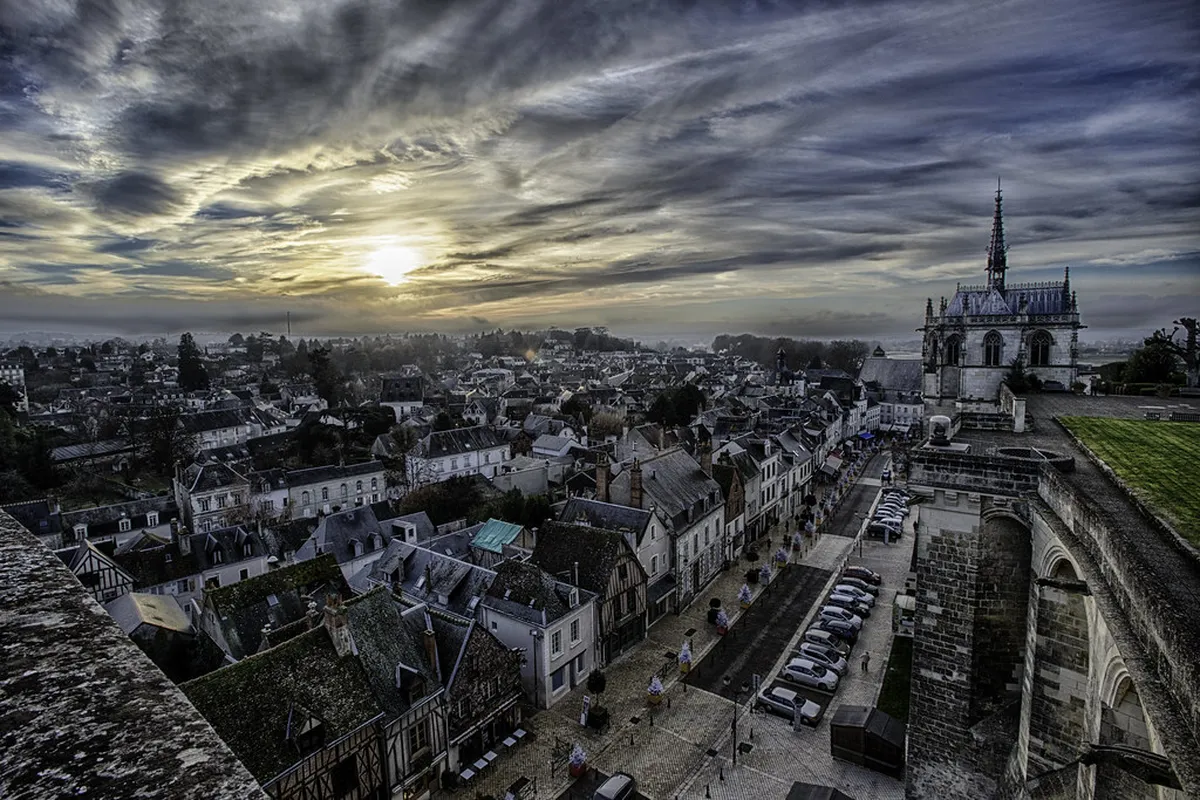
Inside, the chateau boasted refined living spaces. Spacious halls and grand staircases became prominent. The Chapel of Saint-Hubert is a masterpiece. Its delicate Gothic tracery is truly breathtaking. Leonardo da Vinci's tomb rests within this beautiful chapel.
Practicality also met aesthetics in new designs. Elaborate gardens replaced older defensive courtyards. These changes reflected a desire for beauty and comfort. They showcased the opulence of the French monarchy.
For those interested in the finer points, exploring Amboise Chateau Renaissance architecture details is a must. Pay attention to the intricate stonework. Observe the blend of classical motifs and local artistry. Every corner tells a part of its rich story.
Later History and Modern Preservation Efforts
After its Renaissance peak, the chateau faced decline. It served as a prison for a period. Neglect and destruction damaged parts of the structure. The French Revolution also took a heavy toll.
The 19th and 20th centuries brought significant restoration. Dedicated efforts aimed to preserve its historical integrity. The Saint-Louis Foundation now manages the property. Their work ensures its beauty endures.
Visiting today, you see a meticulously maintained monument. Restoration projects continue to protect its legacy. These efforts allow future generations to admire its splendor. This includes maintaining the chapel and royal apartments.
Planning Your 2025 Visit to Amboise Royal Chateau
The Amboise Royal Chateau is open most days. Check their official website for 2025 hours and ticket prices. Adult entry typically costs around 15 euros. Discounts are available for students and children.
Allow at least two to three hours for your visit. This time lets you explore the interiors and gardens. Consider a guided tour for deeper insights. These tours often reveal hidden architectural facts.
Book tickets online to save time. Weekday mornings are generally less crowded. Wear comfortable shoes for walking around the grounds. The views of the Loire Valley are truly spectacular.
Combine your chateau visit with other local attractions. Amboise offers many historic sites. You can discover more about historic Amboise building styles across the city. Many delightful restaurants and shops line the charming streets.
Frequently Asked Questions
What is the primary architectural style of Amboise Royal Chateau?
The Amboise Royal Chateau showcases a unique blend of Gothic and early French Renaissance styles. King Charles VIII and Francis I introduced many Italian influences. They built upon existing medieval fortress foundations. This fusion creates its distinctive and grand appearance.
Which kings were most influential in the Amboise Royal Chateau architecture?
King Charles VIII initiated the major Renaissance transformation. He brought Italian artists and new concepts. His successor, King Francis I, continued this ambitious project. Francis I further developed the chateau into a luxurious royal residence. His work solidified its Renaissance grandeur.
Can you see medieval architecture at Amboise Royal Chateau today?
Yes, significant medieval elements remain visible. The impressive Tour des Minimes and Tour Hurtault are examples. These powerful defensive towers date back to earlier periods. They offer a glimpse into the chateau's fortress origins. You can truly experience the medieval Amboise architecture guide within these historic structures.
Is Leonardo da Vinci associated with Amboise Royal Chateau's architecture?
While not an architect of the chateau itself, Leonardo da Vinci spent his final years nearby. He lived at Clos Lucé, a short walk away. King Francis I hosted him in Amboise. Da Vinci's tomb is located in the chateau's Chapel of Saint-Hubert. This connection adds significant historical weight.
The Amboise Royal Chateau offers a profound architectural journey. Its stones tell tales from medieval strongholds to Renaissance grandeur. Experiencing its history is a highlight of any Loire Valley visit. Plan your 2025 trip to witness this magnificent site. Discover the lasting legacy of French royal power and artistic innovation.
Key Takeaways
- The chateau blends medieval fortifications with Renaissance elegance.
- King Charles VIII and Francis I were key in its architectural transformation.
- Look for the Tour des Minimes and the Chapel of Saint-Hubert.
- Leonardo da Vinci's tomb lies within the chateau's chapel.
- Visit in 2025 to experience centuries of French history.