
Discover Historic Amboise Building Styles in 2025
Uncover the diverse Historic Amboise building styles. From medieval to Renaissance, explore Amboise's timeless architecture. Plan your 2025 visit now!
On this page
Amboise, France, holds a captivating history. Its buildings tell stories through diverse designs. Exploring Historic Amboise building styles reveals centuries of artistry. This guide helps you understand the architectural evolution in 2025.
You will discover medieval fortresses and grand Renaissance châteaux. Each era left its unique mark on the city. Prepare to uncover Amboise's architectural treasures. This article provides essential insights.
Tracing Medieval Amboise Architecture
Amboise's oldest structures reflect medieval times. These buildings were primarily defensive. They often featured thick stone walls and narrow windows. The medieval Amboise architecture guide provides deeper insights. Many homes still stand with these ancient foundations today.
The original Amboise fortress dates back many centuries. Its robust design protected early inhabitants. Stone was the primary building material then. Houses were compact and multi-story. You can still see examples near the château walls.
Early churches also adopted Romanesque elements. Simple arches and strong pillars defined their look. Gothic influences later introduced pointed arches. Intricate stained-glass windows became common. Look for these details in older town sections.
Many medieval homes are now charming shops. They retain their unique historic character. Expect timber framing in some hidden courtyards. These details connect visitors to Amboise's distant past. Exploring these areas feels like stepping back in time.
Remember that many original structures have been modified. Later additions sometimes covered older foundations. However, careful observation reveals their ancient roots. Look closely at building materials and proportions. These subtle clues tell a rich story.
Renaissance Grandeur in Amboise
The 15th and 16th centuries brought great change. French Renaissance architecture flourished in Amboise. Italian influences shaped new building designs. King Charles VIII and Francis I led this artistic boom. The town transformed with their grand visions.
The Royal Château d'Amboise is a prime example. It showcases exquisite Renaissance features. Look for decorative facades and large windows. Grand staircases became central design elements. Its design marks a pivotal shift. Learn more about the Amboise Royal Château architecture.
Château du Clos Lucé also embodies this style. Leonardo da Vinci lived here for his final years. It blends brick and stone beautifully. Symmetry and classical proportions are evident. This château offers unique insights into the period. Dive into Château Clos Lucé architecture details.
Wealthy families adopted Renaissance styles too. Their townhouses featured elegant courtyards. Ornate details adorned doorways and windows. These smaller examples pepper the historic center. They add to Amboise's rich visual tapestry. Discover more about Renaissance architecture in Amboise.
Practical tips for visiting: Many châteaux offer guided tours. Check opening times for 2025 in advance. Booking tickets online often saves time. Expect entrance fees around €15-€20 per château. These costs are well worth the experience. Consider a combined ticket for savings.
Classical and Later Amboise Designs
After the Renaissance, classical styles emerged. These designs emphasized order and formality. Columns, pediments, and strict symmetry became popular. Many civic buildings adopted these structured forms. You can see these influences in later townhouses.
The 17th and 18th centuries saw continued development. Elegant townhouses were built with precision. They often featured mansard roofs and ironwork balconies. These elements added a touch of Parisian sophistication. Stroll through the town to spot them.
During the 19th century, Haussmannian influences appeared. Buildings became taller with uniform facades. Balconies often ran the length of floors. This style brought a sense of urban planning. Amboise adapted these broader French trends subtly.
Modern additions are carefully integrated today. New constructions respect the historic surroundings. Local regulations protect Amboise's unique charm. This ensures a harmonious blend of old and new. The city prioritizes preserving its heritage diligently.
Walking through Amboise showcases this evolution. From riverside promenades to hidden alleys. Each street reveals different architectural eras. Pay attention to the subtle transitions between buildings. It's like a living history book.
Identifying Amboise's Historic Building Styles
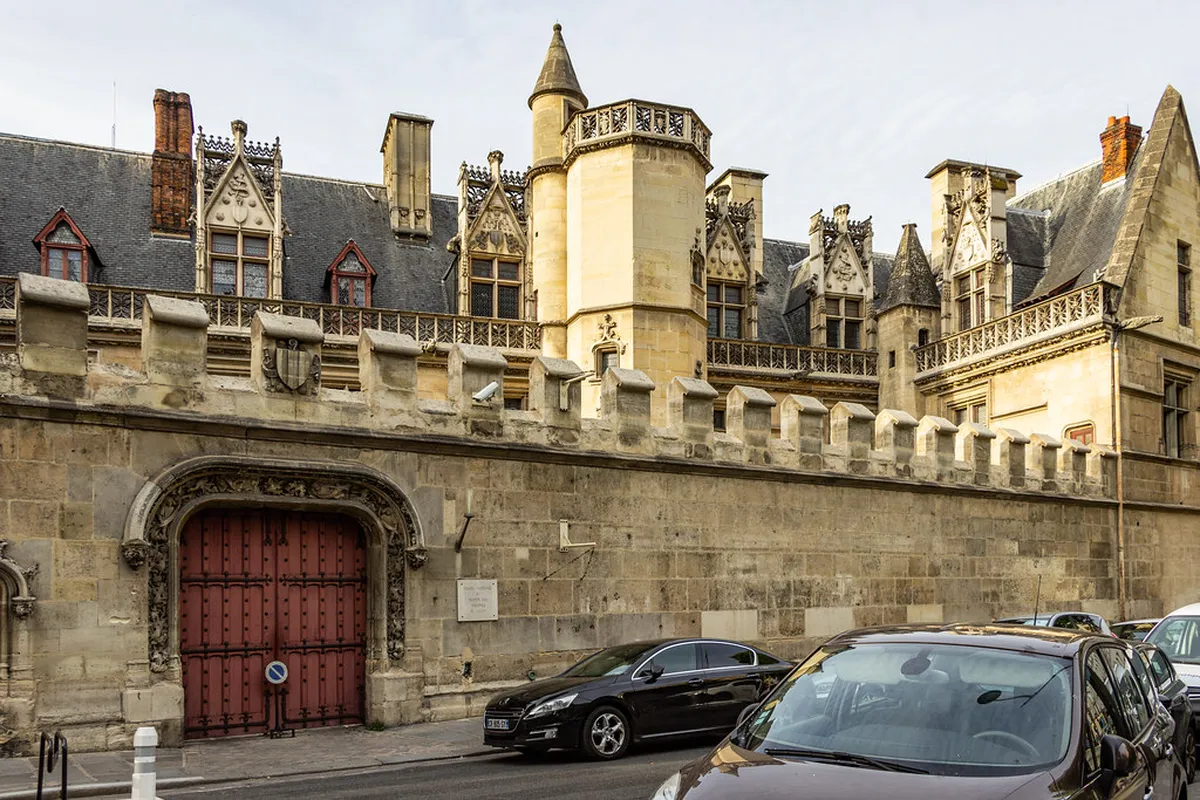
Knowing key features helps you identify styles. Medieval buildings often have small, irregular windows. Their stone walls are noticeably thick. Look for external defensive elements like buttresses. These point to a protective function of the past.
Renaissance structures show more openness. Large, symmetrical windows are a common trait. Decorative carvings and pilasters adorn facades. Roofs often feature dormer windows. These details reveal a focus on beauty and light.
Later classical homes boast balanced proportions. They might have wrought-iron balconies. Mansard roofs are also a distinctive feature. These roofs allow for additional living space. They contribute to the elegant streetscapes.
Take an Amboise architecture walking tour. Pay attention to materials used. Observe the roof lines and window shapes. Note the decorative elements present. This practice helps you appreciate each era's contribution. It enhances your understanding of Historic Amboise building styles.
For house architecture, consider identifying Amboise historic house architecture. Look at door surrounds and chimney designs. Notice the use of brick, tuffeau stone, and slate. Each detail provides clues about its age. It offers a deeper connection to the past. Consider joining a local guided tour for expert insights.
Frequently Asked Questions
What are the main Historic Amboise building styles?
Amboise primarily features medieval and Renaissance styles. Medieval buildings are robust and defensive. Renaissance architecture shows elegance and symmetry. Later periods introduced classical and 19th-century influences. These styles blend beautifully.
Which famous buildings represent Amboise Renaissance architecture?
The Royal Château d'Amboise is a prime example. Château du Clos Lucé also perfectly represents this era. Both display characteristic Renaissance features. They are essential stops for architecture lovers. Consider visiting both on your trip.
Can visitors tour historic homes in Amboise?
While many are private residences, you can visit several châteaux. Clos Lucé and the Royal Château are open to the public. Some smaller, historic properties occasionally offer tours. Always check schedules for 2025. Booking ahead is often recommended.
What are the typical materials used in Amboise's historic buildings?
Tuffeau stone is widely used for its soft, workable nature. It gives many buildings a distinctive white hue. Brick and timber framing also feature in older structures. Slate roofs are common for their durability. These materials define Amboise's appearance.
Exploring Historic Amboise building styles offers a rich experience. From medieval strongholds to Renaissance palaces, each era adds beauty. The city's architectural heritage is truly remarkable. Plan your visit to discover these captivating designs. Amboise invites you to step back in time. Learn more about Amboise's broader street art and architecture to enhance your trip.
Understanding these styles enriches any visit. It provides context for the city's development. Embrace the opportunity to witness history firsthand. Make Amboise a top destination for architectural exploration this year.
Key Takeaways
- Amboise's architecture primarily spans medieval and Renaissance periods.
- Look for thick walls and small windows to identify medieval styles.
- Renaissance buildings feature symmetry, large windows, and decorative facades.
- The Royal Château and Clos Lucé are must-see examples of Amboise architecture.
- Consider a walking tour to appreciate intricate architectural details in 2025.