
Discovering Chateau Clos Lucé Architecture in Amboise
Explore Chateau Clos Lucé architecture in Amboise. Uncover its Renaissance beauty and Leonardo da Vinci's influence. Plan your 2025 visit now!
On this page
Chateau Clos Lucé stands as a magnificent testament to French history. Located in Amboise, France, its architecture tells a fascinating story. This charming residence was once home to Leonardo da Vinci. Understanding Chateau Clos Lucé architecture reveals centuries of design evolution.
The chateau blends medieval foundations with Renaissance elegance. It offers a unique glimpse into this transformative period. Prepare to explore its captivating structures and ingenious designs. Discover the magic of this historical landmark in 2025.
History and Renaissance Influence on Clos Lucé
Chateau Clos Lucé boasts a rich and storied past. It began as a medieval fortress during the 12th century. Over time, it transformed into a royal summer residence. King Charles VIII acquired the property in 1490.
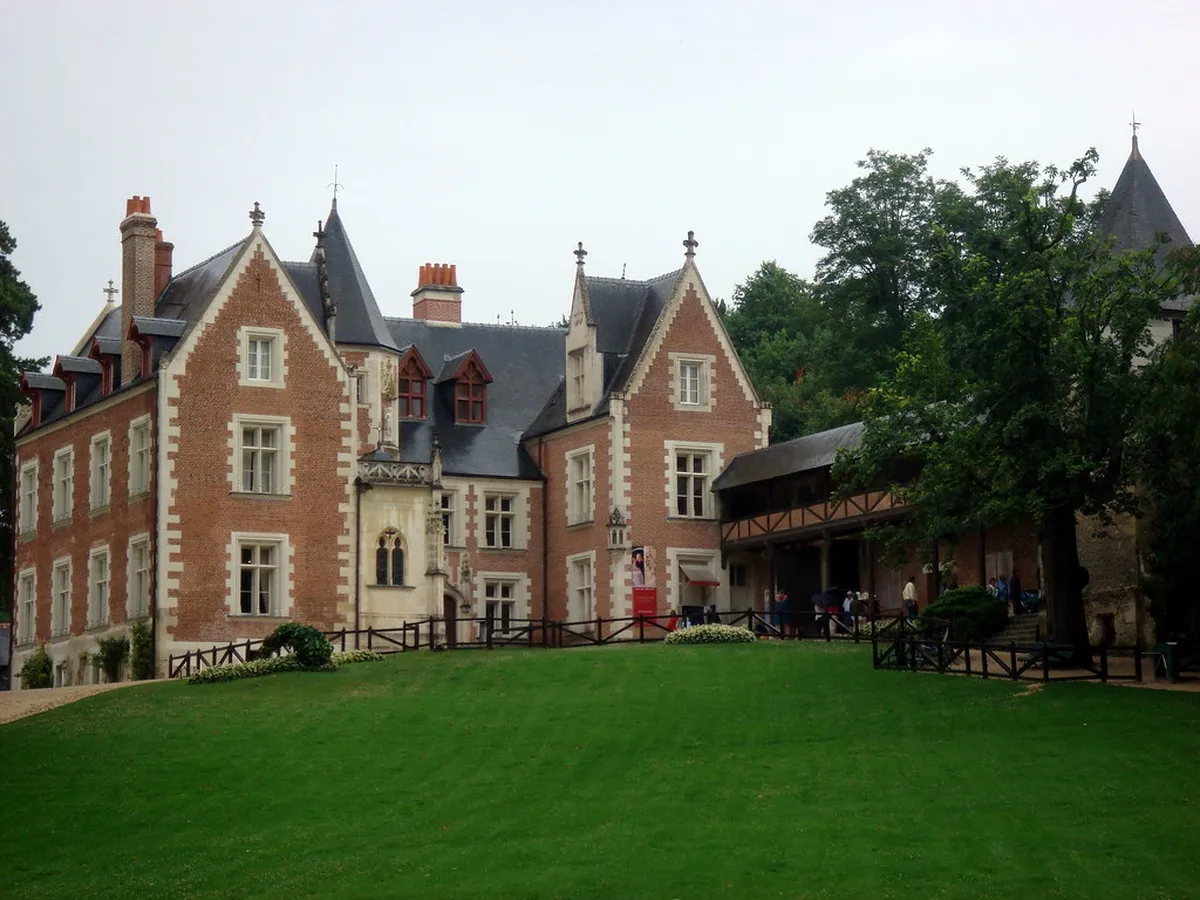
The chateau underwent significant Renaissance renovations. These changes softened its defensive appearance greatly. Large windows and refined details emerged. The brick and tufa stone construction showcases regional styles. This period defined much of its current exterior.
Clos Lucé became a property of the French monarchy. Later, it passed to the Amboise family. Its transformation reflects the shifting architectural trends. The blend of styles creates its distinct charm. This evolution makes it a true architectural gem.
Many famous figures resided within its walls. They shaped its historical significance greatly. Understanding this past enriches any visit. The chateau truly embodies French heritage. It offers a portal to bygone eras. Learn more about Renaissance architecture in Amboise during this period.
Leonardo da Vinci's Impact on Clos Lucé Architecture
Leonardo da Vinci spent his final years at Clos Lucé. King Francis I invited him to France in 1516. Da Vinci lived here from 1516 until his death in 1519. His presence deeply influenced the estate.
He was granted freedom to pursue his inventions. The chateau provided a peaceful working environment. While he didn't design the chateau, his ideas filled its spaces. Visitors can explore models of his amazing creations. These models highlight his innovative genius.
The chateau's interiors reflect a life dedicated to art and science. Da Vinci's spirit permeates every room. You can see his bedroom and workshop. These areas bring his daily life into focus. It’s a remarkable connection to history.
His architectural sketches and engineering concepts are displayed. These demonstrate his vast intellect. They show how he envisioned future designs. The grounds feature large-scale inventions. These interactive displays bring his work to life. Learn more about Leonardo da Vinci's architectural ideas related to Clos Lucé.
Exploring Clos Lucé's Exterior and Interior Designs
The exterior of Chateau Clos Lucé is immediately striking. It features pink brick and white tufa stone. This combination is typical of the Loire Valley. Its towers and turrets hark back to medieval times. Yet, large windows speak of the Renaissance.
Inside, the chateau offers a journey through history. Each room preserves period furnishings and decor. The Grand Salon served as a reception area. Its intricate tapestries depict historical scenes. The atmosphere transports you to the 16th century.
Visitors can explore the King's Room and Da Vinci's bedroom. The oratory also provides a quiet space for reflection. Pay attention to the fireplaces and ceiling details. They showcase exquisite craftsmanship. Every corner holds a piece of history.
Architectural details reveal skilled artisans' work. Notice the carved wooden panels and ornate doorframes. These elements reflect the changing tastes of the era. The seamless blend of styles creates an enchanting experience. It highlights the unique architectural styles of Chateau du Clos Lucé.
Gardens and Ingenious Inventions at Clos Lucé
Beyond the chateau, the park is an integral part of the estate. The gardens are beautifully maintained. They offer a serene backdrop for exploration. Pathways wind through ancient trees and vibrant flowerbeds. Enjoy peaceful strolls around the grounds.
This park is also home to Leonardo's Garden. Here, visitors find life-size models of his inventions. These include a tank, a helicopter, and a multi-barreled cannon. They demonstrate his visionary engineering skills. Children and adults alike find them captivating.
Interactive displays explain the science behind each model. You can often try some mechanisms yourself. This hands-on approach brings his genius to life. The garden blends natural beauty with intellectual discovery. It's a truly unique experience.
Water features and sound installations enhance the ambiance. They create an immersive environment. The park perfectly complements the chateau's interior. Exploring the gardens and architecture of Clos Lucé offers a full day's activity. Allow ample time for both the house and grounds.
Planning Your Visit to Chateau Clos Lucé in 2025
Visiting Chateau Clos Lucé in 2025 promises a memorable trip. The chateau is open almost every day of the year. Check the official website for exact opening hours. These can vary by season, especially during holidays.
Tickets cost around 19.50 euros for adults. Reduced rates are available for students and children. Booking online in advance is highly recommended. This saves time and ensures entry during peak season. You can often find family passes.
Allow at least two to three hours for your visit. This includes exploring the chateau interior. You will also want time for the expansive park and inventions. Audio guides are available in several languages. They provide excellent contextual information.
Clos Lucé is easily accessible from Amboise city center. It's just a short walk from the Royal Chateau of Amboise. Consider combining both visits for a full day. There are also many great restaurants nearby. Explore other Amboise architecture walking tours to maximize your trip.
Frequently Asked Questions
What makes Chateau Clos Lucé architecture unique?
Chateau Clos Lucé architecture combines medieval strength with Renaissance refinement. Its pink brick and tufa stone construction is distinctive. The chateau also holds the powerful legacy of Leonardo da Vinci. This blend of history and innovation makes it truly unique.
Did Leonardo da Vinci design Chateau Clos Lucé?
No, Leonardo da Vinci did not design Chateau Clos Lucé. He lived there from 1516 until 1519. King Francis I provided it as his residence. His presence influenced the intellectual life of the chateau. His inventions are now displayed on the grounds.
How much time should I allocate for a Clos Lucé visit?
Plan for two to three hours to fully experience Clos Lucé. This allows time for the chateau's interior and Leonardo's Garden. The garden features life-size models of his inventions. It ensures you can appreciate all its historical and architectural aspects.
Are there other architectural sites near Clos Lucé in Amboise?
Yes, Amboise offers several significant architectural sites. The Royal Chateau of Amboise is very close by. You can also explore historic Amboise building styles throughout the town. Consider an architecture walking tour to see more. Many buildings reflect the rich history of the Loire Valley.
Chateau Clos Lucé offers a profound journey through history. Its captivating architecture tells tales of royal life. It also reveals the genius of Leonardo da Vinci. The blend of medieval and Renaissance styles truly inspires.
Visiting this iconic landmark in 2025 is a must. Explore its elegant rooms and inventive gardens. Discover the enduring legacy of a true visionary. Plan your visit to experience this architectural marvel. Don't miss this unique Amboise treasure.
Key Takeaways
- Chateau Clos Lucé blends medieval and Renaissance architectural styles.
- Leonardo da Vinci's last home showcases his inventions and influence.
- Allow 2-3 hours to explore both the chateau interior and invention park.