
Chateau du Clos Lucé: Architectural Styles in Amboise
Explore the fascinating architectural styles of Chateau du Clos Lucé in Amboise. Learn about its medieval and Renaissance designs for your 2025 visit.
On this page
Chateau du Clos Lucé stands as a treasure in Amboise, France. It offers a captivating journey through time. This historic residence was once home to Leonardo da Vinci. Its unique architectural styles blend different eras seamlessly. Discover the evolution of this magnificent chateau for your 2025 trip.
Clos Lucé showcases a rich tapestry of design history. From its medieval origins to its Renaissance elegance, it tells a compelling story. Understanding these styles enhances your visit significantly. This article explores the distinct Chateau Clos Lucé architecture in detail. Prepare to be inspired by its enduring beauty.
The Medieval Origins of Clos Lucé Castle
Chateau du Clos Lucé began as a medieval fortified dwelling. It was built during the 15th century. Strong defensive features characterized its early design. These included thick walls and a strategic location.
You can still observe elements of its Gothic past today. The cellar foundations show its original sturdy construction. This period emphasizes functionality over ornamentation. It served as a robust structure for its early inhabitants.
Original towers and parts of the façade highlight this era. They connect the chateau to France's rich medieval history. This strong foundation supported all subsequent transformations. It remains a testament to its enduring construction.
Renaissance Architectural Styles and Features
King Charles VIII acquired Clos Lucé in 1490. He then initiated its grand Renaissance transformation. This period brought significant stylistic changes. The château evolved from a fortress to a royal residence.
Architects introduced new symmetrical designs and larger windows. These changes allowed more light into the interiors. The use of red brick and white tuffeau stone became prominent. This combination is typical of the Loire Valley châteaux.
Intricate detailing and decorative elements emerged during this time. Features like turrets and dormer windows were added. They softened the chateau's previously stern appearance. Clos Lucé became a fine example of Renaissance architecture in Amboise. It reflects the artistic spirit of the era.
Leonardo da Vinci's Influence on Clos Lucé
Leonardo da Vinci lived at Clos Lucé from 1516 until his death in 1519. King Francis I invited him to France. Leonardo used the chateau as his workshop and home. His presence imbued the site with intellectual energy.
While Leonardo did not design the chateau itself, his ideas were revolutionary. He conceived of ideal cities and innovative structures. Models of his inventions are now displayed on site. These demonstrate his genius in engineering and design.
The chateau's peaceful surroundings inspired his final works. He continued painting and inventing here. His spirit of innovation remains palpable throughout Clos Lucé. It makes a visit truly remarkable in 2025.
Key Architectural Elements to Observe Closely
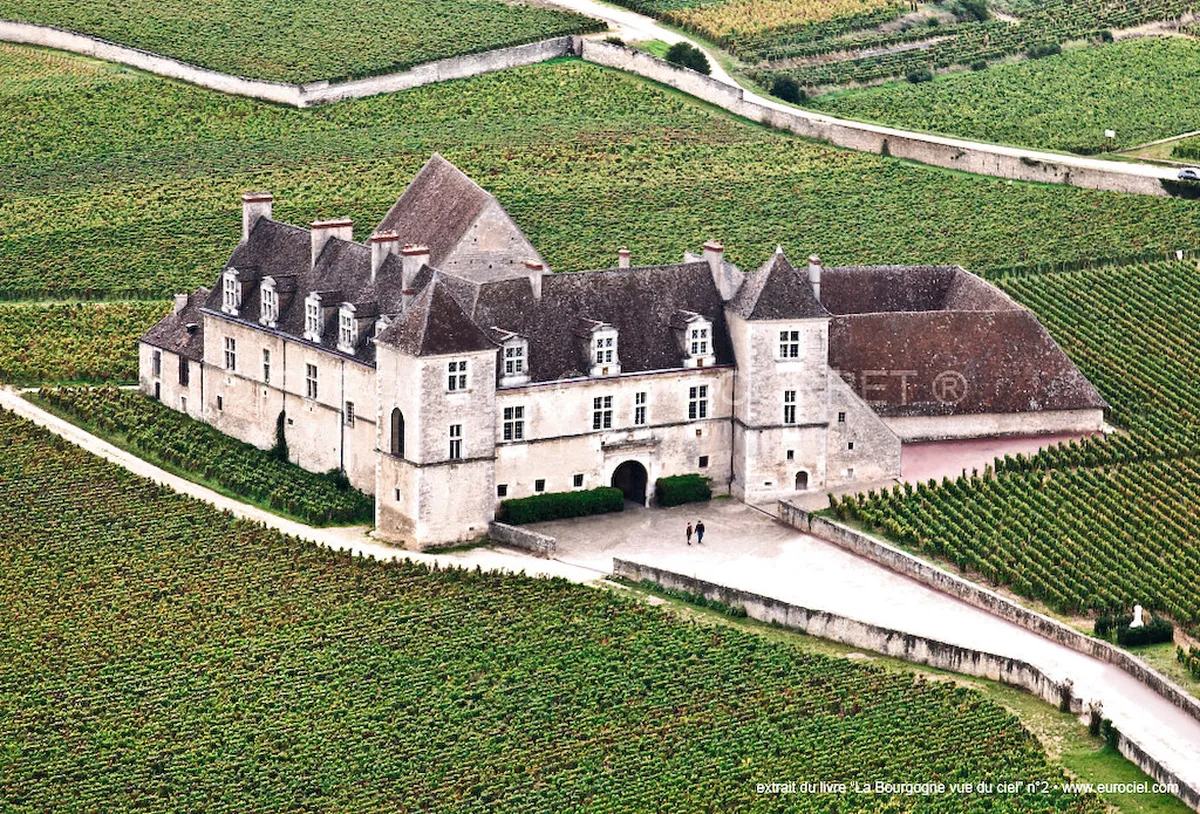
Clos Lucé exhibits several distinct architectural elements. The contrasting pink brick and white stone create visual appeal. This classic Loire Valley style is easily recognizable. It provides a beautiful aesthetic to the structure.
Look for the elegant mullioned windows. They are divided by vertical stone bars. The steeply pitched slate roofs are also characteristic. These features add to its distinct French Renaissance charm.
The interior also showcases historical styles. Original frescoes and tapestries decorate the rooms. The preserved chapel is another notable feature. It offers a glimpse into the chateau's religious past.
Do not miss the external turrets and their unique caps. They hint at the building's medieval origins. These elements seamlessly blend with the later Renaissance additions. They tell a story of architectural evolution.
Comparing Clos Lucé with Other Amboise Châteaux
Clos Lucé offers a distinct experience compared to its neighbors. The Royal Château d'Amboise is grander and more imposing. It served as a primary royal residence. Clos Lucé, in contrast, feels more intimate and personal.
The Château du Clos Lucé showcases a gentle architectural transition. It moves from medieval practicality to Renaissance elegance. This makes it a perfect example of evolving styles. It provides a unique historical perspective.
Its smaller scale allows for a deeper appreciation of details. Visitors can explore at a leisurely pace. You gain a clearer understanding of its historical phases. Consider a combined visit to appreciate both structures fully.
Frequently Asked Questions
What is the primary architectural style of Chateau du Clos Lucé?
Chateau du Clos Lucé primarily showcases early French Renaissance architectural styles. However, it retains strong elements from its medieval origins. This creates a unique blend of historical periods.
The pink brick and white tuffeau stone are key Renaissance features. Look for the large windows and decorative dormers. These details define its distinct appearance.
Did Leonardo da Vinci design parts of Clos Lucé during his stay?
Leonardo da Vinci did not design the existing architectural structure of Clos Lucé. He lived there for his final years. He used the chateau as his home and workshop.
His influence was more through his innovative ideas and inventions. These are now displayed in the chateau's park and basement. His creative spirit certainly permeated the estate.
How much does it cost to visit Chateau du Clos Lucé in 2025?
Entry fees for Chateau du Clos Lucé typically range from 15-19 Euros per adult. Reduced rates are available for children and students. Prices may vary slightly for special exhibitions or events in 2025.
It is always wise to check their official website before your visit. Booking tickets online might also save you time. This ensures a smooth and enjoyable experience.
What are the most notable architectural features of Clos Lucé?
Notable features include the distinctive pink brick and white tuffeau stone facade. The blending of medieval turrets with Renaissance windows is also key. The elegant dormer windows add to its charm.
The chateau's chapel and its preserved interiors are also significant. These elements collectively highlight its architectural evolution. They represent different periods of French design history.
The architectural styles of Chateau du Clos Lucé tell a compelling story. It beautifully merges its medieval past with Renaissance elegance. This unique blend reflects centuries of history and innovation. Leonardo da Vinci's legacy further enhances its allure.
Visiting Clos Lucé in 2025 offers an unforgettable experience. You will walk through the very rooms where history was made. Appreciate its unique design and profound historical significance. Plan your visit to this Amboise masterpiece today.
Key Takeaways
- Clos Lucé showcases a rare blend of medieval and early French Renaissance architecture.
- Observe the specific materials: pink brick and white tuffeau stone, typical of the Loire Valley.
- Though Leonardo didn't design it, his spirit of innovation deeply influenced the chateau's atmosphere.
Related reads: streetartly.com, street art and architecture in amboise.