
Angers Castle Drawbridge Design Explained: 2025 Guide
Learn the Angers castle drawbridge design explained for history fans. Discover 2025 visiting tips and see how this medieval fortress protected the city today.
On this page
The Angers castle drawbridge design explained offers a unique window into medieval French history. This massive stone fortress stands as a powerful symbol of the Maine region. It protected the royal court from invaders during the 13th century wars. Visitors in 2025 can still see the clever engineering of this defensive system.
The drawbridge served as the only entry point through the thick fortress walls. It was a masterpiece of military design that combined strength with smooth movement. Today, travelers come from around the world to study these impressive stone towers. Explore the Château Angers Architecture to see how the gatehouse connects to the walls.
The Strategic Purpose of the Entry System
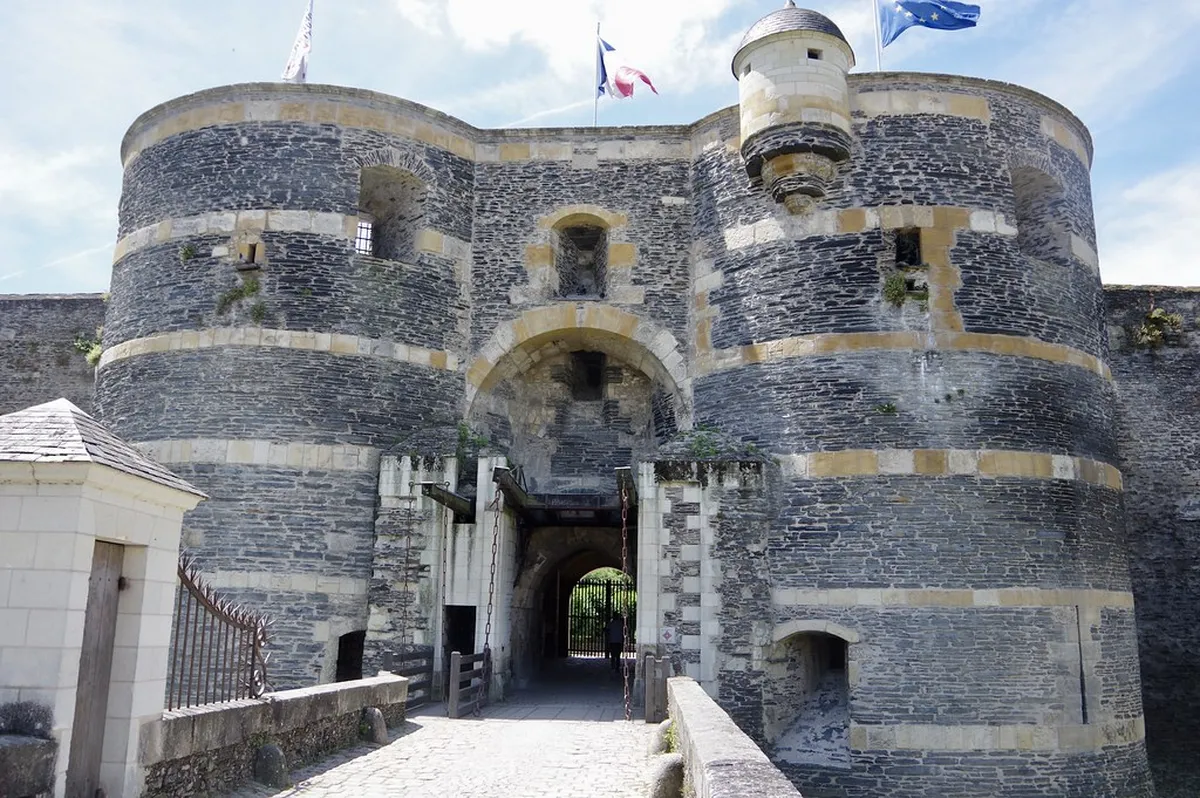
The main entrance of the castle features a complex double-gate system. This design allowed the guards to control everyone entering the fortress grounds. The drawbridge acted as the first barrier against any potential enemy attacks. It spanned a deep moat that originally surrounded the entire stone structure.
Stone pillars provided a stable foundation for the heavy wooden bridge planks. The bridge could be raised quickly if guards spotted a looming threat. This simple design kept the royal family safe for many centuries of conflict. You can still see the original stone footings during your walk around the castle.
The height of the bridge was calculated to stop scaling ladders effectively. Its position made it difficult for rams to reach the main wooden doors. This vertical defense was a standard feature in medieval French military architecture. It remains one of the best-preserved examples of such technology in Europe.
Defensive slits in the towers allowed archers to protect the bridge area. They could fire upon any enemies trying to force the heavy gates open. The layout ensured that the entrance was the most protected part of the castle. Every stone was placed with security and total defense in mind.
Angers Castle Drawbridge Design Explained: Mechanics
The mechanical system of the bridge used massive iron chains and winches. These parts were hidden inside the gatehouse to keep them safe from sabotage. Soldiers worked in shifts to operate the manual cranks during high-alert periods. The weight of the bridge required several strong men to lift it quickly.
Large counterweights helped to balance the heavy oak platform during the lifting process. This reduced the physical effort needed to move the massive wooden structure. The design allowed the bridge to be raised in just a few minutes. Such speed was essential during a surprise attack by enemy forces.
Deep grooves in the stone walls show where the chains once rested. These channels protected the metal from rust and damage during stormy weather. You can see these architectural details explored when you stand near the main gate. The precision of the stonework around these mechanisms is truly remarkable.
The pivot points used iron axles to ensure smooth and reliable rotation. These parts were regularly greased to prevent the wood from sticking or jamming. Maintenance of the drawbridge was a top priority for the castle commander. A broken bridge could mean the difference between safety and total defeat.
Materials Used in the Fortress Construction
Builders used local schist and limestone to create the iconic striped towers. The dark schist provided immense strength against impacts and heavy weather conditions. White limestone layers added a decorative touch while reinforcing the overall structure. These materials were sourced from nearby quarries to reduce transport costs.
The drawbridge platform itself consisted of seasoned oak beams for maximum durability. Oak was chosen for its natural resistance to rot and heavy weight. Iron bands were wrapped around the corners to prevent the wood from splitting. This combination of materials created a barrier that lasted for many decades.
The walkway featured a slight incline to help rainwater drain away quickly. This prevented the wood from becoming slippery and dangerous for the castle guards. Each plank was bolted down with heavy iron spikes for extra security. The construction focused on functionality rather than just simple visual beauty.
You can find similar stone patterns throughout the historical district of Angers. Many local buildings used the same quarries as the famous castle builders. This creates a cohesive look between the fortress and the surrounding city. The masonry work remains in excellent condition even after 800 years of use.
The Evolution of the Castle Gatehouse
The gatehouse changed significantly from the medieval era to the modern day. It originally featured two heavy portcullises behind the moving wooden drawbridge. These iron grids provided a secondary layer of defense if the bridge failed. They could be dropped instantly to trap intruders in the entry tunnel.
During the Renaissance, the gatehouse was modified for more comfortable royal living. Decorative windows were added to the upper floors of the stone towers. However, the core defensive features of the drawbridge were carefully maintained. The castle needed to remain a fortress even while serving as a palace.
In 2025, the gatehouse serves as the main welcome center for tourists. You can join architectural tours to see the internal winch rooms. These tours explain how the space functioned during both peace and war. It is a fascinating look at the daily lives of the soldiers.
The modern bridge is now a fixed structure for the safety of visitors. It follows the exact path of the original moving wooden platform. This allows guests to experience the same approach as ancient royal visitors. The sense of scale is truly impressive as you walk under the towers.
Modern Preservation Efforts for the Site
Restoration teams work year-round to protect the castle from environmental damage. They use traditional methods to repair the schist and limestone wall layers. This ensures that the historical integrity of the fortress remains fully intact. Preservation of the gatehouse is their most important and difficult task.
The wood on the current bridge is replaced every few decades. Specialists select high-quality timber that matches the original medieval oak species. This keeps the entrance looking authentic for the thousands of yearly visitors. Modern sealants help to protect the wood from the damp French winters.
Engineers use laser scanning to monitor the stability of the large towers. They can detect small movements in the stone before they become serious problems. This high-tech approach helps to preserve the site for many future generations. The balance of old and new techniques is key to success.
Funding for these projects comes from ticket sales and government heritage grants. Every visitor helps to support the ongoing care of this historic French monument. You can find more architecture insights by visiting the local museum. Their displays show the tools used by ancient masons and carpenters.
Visiting Angers Castle in 2025
The castle is open to the public throughout the entire year. Standard hours are from 10:00 AM to 5:30 PM for most seasons. We recommend arriving early to avoid the largest crowds of the day. The morning light provides the best photos of the striped stone walls.
Adult tickets currently cost 11 Euros for a full self-guided tour experience. Children and students often receive discounted rates with a valid identity card. You can purchase your tickets online to skip the long entry lines. This saves time and ensures you have more hours to explore.
- Wear comfortable walking shoes for the uneven stone paths.
- Bring a camera to capture the view from the ramparts.
- Check the weather forecast before you plan your outdoor walk.
- Allow at least two hours to see all the main exhibits.
The castle is located just a short walk from the train station. It is easy to reach from Paris or other major French cities. Many local cafes offer great views of the fortress from their terraces. Enjoy a meal while looking at the massive drawbridge entrance today.
Frequently Asked Questions
How did the Angers castle drawbridge work?
The bridge used a winch and chain system to lift wooden planks. This blocked the gate and left a deep gap in the path. Soldiers operated the cranks from inside the protected gatehouse towers.
Can visitors still walk across the drawbridge today?
Yes, a fixed bridge now sits where the moving part once was. It allows safe entry for all visitors into the castle interior. You can still see the original stone pivot points nearby.
What is the best time to see the castle architecture?
Late spring and early autumn offer the best weather for outdoor tours. The light is perfect for seeing the details of the schist walls. These seasons are also less crowded than the peak summer months.
Is the Angers castle accessible for all visitors?
Most of the main courtyards and the drawbridge are accessible to everyone. However, some of the high ramparts involve climbing narrow stone stairs. Please check the official website for specific accessibility details before visiting.
The Angers castle drawbridge design explained reveals the cleverness of medieval engineering. It stands as a testament to the skill of ancient French builders. Visit this iconic site in 2025 to experience history for yourself. Book your next architectural adventure to Angers today to see these amazing stone walls.
Key Takeaways
- The bridge used a complex system of chains and counterweights.
- Local schist and limestone create the unique striped tower design.
- The entrance featured multiple layers of defense for royal safety.
- Visiting in 2025 is easy with online tickets and central access.
Related reads: streetartly.com, street art and architecture in angers.