
Angers Cathedral Gothic Romanesque Influences Guide
Learn about Angers cathedral Gothic Romanesque influences in this 2025 guide. Discover the unique design and history of this French gem. Plan your trip now!
On this page
The Saint-Maurice Cathedral stands as a proud symbol of the city of Angers in western France. Visitors from around the world come to witness the stunning Angers cathedral Gothic Romanesque influences first hand. This historical landmark showcases a unique blend of architectural styles from the twelfth and thirteenth centuries. It offers a rare glimpse into the transition between two very important eras of European building design.
Construction of this massive structure began during a time of great change in French religious history. The original Romanesque foundations provided a sturdy base for the soaring Gothic additions that would come much later. You will notice how the thick stone walls meet the elegant curves of the pointed arches today. This mix creates a powerful visual effect that defines the skyline of the city in 2025.
Exploring this cathedral allows you to understand the evolution of medieval craftsmanship and artistic expression. Each stone tells a story of the builders who dedicated their lives to this grand project over centuries. The building serves as a classroom for students of art history and casual travelers alike. It remains one of the most significant examples of the Angevin style in the entire Loire Valley.
Understanding Angers Cathedral Gothic Romanesque Influences
The cathedral reflects a fascinating period when Romanesque stability began to merge with Gothic innovation. Architects in the twelfth century started experimenting with new ways to support much taller and heavier stone roofs. These early efforts resulted in the heavy masonry that you can still see in the lower walls. This solid base was essential for supporting the massive weight of the later vaulted ceilings.
As you walk around the exterior, look for the rounded arches typical of the Romanesque period. These features represent the earlier phase of construction before the Gothic style became popular across the region. The transition is not always abrupt but rather a gradual evolution of local building techniques and ideas. This unique combination is a hallmark of the medieval Angers architecture found throughout the city center.
The upper portions of the building clearly showcase the shift toward the more vertical Gothic style. You will see taller windows and more intricate stone carvings that reach up toward the sky. These elements were designed to draw the eye upward and create a sense of heavenly light and space. The builders used these features to show the power and wealth of the local religious leaders.
The Angers cathedral Gothic Romanesque influences are most visible in the way the different sections connect. You can see where the older stone blocks meet the more refined work of the later Gothic masons. This layering of history makes the building a physical timeline of architectural development in medieval France. It is a rare chance to see two major styles living together in one single structure.
Modern visitors often find the contrast between the heavy base and light top quite striking and beautiful. The cathedral does not follow the strict rules of just one single architectural school or movement. Instead, it represents the practical choices made by builders over a long period of active construction. This creates a balanced look that is unique to this specific part of the French countryside.
The Unique Design of the Angevin Gothic Vaults
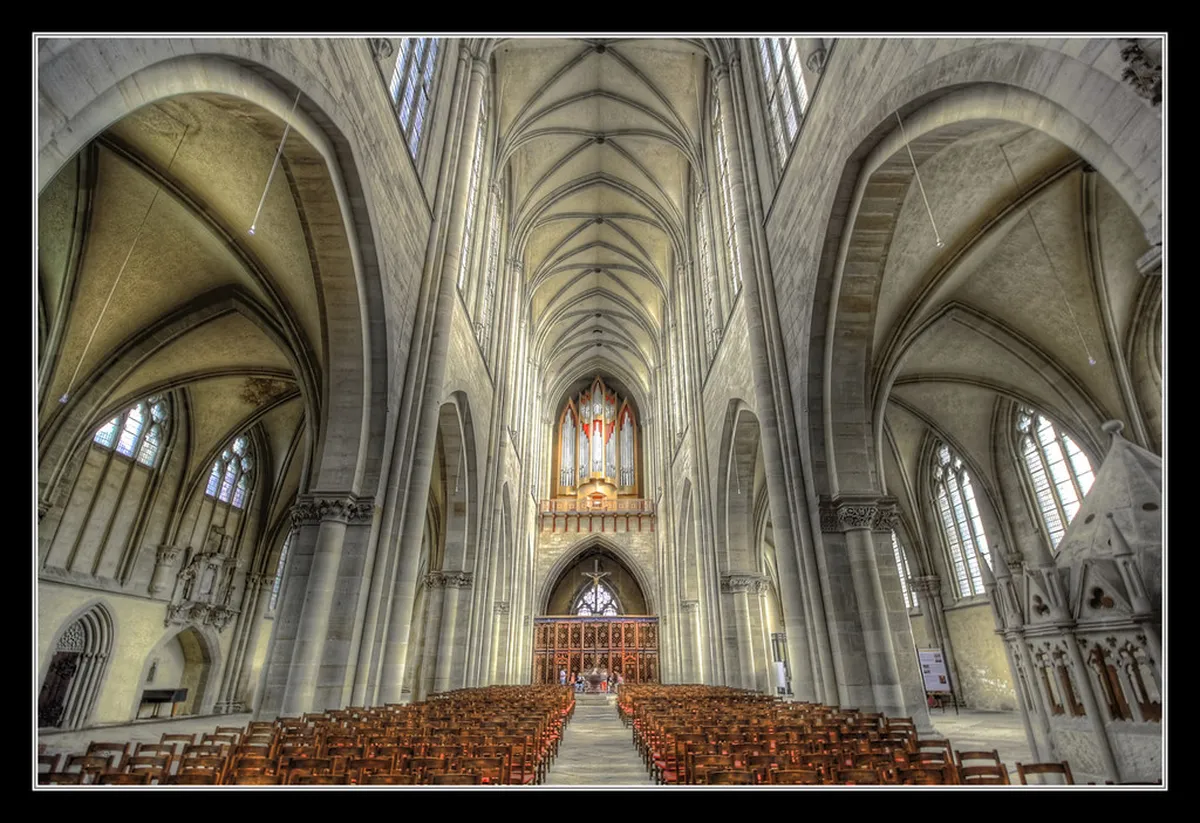
One of the most famous features of the interior is the collection of large Angevin Gothic vaults. These vaults are different from the ones found in Paris because they are much more rounded in shape. They almost look like domes but still use the pointed ribs that define the Gothic movement. This specific Angers Cathedral Design allows for an incredibly wide and open interior space.
The single nave layout means there are no side aisles to block your view of the altar. This creates a massive hall that feels both intimate and grand at the same time for all. The width of the nave is over sixteen meters which was a great engineering feat for that time. Such a large span required careful planning and the use of very strong stone materials.
The height of the vaults reaches nearly twenty-five meters above the ancient stone floor of the cathedral. This height provides excellent acoustics for the many choir performances and organ recitals held here each year. The ribs of the vaults carry the weight of the roof down to the thick outer walls. This system removed the need for the large flying buttresses found on other famous French cathedrals.
Each vault section is decorated with intricate carvings and artistic details that reward those who look up. These designs were meant to represent the order and beauty of the universe as understood in medieval times. The light from the high windows hits the stone curves and creates soft shadows throughout the day. It is a peaceful place to sit and reflect on the history of the city.
Architects in the year 2025 still study these vaults to understand how they have stayed so stable. The dome-like shape provides extra strength against the forces of gravity and the wind outside. This durability has allowed the cathedral to survive wars and weather for over eight hundred years now. It remains a masterpiece of regional engineering that continues to inspire modern builders and designers.
The Romanesque West Portal and Stone Sculptures
The west portal serves as the main entrance and a major highlight for every visitor to the site. It features a rich collection of Romanesque sculptures that date back to the middle of the twelfth century. These figures represent religious scenes and characters that were used to teach the public about the faith. The central figure of Christ is surrounded by symbols representing the four authors of the gospels.
This portal is one of the best examples of historic Angers building styles that still exist today. The statues have long, thin bodies that were common in the art of that specific time period. You can still see traces of the original paint that once covered the entire facade of the building. This would have made the entrance look incredibly vibrant and colorful to people in the middle ages.
The arches above the doorway are filled with smaller figures known as the elders of the apocalypse. Each figure is carved with distinct facial expressions and holds a different musical instrument or a golden bowl. The level of detail achieved by these ancient masons is truly impressive to see in person. It takes time to notice all the small stories hidden within the vast stone structure.
Weather and time have worn some of the stone but the beauty of the work remains very clear. Recent preservation efforts have helped to stabilize the delicate carvings and protect them from further damage. You can now view these masterpieces from a close distance to appreciate the skill of the craftsmen. The portal acts as a bridge between the street and the sacred world inside the cathedral.
Photographers often visit the portal during the late afternoon when the sun hits the stone at an angle. This light highlights the textures and depths of the carvings for the best possible pictures of the site. The entrance remains one of the most photographed spots in the entire city of Angers for tourists. It provides a perfect introduction to the architectural wonders that wait for you inside the doors.
Stained Glass and Interior Gothic Details
The cathedral is home to some of the oldest and most beautiful stained glass windows in all of France. Some pieces of the glass date back to the middle of the twelfth century and are very rare. The colors are deep and rich with blues and reds that seem to glow in the sunlight. These windows tell stories from the lives of saints and various biblical events for the faithful.
The large rose window in the transept is a masterpiece of late Gothic design and artistic vision. It features complex patterns of stone tracery that hold hundreds of small pieces of colored glass in place. The light passing through this window creates changing patterns on the floor as the sun moves. It is a dynamic display of color that changes with the seasons and the time of day.
Inside the choir area you will find the grand organ which has been restored many times over years. The pipes are arranged in a way that complements the Gothic arches surrounding the musical instrument. During the summer months you can often hear the organ being played during public practice sessions. The sound fills the entire nave and adds to the spiritual atmosphere of the building.
The walls are decorated with large tapestries that depict the life of Saint Maurice and other local figures. These textiles were once used to help keep the large stone building warm during the cold winter months. Today they serve as important historical artifacts that show the textile skills of the local Angers people. They add a soft texture to the hard stone environment of the interior space.
You should also visit the treasury to see the collection of gold and silver religious objects kept there. These items reflect the high level of wealth and power the cathedral held in the local region. Many of these pieces were used in important ceremonies that have taken place here for centuries. The treasury is a small museum within the cathedral that requires a separate look.
Planning Your Visit to Angers Cathedral in 2025
Visiting the Saint-Maurice Cathedral is a simple and rewarding experience for anyone traveling through the Loire Valley region. The site is located at Place Freppel right in the heart of the historic center of the city. It is open every day from 9 AM to 7 PM for tourists and for worship. Entry to the main nave of the cathedral is free for all visitors throughout the year.
You should allow at least one hour to see the main architectural features and the stained glass windows. If you enjoy history you might want to spend more time studying the street art and architecture in Angers nearby. The area around the cathedral is full of half-timbered houses and narrow streets that are perfect for exploring. It is a very walkable part of the city with many small shops and cafes.
The cathedral is located near the famous Chateau d'Angers which houses the massive Apocalypse Tapestry from the medieval era. Combining these two sites makes for a perfect day of historical discovery in this beautiful French city. You can purchase a joint ticket if you wish to see the specialized museum sections of both landmarks. This is a great way to save money while seeing the best sights in town.
Guided tours are available in several languages during the peak tourist season from June through the month of September. These tours provide deep insights into the Angers cathedral Gothic Romanesque influences and the local history. You can book a spot at the tourist office located just a few blocks from the cathedral entrance. Checking the schedule online before you arrive is always a good idea to avoid any disappointment.
The best time to visit is early in the morning when the crowds are smaller and light is soft. This allows you to experience the quiet majesty of the space without the noise of many other tourists. Please remember to dress respectfully as the cathedral is still an active place of worship for the local community. Photography is allowed but you should not use a flash or disturb those who are praying.
Frequently Asked Questions
What is the main architectural style of Angers Cathedral?
The cathedral is primarily known for the Angevin Gothic style which is a regional variation of Gothic architecture. It also features significant Romanesque elements in its foundations and the famous west portal statues. This blend of styles makes it a unique landmark in the history of French building design.
Can you visit Angers Cathedral for free in 2025?
Yes you can enter the main nave of the cathedral without paying any entrance fee during public hours. There may be a small charge if you wish to visit the treasury or join a guided tour. The cathedral remains open to everyone as a place of both history and active religious worship.
How long does it take to see the cathedral?
Most visitors spend about forty-five minutes to one hour exploring the interior and the exterior portal. If you wish to study the stained glass or the tapestries you should plan for ninety minutes. The site is conveniently located near other major attractions in the historic center of Angers.
Why are the vaults in Angers different from Paris?
The Angevin vaults are much more curved and dome-like than the flatter vaults found in the Paris region. This design allowed builders to cover wider spaces without using the external flying buttresses common in other Gothic buildings. It represents a specific regional engineering solution that creates a very open and bright interior feel.
The Saint-Maurice Cathedral is a true architectural treasure that showcases the best of French medieval design and craft. Its unique Angers cathedral Gothic Romanesque influences offer a deep look into the artistic evolution of the Loire Valley. Whether you are a history buff or a casual traveler this site will surely leave a lasting impression. Plan your trip to Angers in 2025 to experience this magnificent landmark for yourself today.
Key Takeaways
- Identify the rare transition from Romanesque to Angevin Gothic styles.
- View the twelfth-century stained glass which is among the oldest in France.
- Experience the massive open nave made possible by unique vaulted engineering.
- Visit the west portal to see some of the finest Romanesque stone carvings.
Related reads: streetartly.com, saint maurice cathedral angers architectural style, interior architecture angers cathedral facts.