
Discovering Antibes Fortifications History in 2025
Uncover Antibes fortifications history, from Roman origins to Vauban's genius. Plan your visit to these impressive defenses in 2025.
On this page
Antibes, a stunning French Riviera gem, boasts a rich past. Its impressive Antibes fortifications history dates back millennia. These ancient walls tell tales of invasions and defense. Visitors in 2025 can still explore these formidable structures. Prepare to step back in time.
Understanding these fortifications reveals Antibes' resilience. From Greek trading posts to Roman strongholds, the city evolved. The defensive structures adapted with each era. Join us on a journey through this captivating heritage.
Roman Roots and Early Defenses in Antibes
The story of Antibes fortifications history begins with ancient Antipolis. Greeks established a trading post around the 4th century BC. Roman influence later transformed it into a strategic city. Early defenses were basic, likely earthworks and simple palisades.
Romans solidified these early protections significantly. They built robust stone walls to guard their thriving port. These initial fortifications offered defense against various threats. You can still see traces of these ancient foundations today. They form the bedrock of later structures.
This era laid the groundwork for future development. Roman engineering proved durable and effective. The city's location on the coast made strong defenses essential. Understanding these origins enriches any visit. It highlights the long strategic importance of Antibes.
Medieval Transformations and Castle Building
After the Roman Empire's fall, Antibes faced new challenges. Barbarian incursions necessitated stronger defenses. The medieval period saw significant fortification upgrades. Local lords enhanced existing walls and built new towers.
The Grimaldi family heavily influenced Antibes during this time. They constructed the Château Grimaldi in the 12th century. This castle became a vital part of the city's defense. Its strong walls protected the inhabitants. Today it houses the Picasso Museum.
Medieval Antibes was a walled city, constantly preparing for siege. The narrow streets and tall buildings added to its defensive capabilities. Gateways controlled access into the town. These medieval Antibes fortifications showcased feudal power. They protected trade and residents alike.
Vauban's Masterpiece: Fort Carré
The 17th century brought significant advancements in siege warfare. France needed stronger, more sophisticated defenses. This led to the genius of Sébastien Le Prestre de Vauban. He was King Louis XIV's military engineer.
Vauban revolutionized military architecture across France. His star-shaped designs were highly effective. Fort Carré, located just north of Old Antibes, is his brilliant creation. Construction began in the late 1600s. It stands as a testament to his innovative approach.
The fort's design features four bastions. These allowed for overlapping fields of fire. Its walls are angled to deflect cannon fire. A deep ditch further protected the structure. Exploring the architecture of Fort Carré in Antibes is fascinating. Guided tours are available in 2025.
Fort Carré never directly engaged in major battles. Its very presence deterred potential invaders. It served as a powerful symbol of French strength. The fort offers incredible panoramic views. You can see the coastline and the Alps.
The Historic Ramparts of Old Antibes
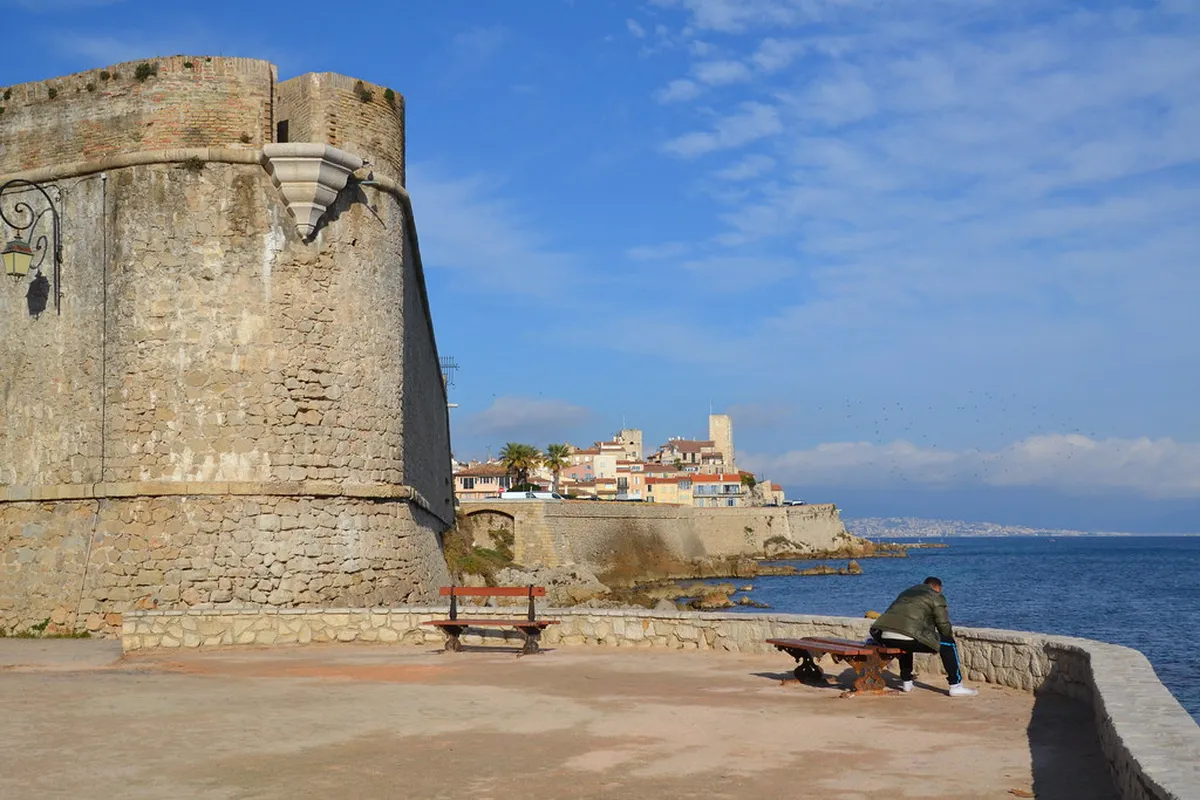
The seaward ramparts define Old Antibes' iconic skyline. These impressive walls stretch along the Mediterranean coast. They once protected the city from naval attacks. Walking these ramparts offers stunning views today.
Many sections of the ramparts date back to medieval times. Vauban also reinforced and modernized them. His work ensured robust defense against cannons. The ramparts integrate seamlessly with the town. They are a beloved feature of the city.
Start your exploration near the Port Vauban marina. Walk south along the Promenade Amiral de Grasse. You'll pass historic doorways and viewpoints. The ramparts merge with the Château Grimaldi. This entire area forms a defensive marvel.
Consider dedicating a full afternoon to this experience. Admission to walk the ramparts is free. Guided tours sometimes offer deeper insights. Learn more about exploring the ramparts of Old Antibes. It's a must-do activity for history buffs.
Key Defensive Features and Gates
Beyond the main walls, Antibes featured several key defenses. These included strategic gates and watchtowers. Each element played a crucial role. They controlled entry and provided early warnings.
The Porte Marine was once a primary gate. It offered access from the sea and port. Other gates like Porte de l'Orme protected landward approaches. These entry points were heavily fortified. They often featured drawbridges or portcullises.
Bastions, projecting sections of the walls, allowed flanking fire. Sentinels kept constant vigil from elevated positions. Artillery batteries were strategically placed. These ensured comprehensive coverage around the city. Every detail served a defensive purpose.
You can still find remnants of these gates today. Some have been integrated into modern buildings. Others stand as historic markers. Look for plaques detailing their past importance. These features highlight the intricate Antibes fortifications history.
Preserving Antibes Fortifications for the Future
The preservation of Antibes fortifications is an ongoing effort. Local authorities and heritage groups work tirelessly. They aim to protect these historical treasures. This ensures future generations can appreciate them.
Restoration projects address aging stone and erosion. Funds are allocated for careful maintenance. These efforts keep the walls stable and safe. Visitors contribute by respecting the sites. Tourism helps fund these vital activities.
Understanding the history of Antibes city walls and defenses is important. It connects us to a vibrant past. These structures are not just old stones. They are living monuments to human resilience. Plan your visit to experience them firsthand in 2025.
Consider supporting local initiatives during your trip. Visiting museums and taking guided tours helps. These actions ensure the fortifications remain. They stand as a proud part of Antibes' identity. Help keep this legacy alive.
Frequently Asked Questions
What are the best places to see Antibes fortifications?
The best places include Fort Carré and the ramparts of Old Antibes. The ramparts are free to walk. Fort Carré has an entry fee of around 3€ in 2025. You can also explore historical sections near Port Vauban.
How much time should I allocate to explore the Antibes city walls?
Allocate at least half a day to walk the Old Antibes ramparts. If visiting Fort Carré, allow another 2-3 hours. This includes travel and exploration time. A full day allows for a comprehensive experience.
Are there guided tours available for Antibes' historical defenses?
Yes, guided tours are often available for Fort Carré. Check their official website for schedules. Local tourism offices in Antibes also offer city tours. Some tours highlight the historic Antibes architecture and walls.
What is the historical significance of Antibes' fortifications?
These fortifications protected Antibes for centuries. They deterred invaders from both land and sea. Their evolution reflects military advancements. The walls signify the city's strategic importance.
Can I access the ramparts for free in Antibes?
Yes, walking the historic ramparts of Old Antibes is completely free. This allows everyone to enjoy the views. You can access them from various points along the coast. It's a fantastic way to experience the city's past.
The Antibes fortifications history offers a compelling narrative. It spans millennia of defense and innovation. From Roman foundations to Vauban's genius, these walls tell a story. They invite visitors to step into the past. Plan your trip for 2025.
Exploring Fort Carré and the Old Antibes ramparts is essential. It provides a deeper appreciation for this coastal gem. Remember to respect these ancient structures. They stand as enduring symbols of resilience. Discover the fortified spirit of Antibes.
Key Takeaways
- Explore Fort Carré for Vauban's impressive military architecture.
- Walk the Old Antibes ramparts for stunning sea views and history.
- Visit during spring or fall for pleasant weather and fewer crowds.
- Check local tourist information for guided tours and opening times.
- Appreciate the diverse layers of history, from Roman to modern times.
Related reads: streetartly.com.