
Uncovering the Architecture of Fort Carré in Antibes
Explore the impressive architecture of Fort Carré in Antibes, a masterpiece of 16th-century military design. Discover its history and planning your 2025 visit.
On this page
Fort Carré stands proudly over Antibes, a remarkable example of military engineering. This historic fortress boasts a unique architectural style. Its robust design protected Antibes for centuries. Understanding its structure reveals fascinating insights. Prepare to explore the rich Antibes fortifications history during your 2025 visit.
The Strategic Design and Evolution of Fort Carré
Fort Carré's initial construction began in the 16th century. King Henry II commissioned its early form. It served as a critical defense against invaders. Its location on Saint-Roch peninsula offered clear views. This strategic spot overlooked the coastline and port.
The fort's design evolved over many years. Its original purpose was to guard the city of Antibes. Successive military architects refined its features. Each modification strengthened its defensive capabilities. The unique star shape became a prominent characteristic.
Later, military engineer Vauban significantly transformed the fort. His 17th-century additions were revolutionary. Vauban implemented advanced defensive strategies. He created a truly formidable fortress. These changes made Fort Carré a bastion of protection.
Key Architectural Elements of Fort Carré
The star-shaped design is Fort Carré's signature. This intricate plan allowed for crossfire against attackers. Four prominent bastions project from its core. They are named Antibes, France, Corsica, and Nice. Each bastion offered strategic vantage points.
High curtain walls connect these powerful bastions. These thick stone walls provided excellent protection. They were designed to withstand heavy artillery fire. Deep dry moats further encircled the fort's perimeter. These moats created an additional barrier against assault.
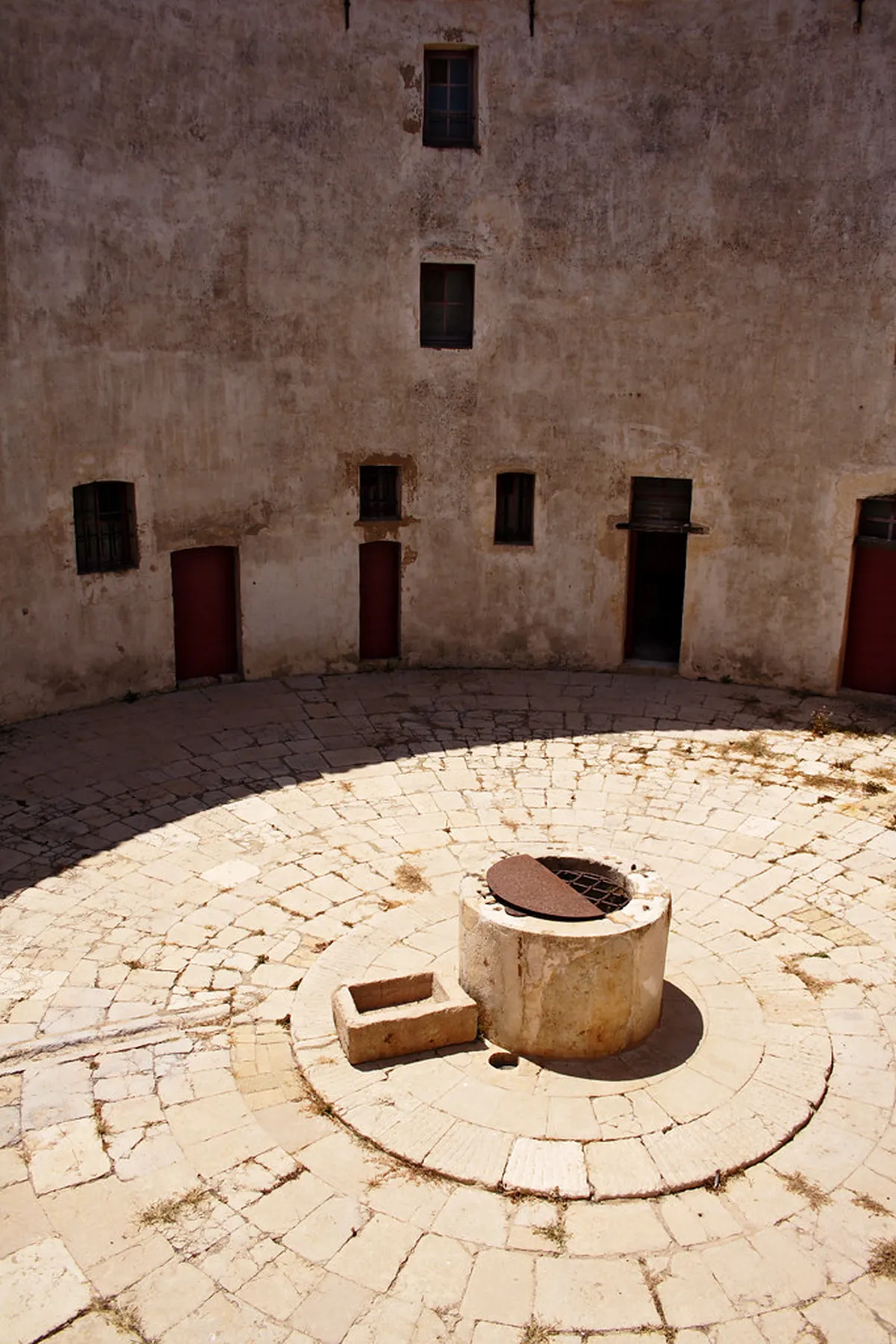
Inside, visitors find a central courtyard and barracks. The commander's lodging is also present. Storage facilities held essential supplies. These internal structures supported a large garrison. Every element served a military function. Discover more about historic Antibes architecture during your visit.
Vauban's Masterpiece: Engineering Brilliance
Sébastien Le Prestre de Vauban, a brilliant engineer, redesigned Fort Carré. His work in the late 17th century was transformative. Vauban applied his principles of
Key Architectural Elements of Fort Carré
The star-shaped design is Fort Carré's signature. This intricate plan allowed for crossfire against attackers. Four prominent bastions project from its core. They are named Antibes, France, Corsica, and Nice. Each bastion offered strategic vantage points.
High curtain walls connect these powerful bastions. These thick stone walls provided excellent protection. They were designed to withstand heavy artillery fire. Deep dry moats further encircled the fort's perimeter. These moats created an additional barrier against assault.
Inside, visitors find a central courtyard and barracks. The commander's lodging is also present. Storage facilities held essential supplies. These internal structures supported a large garrison. Every element served a military function. Discover more about historic Antibes architecture during your visit.
Vauban's Masterpiece: Engineering Brilliance
Sébastien Le Prestre de Vauban, a brilliant engineer, redesigned Fort Carré. His work in the late 17th century was transformative. Vauban applied his principles of "fortification in depth." This involved multiple layers of defense. He created a system that made assaults incredibly difficult.
Vauban introduced features like glacis and ravelins. A glacis is a sloped earthwork for better visibility. Ravelins are triangular outworks protecting gateways. These additions significantly enhanced the fort's resilience. His designs became the standard for military architecture.
His influence is clear throughout Fort Carré's structure. The careful angles and robust construction speak to his genius. Vauban's upgrades made the fort virtually impregnable. This military marvel showcases his enduring legacy. It stands as a testament to his engineering prowess.
Visiting Fort Carré in 2025: Practical Details
Fort Carré welcomes visitors throughout the year 2025. It offers guided tours exploring its architecture and history. Tours provide access to ramparts and key internal areas. Expect breathtaking panoramic views of Antibes. The sea vistas are truly spectacular.
Operating Hours: The fort is generally open from 10:00 AM to 5:00 PM. Hours can vary seasonally. Always check the official website before your visit. Guided tours typically run every hour or two.
Ticket Prices: Entrance fees usually cost around 3-5 euros per person. Discounted rates are available for children and seniors. Group rates may also be offered. Consider booking tickets online in advance, especially during peak season. You can explore the ramparts of Old Antibes afterwards.
Location & Access: Fort Carré is located at Avenue du 11 Novembre, Antibes. It's a pleasant walk from Antibes Old Town. Parking is available nearby for those driving. Wear comfortable shoes for walking and climbing steps.
Frequently Asked Questions
What is the primary architectural style of Fort Carré?
Fort Carré primarily features a star-shaped bastion trace design. This style is characteristic of 16th and 17th-century military architecture. It was heavily influenced by French military engineer Vauban. This design allowed for optimal defense and crossfire.
Who designed the significant modifications to Fort Carré?
Sébastien Le Prestre de Vauban, a famous French military engineer, designed the most significant modifications. He implemented his advanced fortification principles. These changes occurred in the late 17th century. His work transformed Fort Carré into a formidable fortress.
Are there guided tours available to explore the fort's architecture?
Yes, Fort Carré offers regular guided tours. These tours highlight the fort's architectural features. They also delve into its rich history. Knowledgeable guides provide valuable insights. Tours are a great way to understand its complex design.
Fort Carré stands as a magnificent testament to military architecture. Its star-shaped design and robust features are impressive. Vauban's genius transformed it into a masterpiece of defense. Visiting this site offers a deep appreciation for its history. Plan your 2025 trip to Antibes. Experience this incredible fortress firsthand. Immerse yourself in the enduring history of Antibes' city walls and defenses.
Key Takeaways
- Fort Carré showcases 16th-17th century military architecture, particularly Vauban's influence.
- Its star-shaped design and bastions are key defensive features.
- Plan a guided tour in 2025 for detailed insights and panoramic views.