
Discover Key Architectural Features of Antibes Buildings
Explore key architectural features of Antibes buildings in 2025. Discover historic styles, charming facades, and essential tips. Plan your visit today!
On this page
Antibes boasts a rich architectural heritage. Its buildings tell stories of centuries past. Understanding these key architectural features of Antibes buildings enhances your visit. This guide explores the diverse styles you will encounter. Get ready to discover Antibes' unique charm in 2025.
Medieval and Renaissance Charm in Old Antibes
Old Town Antibes features narrow, winding streets. These pathways reveal its medieval roots. Stone structures stand proudly from earlier centuries. They offer a glimpse into the city's long history.
You will find many beautiful arched doorways. Thick stone walls speak of fortified residences. Renaissance influences became prominent later. This period brought more refined detailing. This section highlights some key architectural features of Antibes buildings from this era.
One prime example is the Grimaldi Castle. It now houses the famous Picasso Museum. The castle blends medieval defense with Renaissance elegance. Its grand structure dominates the old town skyline. Explore its historic courtyards and art collections.
Wander through the Vieil Antibes neighborhood. You will discover charming, hidden courtyards. Many buildings feature original stonework. These details are a testament to ancient craftsmanship. Explore medieval architecture in Old Town Antibes on a walking tour. Consider visiting in late spring for pleasant weather.
Impressive Fortifications and Military Structures
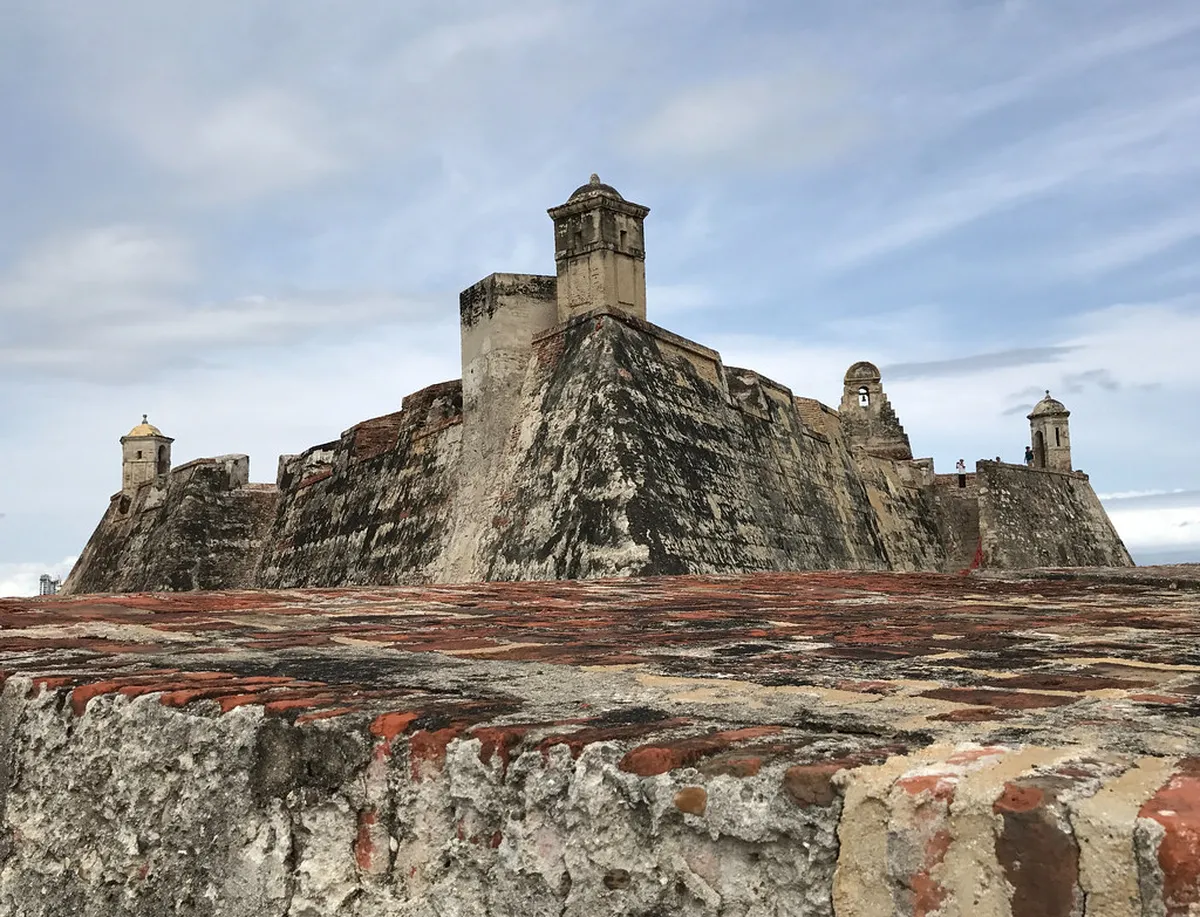
Antibes proudly displays its formidable defenses. The 17th-century ramparts are particularly striking. Engineer Vauban significantly enhanced these structures. They protected the city from naval attacks.
Fort Carré stands as a magnificent example. This star-shaped fort sits atop Saint-Roch peninsula. Its design was revolutionary for its time. You can walk around its impressive walls.
These fortifications offer stunning views. Look out over the Mediterranean Sea and Port Vauban. Imagine soldiers guarding the coast centuries ago. The fort truly showcases military architectural prowess. Guided tours are available for around 3 euros per person.
Visiting Fort Carré is highly recommended. It opens daily except Tuesdays. Check specific times for 2025 before your visit. Learn about the history of Antibes' fortifications. This gives valuable insight into its strategic importance.
Vibrant Facades and Traditional Materials
The buildings of Antibes are wonderfully colorful. Ochre, terracotta, and soft pastel hues are common. These vibrant facades brighten the narrow streets. They reflect the sunny French Riviera lifestyle.
Local stone remains a primary building material. It provides durability and a rustic charm. Red clay roof tiles are also characteristic. These materials blend perfectly with the natural landscape.
Many buildings feature intricate decorative elements. You will see ornate iron balconies. Painted wooden shutters add splashes of color. These details contribute significantly to the key architectural features of Antibes buildings. Each house feels uniquely charming.
Notice the subtle variations in plasterwork. Some facades have weathered beautifully over time. Others display fresh, lively coats of paint. This blend of old and new maintains a timeless appeal. Seek out the most photogenic spots near the Marché Provençal.
Belle Époque Villas and Modern Architectural Blends
Cap d'Antibes offers a different architectural experience. Here, grand Belle Époque villas dominate the landscape. These luxurious homes date from the late 19th and early 20th centuries. They showcase elaborate designs and expansive gardens.
Look for ornate balustrades and intricate carvings. Large windows capture the stunning sea views. Hôtel du Cap-Eden-Roc exemplifies this opulence. It remains a legendary landmark today. Private estates dot the entire peninsula.
Antibes also embraces modernist touches. New developments feature sleek lines and functional designs. These contemporary buildings integrate with older styles. They often use glass and steel alongside traditional stone.
The city's architecture is a fascinating blend. It moves from ancient fortifications to modern living spaces. This diversity makes Antibes visually rich. Discover more about modern architecture in Antibes. You can see these contrasts clearly along the coast.
Exploring Notable Buildings in Antibes
Several buildings stand out in Antibes. The Picasso Museum, formerly Grimaldi Castle, is iconic. It displays centuries of history through its walls. Art and architecture merge beautifully inside.
The Cathédrale Notre-Dame-de-l'Immaculée-Conception is another gem. Its bell tower dominates the Old Town. The cathedral features Romanesque and Baroque influences. Step inside for a moment of quiet reflection.
The Marché Provençal offers a functional beauty. Its covered market structure is vibrant and lively. The bustling atmosphere adds to its charm. Visit early mornings for the best experience. It's a key part of daily Antibes life.
Do not miss the Phare de la Garoupe. This lighthouse provides panoramic views of the coast. Its simple, robust design is impressive. These famous Antibes buildings offer diverse architectural insights. Plan your walking route to see them all.
Frequently Asked Questions
What are the most distinctive key architectural features of Antibes buildings?
Antibes buildings showcase several key features. Expect to see medieval stone walls and arched doorways. Renaissance elegance and colorful facades are also prominent. Vauban's impressive fortifications define the skyline.
Additionally, you will find opulent Belle Époque villas. Modern designs blend with historic structures. These varied elements create a rich architectural tapestry.
Can I find modern architecture examples in Antibes?
Yes, Antibes features modern architecture. You can see it in newer developments. Look for sleek lines and contemporary materials. These designs often contrast sharply with older buildings.
Cap d'Antibes also has some modern villas. They sit alongside the traditional Belle Époque mansions. Exploring different districts reveals this blend of styles.
What materials were traditionally used for Antibes buildings?
Traditional Antibes buildings primarily use local stone. This provides strength and a rustic aesthetic. Red clay roof tiles are another common material. They add warmth and color to the rooftops.
Plaster and stucco often cover the stone facades. These are then painted in vibrant Mediterranean hues. Wooden shutters also contribute to the traditional look.
Antibes offers a captivating architectural journey. From ancient ramparts to grand villas, its diversity is striking. Pay attention to the details in every building. These key architectural features of Antibes buildings reveal its unique story. Plan your exploration of this charming French Riviera gem today.
Key Takeaways
- Explore Old Town for medieval and Renaissance structures.
- Visit Fort Carré to experience historical military architecture.
- Observe colorful facades and traditional materials throughout the city.