
Arles Architecture Tour: Map, Guide & Self-Paced Routes
Discover Arles architecture with our detailed tour map and guide for 2025. Uncover ancient Roman and medieval sites. Plan your perfect self-guided tour!
On this page
Arles, France, offers a captivating journey through history. This city boasts incredible architecture spanning centuries. Our Arles architecture tour map and guide helps you explore its unique heritage. Prepare for an unforgettable self-guided adventure in 2025.
The Enduring Grandeur of Roman Arles Architecture
Arles holds a rich legacy from the Roman Empire. Its architectural marvels are UNESCO World Heritage sites. These structures showcase ancient engineering skill. They offer a direct window into a powerful past.
Start your exploration at the Arles Amphitheatre. This ancient arena once hosted gladiator fights. It remains remarkably preserved for visitors in 2025. Nearby, the Roman Theatre offers stunning views.
The Cryptoporticus provides a unique underground experience. These hidden galleries supported the forum above. Imagine ancient Arles bustling over your head. The Baths of Constantine show Roman daily life.
Visiting these sites requires an entrance fee. A combined ticket offers good value. Check official websites for current prices and hours. Plan your visit for early mornings or late afternoons.
These sites are integral to any Arles architecture tour. They highlight the city's significant Roman influence. Learn more about these incredible structures in our Arles Roman Architecture Guide. Dive deep into ancient history.
Exploring Medieval Buildings in Arles on Foot
Beyond its Roman past, Arles flourished in the Middle Ages. Medieval buildings line the narrow, winding streets. This era brought new architectural styles to the city. Discover charming squares and historic churches.
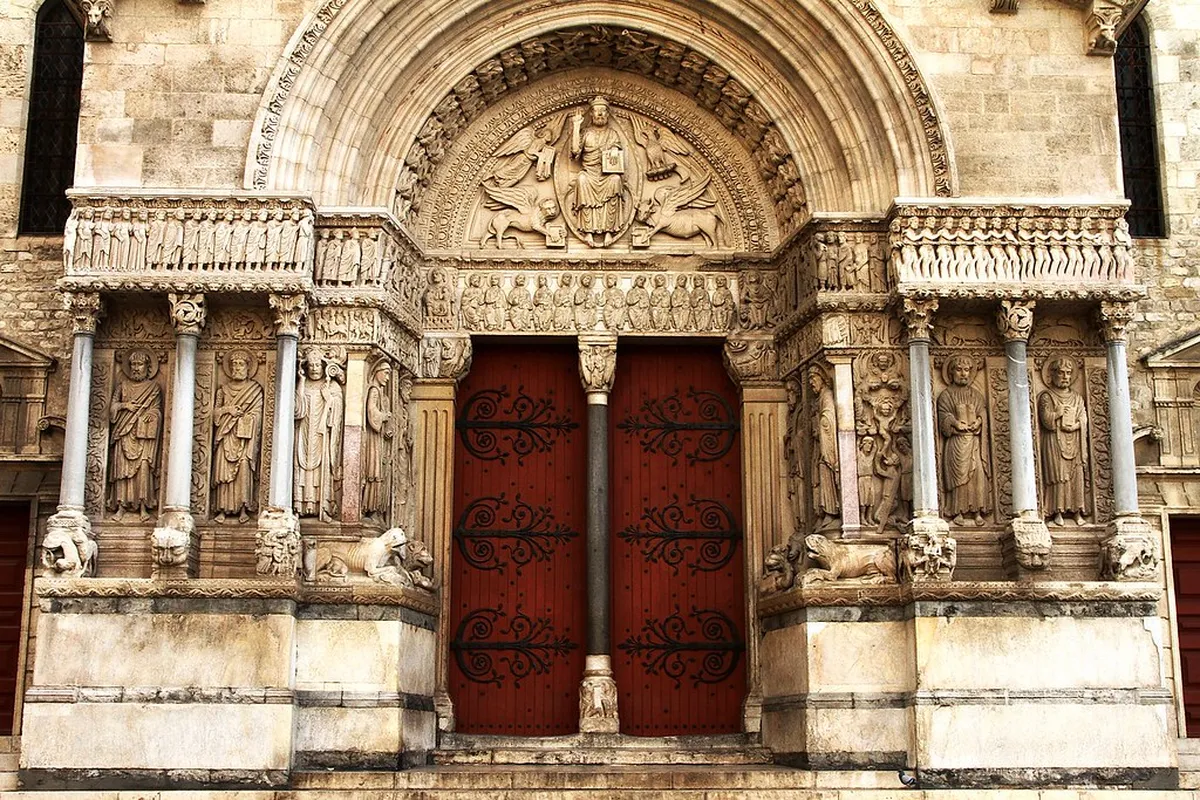
The Cathédrale St-Trophime is a medieval masterpiece. Its Romanesque portal features intricate carvings. The cloister is equally stunning with sculpted columns. Admission to the cloister has a small fee.
Wander through Place de la République. Here, you will find the Hôtel de Ville. This elegant Town Hall dates back to the 17th century. Its classical design stands proudly.
Many smaller churches and convents dot the city. They reveal different medieval construction techniques. Look for ornate doorways and hidden courtyards. These details tell fascinating stories of past residents.
A self-guided tour allows you to set your own pace. Wear comfortable shoes for walking on cobblestones. This part of your Arles architecture tour offers quiet beauty. Explore medieval buildings in Arles on foot for a deeper connection.
Modern Architectural Gems and Hidden Spots
Arles is not only about ancient history. It also embraces innovative modern architecture. New developments blend seamlessly with old structures. These contemporary additions bring fresh perspectives.
The Luma Arles complex is a striking example. This cultural campus features a Frank Gehry-designed tower. Its reflective panels twist skyward. It offers an amazing contrast to older buildings.
Luma Arles often hosts art exhibitions. Explore its various buildings and art installations. Entry to some areas might be free. Check their schedule for current events in 2025.
Beyond Luma, seek out other subtle modern touches. Renovated homes and converted warehouses add charm. Keep an eye out for unique architectural details. These spaces contribute to the city's evolving landscape.
This modern side adds another layer to your Arles architecture tour. It shows the city's continuous evolution. Discover more about contemporary design with our hidden architectural gems Arles guide. Find true inspiration here.
Practical Tips for Your Arles Architecture Tour
Planning your Arles architecture tour carefully helps. The best times to visit are spring and fall. These seasons offer pleasant weather. They also have fewer crowds compared to summer.
Wear extremely comfortable walking shoes. You will cover significant ground on foot. Many streets are cobblestone and uneven. Hydration is also very important, especially in warmer months.
Consider purchasing an Arles Pass for savings. This pass grants access to multiple museums and monuments. It can be cost-effective for intensive sightseeing. Check the 2025 prices online before your trip.
Utilize a reliable map, either digital or paper. Many sites are close together, but navigation helps. Local tourist offices provide excellent resources. They can offer insights for your journey.
Allow plenty of time for each site you visit. Rushing diminishes the experience. Take breaks at local cafes or markets. For more detailed routes, consult a self-guided architecture tours Arles resource. Enjoy your architectural adventure.
Frequently Asked Questions
How long does an Arles architecture tour typically take?
A comprehensive Arles architecture tour typically takes one to two full days. You can focus on Roman sites on day one. Dedicate day two to medieval and modern areas. It depends on your pace and interest.
Are there any free self-guided architecture tours in Arles?
Yes, many parts of an Arles architecture tour can be free. Walking through the historic city streets is free. You can admire exterior facades of many buildings. Entrance fees apply for internal access to major monuments like the Arena.
What is the best way to navigate Arles for architecture lovers?
The best way to navigate Arles for architecture is on foot. The city center is compact and walkable. Most major sites are within easy reach. Use a good map and wear comfortable shoes for exploration.
Arles truly stands as an architectural marvel. Its blend of Roman, medieval, and modern styles is unique. Use this Arles architecture tour map and guide for your visit. Create lasting memories in this historic French city.
Key Takeaways
- Arles offers diverse architecture, from Roman to modern masterpieces.
- Self-guided tours allow flexible exploration at your own comfortable pace.
- Wear comfortable shoes and carry a map for optimal navigation.