
Arles Roman Architecture Guide: Uncovering Ancient Wonders
Explore the incredible Arles Roman architecture. Our 2025 guide reveals ancient monuments, history, and top visiting tips. Plan your trip now!
On this page
Arles, France, stands as a living museum. Its rich history dates back to Roman times. The city boasts an impressive collection of ancient sites. Visitors flock here to witness stunning Arles Roman architecture. This guide helps you explore these magnificent ruins.
You will discover powerful amphititheatres and sacred necropolises. Prepare to step back in time. Arles offers an unparalleled journey into the past. Experience the grandeur of the Roman Empire firsthand.
The Iconic Arles Amphitheatre: Roman Arena
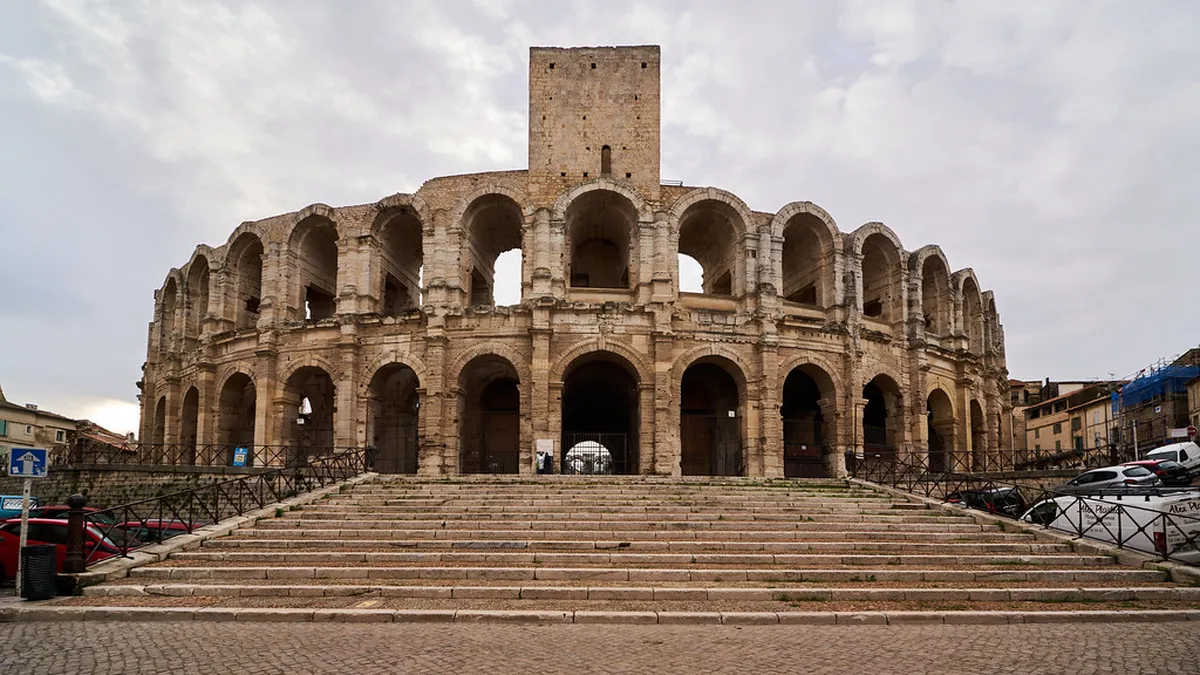
The Arles Amphitheatre, or Arena, dominates the cityscape. This colossal structure once held 20,000 spectators. Gladiatorial contests and chariot races entertained crowds. It dates back to 90 AD.
Today, the Arena remains a vibrant cultural hub. It hosts bullfights and various festivals each year. The Arles Feria is a famous event. Check the schedule for 2025 cultural programs.
Visiting hours for the Arena are seasonal. Expect longer hours in summer months. Entrance costs around €10 for adults. Consider the Arles Pass for better value.
Climb to the top tiers for panoramic views. You can see the entire city stretched out. Imagine the roar of the ancient crowds. It's truly a breathtaking experience.
Explore the intricate corridors and arches. This monument showcases incredible Roman engineering. It is one of the best preserved Roman monuments in Arles. Spend at least an hour wandering inside.
Arles Ancient Theatre: A Stage Through Time
Close to the Arena lies the Ancient Theatre. Emperor Augustus commissioned its construction. It served as a grand venue for plays and music. The theatre once seated 10,000 people.
Only two elegant marble columns still stand tall. These columns provide a glimpse of its former glory. The stage wall has largely disappeared. You can still envision its past splendor.
Modern-day Arles utilizes this historic space. Concerts and theatrical performances occur here. Attending an evening show is magical. Check local listings for 2025 events.
Entrance fees are typically around €8. You can also use the Arles Pass. Visiting the theatre early morning is ideal. Enjoy the peaceful atmosphere without large crowds.
The Cryptoporticus of the Roman Forum
Below the modern city lies the Cryptoporticus. This hidden gallery formed the foundations of the Roman Forum. It was built in the 1st century BC. These dark passages provided structural support.
The Cryptoporticus also served as storage areas. It offered a cool escape from summer heat. Walking through its ancient arches feels mysterious. It provides a unique perspective on Roman life.
This fascinating site highlights advanced Roman construction techniques. Its intricate design allowed for stability. Learn more about Arles' historic building facts here. The cool, quiet air offers a serene experience.
Access to the Cryptoporticus is typically included with the Arles Pass. Individual tickets cost around €5. The entrance is located near the Place de la République. Guided tours often include this intriguing underground network.
Constantine's Baths: Ancient Roman Thermae
Constantine's Baths offer a look at Roman luxury. These public baths were built in the 4th century AD. They reflect Emperor Constantine's presence in Arles. The baths were a social and recreational hub.
Today, only parts of the grand complex remain. You can see sections of the caldarium (hot bath). The hypocaust system, for heating, is still visible. Imagine Romans enjoying a steam bath here.
The ruins provide insight into daily Roman life. Public bathing was a significant ritual. It combined hygiene with social interaction. The baths were a place for gossip and business.
These ancient remains are easily accessible. They are located near the Rhône River. Entry costs about €4, or use your Arles Pass. Plan to spend about 30 minutes exploring this site.
Alyscamps: Roman Necropolis of Arles
Alyscamps is an ancient Roman necropolis. This beautiful site served as a burial ground. It stretches along a peaceful tree-lined avenue. Thousands of sarcophagi once lined its path.
The necropolis gained fame in Roman Gaul. It was a prestigious place for burial. Many significant figures were laid to rest here. It became a Christian burial site too.
Wander through the avenue of sarcophagi. Each one tells a silent story. The serene setting inspired artists like Van Gogh. The cypress trees add to its tranquil atmosphere.
Alyscamps exemplifies evolving Roman architecture styles. It shows changing funerary practices. The site offers a reflective and beautiful experience. It is a perfect spot for quiet contemplation.
Entry to Alyscamps costs around €4. It is open year-round. Allow at least an hour for your visit. It's a short walk from the city center.
Planning Your Visit to Arles' Roman Sites
Maximize your experience with smart planning. The Arles Pass offers great value. It grants access to multiple monuments. Purchase it online or at the tourist office.
Wear comfortable shoes for walking. Most sites are within easy reach. The city center is pedestrian-friendly. Explore at your own pace for the best experience.
Consider visiting during spring or fall in 2025. The weather is pleasant then. Crowds are also much smaller. Summer can be very hot and busy.
Guided tours provide deeper insights. Many local guides specialize in Roman history. They can bring the ancient world to life. Booking in advance is often recommended.
Remember to check opening hours before you go. Hours can vary seasonally. For comprehensive tips on visiting, consult this guide to ancient Roman ruins in Arles. Hydration is key, especially during warmer months.
Frequently Asked Questions
How much time is needed to see Arles' Roman architecture?
You should allocate at least two full days. This allows you to explore all major sites. You can enjoy them without rushing. A single day provides a good overview of key attractions.
The Arles Pass covers many Roman sites. It offers flexibility over your visit. Consider an extra day for museums or other activities. Arles has much more to offer visitors.
Are the Roman sites in Arles UNESCO World Heritage listed?
Yes, many Arles Roman architecture sites are UNESCO listed. The Roman and Romanesque Monuments of Arles hold this status. This includes the Amphitheatre, Ancient Theatre, and Alyscamps.
This recognition highlights their outstanding universal value. It ensures their preservation. The Cryptoporticus and Baths are also part of this listing. It's a testament to Arles' historical importance.
Can I buy a combined ticket for Arles Roman monuments?
Yes, the Arles Pass is highly recommended. It offers a combined ticket. This pass gives access to several Roman sites. It also includes museums and other attractions.
The pass saves money compared to individual tickets. It simplifies your entry process. You can purchase it at the tourist office. You can also buy it at any participating monument.
What are the best ways to explore Arles' Roman architecture independently?
A self-guided walking tour is an excellent option. Most Roman sites are centrally located. You can easily walk between them. Pick up a city map from the tourist office.
Plan your route logically to save time. Start with the Arena and Ancient Theatre. Then visit the Cryptoporticus and Baths. Explore Alyscamps for a final historical experience. Check out options for self-guided architecture tours in Arles for more details.
Arles offers an extraordinary window into the Roman Empire. Its magnificent Arles Roman architecture truly impresses. From grand amphitheatres to hidden cryptoportici, history comes alive.
Plan your 2025 visit to experience these ancient wonders. Immerse yourself in the rich heritage. Arles promises an unforgettable journey. Discover the enduring legacy of Rome in Provence.
Key Takeaways
- Purchase the Arles Pass for cost-effective entry to multiple sites.
- Visit during spring or fall for pleasant weather and fewer crowds.
- Wear comfortable shoes as most Roman sites are easily walkable.
- Check site opening hours in advance, as they vary seasonally in 2025.