
Arles' UNESCO Sites: Historical Significance Guide
Discover Arles' remarkable UNESCO sites in 2025. Uncover their rich historical significance and plan your visit to these ancient wonders. Book your trip now!
On this page
Arles, a captivating city in Provence, France, boasts a profound history. Its UNESCO sites in Arles hold immense historical significance for the region. These ancient monuments tell incredible tales of Roman glory and influence. They also showcase exceptional medieval religious art. Visiting Arles feels like stepping back through centuries in 2025.
Arles' Roman UNESCO Heritage Explored
Arles was a major Roman colony, founded in 46 BC. Its strategic location made it vital for trade and administration. The city’s Roman heritage forms the core of its UNESCO designation. Many structures remain remarkably well-preserved today. They offer a rare glimpse into ancient Roman life.
The collective Roman and Romanesque monuments earned UNESCO status in 1981. This recognition highlights their outstanding universal value. These sites played crucial roles in the Roman Empire. They also influenced medieval European art and architecture. Exploring them reveals layers of history.
Key sites include the Amphitheatre and the Ancient Theatre. The Roman Cryptoporticus and the Baths of Constantine are also important. These structures reflect Roman engineering prowess. They also show the cultural vibrancy of ancient Arles. Discover Arles' Roman architecture in detail.
Visiting these places offers a deep historical dive. You can imagine gladiators, emperors, and everyday citizens. These monuments stand as testament to a powerful civilization. Their stories resonate powerfully even in modern times. Plan your journey to experience them firsthand.
The Grandeur of the Arles Amphitheatre
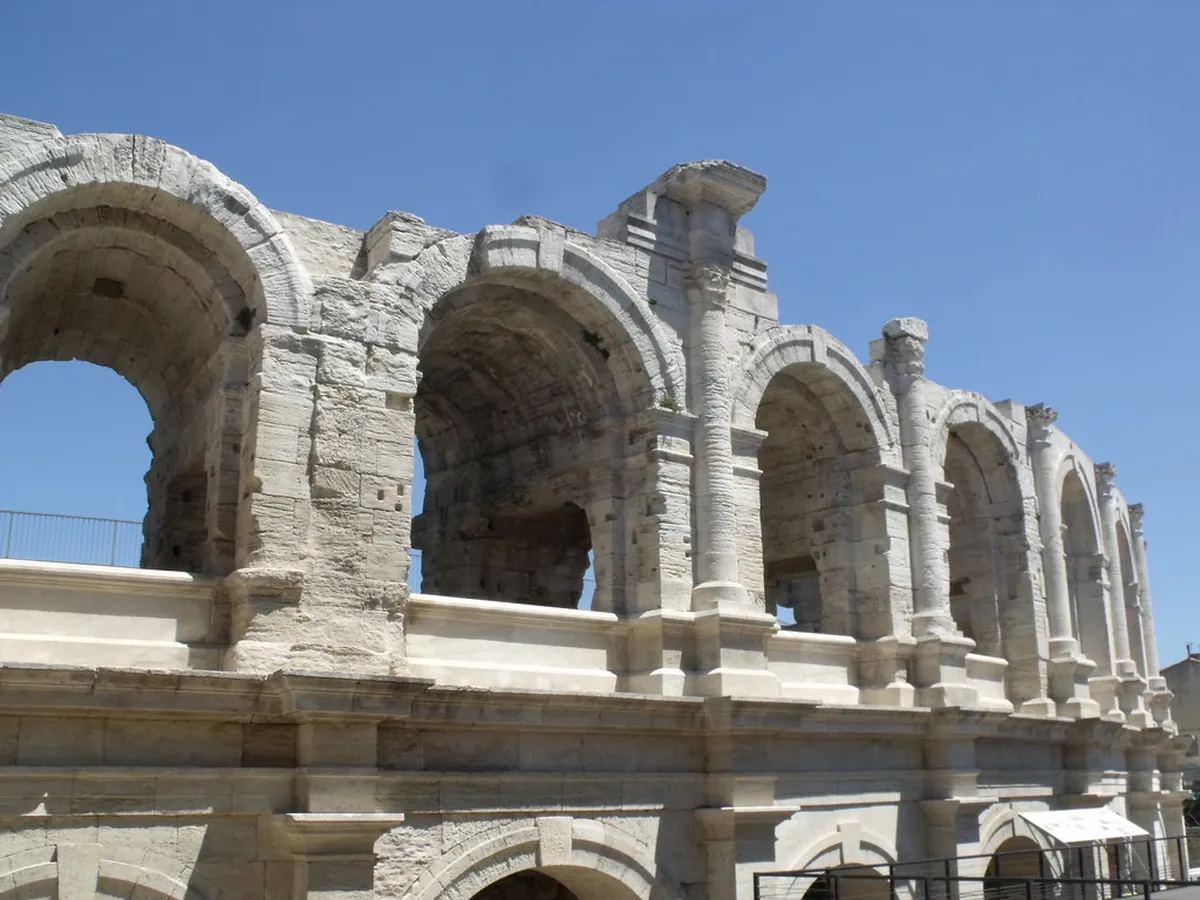
The Arles Amphitheatre, or Les Arènes, is an iconic landmark. It was built around 90 AD under Emperor Domitian. This massive arena could seat over 20,000 spectators. Gladiatorial contests and chariot races entertained the Roman populace. Its design showcases sophisticated Roman engineering.
During the Middle Ages, it transformed into a fortified town. Over 200 homes and two chapels were built inside. This adaptation protected residents from invaders. The arena's defensive towers still stand today. They tell a unique story of survival and transformation.
Today, the Amphitheatre hosts bullfights and concerts. It remains a vibrant cultural hub in 2025. Entry fees are around €12 for adults. Opening hours vary seasonally, typically 9 AM to 6 PM. Check the official website for specific times. Consider a guided tour for deeper insights.
Walking through its ancient corridors is awe-inspiring. You can feel the echoes of history all around you. The views from the upper tiers are spectacular. They offer panoramic glimpses of Arles. This site truly represents Roman power and enduring legacy.
Exploring the Ancient Theatre of Arles
The Ancient Theatre of Arles was constructed in the 1st century BC. Emperor Augustus commissioned this magnificent venue. It once seated 10,000 spectators for plays and musical performances. Its grandeur rivaled other major Roman cities. It served as a center for Roman cultural life.
Only two columns, known as the
Exploring the Ancient Theatre of Arles
The Ancient Theatre of Arles was constructed in the 1st century BC. Emperor Augustus commissioned this magnificent venue. It once seated 10,000 spectators for plays and musical performances. Its grandeur rivaled other major Roman cities. It served as a center for Roman cultural life.
Only two columns, known as the “Two Widows,” remain from its original stage wall. These columns hint at the theatre’s former glory. Much of its stone was repurposed over centuries. However, the semi-circular seating tiers are still visible. They provide an excellent sense of its scale.
Today, the theatre hosts summer festivals and concerts. It provides a unique backdrop for modern events. Visitors can explore the ruins for about €9. This fee often combines with other Roman sites. Ensure you visit during daylight hours for the best views.
Understanding interesting facts about Arles' Roman Theatre enhances your visit. Imagine the ancient spectacles performed here. The acoustics are still impressive. This site powerfully connects past and present entertainment.
Saint Trophime Church and Cloister's Significance
The Church of Saint Trophime is a masterpiece of Romanesque art. It dates primarily from the 12th century. The church's portal is world-renowned. It depicts the Last Judgment with incredible detail. This artwork is a prime example of Provençal Romanesque sculpture.
Saint Trophime served as a significant pilgrimage stop. It lay on the Way of St. James to Santiago de Compostela. Its architecture and art drew countless medieval travelers. The church reflects the religious fervor of its era. It holds deep spiritual and historical importance.
The adjacent cloister is equally stunning. It features intricately carved capitals. These depict biblical scenes and mythical creatures. Each pillar tells a story through its stonework. It offers a peaceful and contemplative space for visitors. Learn more about Arles historic building facts.
Visiting hours are generally 9 AM to 6 PM in high season. An entry fee of approximately €10 applies. Consider an audio guide for detailed explanations. The church’s treasury also houses important relics. Its beauty and history are truly captivating.
Frequently Asked Questions
Why are Arles' Roman monuments important historically?
Arles' Roman monuments illustrate the reach of the Roman Empire. They show advanced engineering and urban planning. These sites offer direct evidence of Roman daily life. They also prove Roman cultural influence in Gaul.
Their preservation allows historians to study Roman architecture. These structures contribute greatly to our understanding. They provide tangible links to ancient civilizations. This makes them historically invaluable.
How much does it cost to visit Arles' UNESCO sites in 2025?
Individual site entry fees range from €8 to €12 per adult. A comprehensive Arles Pass is available. It covers multiple monuments and museums. This pass typically costs around €18-€20 for several days. It offers good value for visitors.
Prices are subject to change in 2025. Always check the official Arles tourism website. Booking online might offer small discounts. Consider guided tours for enhanced experiences.
What is the best way to see Arles' historical sites efficiently?
Walking is the best way to explore Arles' compact center. Most major UNESCO sites are within easy reach. Allow a full day or two to fully appreciate them. Start early to avoid crowds, especially in peak season.
Consider purchasing the Arles Pass for convenience. Plan your route using a city map. Group sites that are close together. Wear comfortable shoes for extensive walking.
Arles' UNESCO sites offer an unforgettable journey through time. Their historical significance is undeniable and profound. From Roman amphitheatres to Romanesque churches, each site tells a rich story. Plan your 2025 visit to experience this incredible heritage.
Immerse yourself in Arles' ancient past. Discover the grandeur of its monuments. These sites continue to inspire awe and wonder. Arles truly stands as a living museum, waiting to be explored.
Key Takeaways
- Arles' UNESCO sites highlight its critical role in the Roman Empire and medieval Europe.
- The Arles Pass offers excellent value for visiting multiple historical monuments efficiently.
- Allow ample time to explore, as sites like the Amphitheatre and Saint Trophime Church are rich in detail.
Related reads: streetartly.com.