
Famous Renaissance Buildings Beaune France: Top Sights
Explore famous Renaissance buildings in Beaune France for 2025. See stunning facades and historical gems on your next trip. Plan your visit today!
On this page
Beaune is a charming gem located in the famous Burgundy region of eastern France. It is well known for its deep history and world-class wine production industries. Many tourists visit to see famous Renaissance buildings Beaune France offers throughout the year. This comprehensive guide will help you find the best architectural spots for your trip.
The city center features a rich mix of architectural styles from many different historical periods. You will see beautiful stone carvings and unique courtyards as you explore the streets. Exploring these historical sites provides a deep look into the artistic past of France. Let us begin our detailed tour of these incredible and famous landmarks together.
The Iconic Hospices de Beaune Architecture
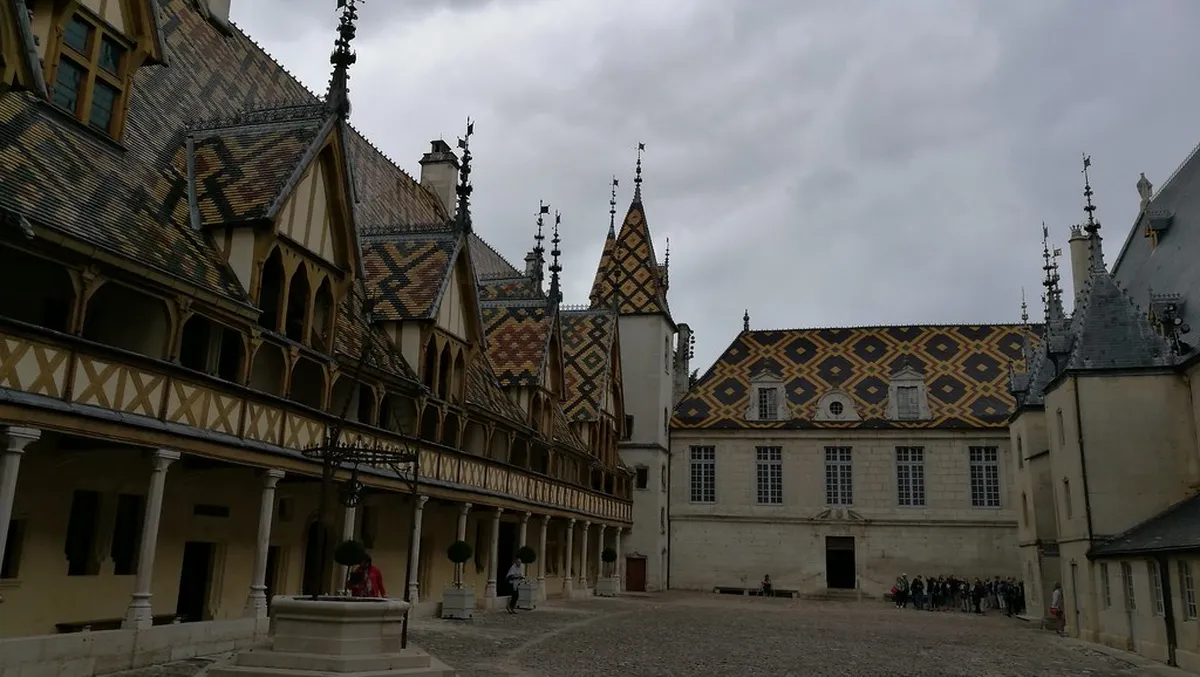
The Hospices de Beaune remains the most iconic site within this historic French city today. It was founded in 1443 as a hospital to serve the poor and the needy. The building displays a beautiful transition between the late Gothic and early Renaissance architectural styles. Visitors can admire the stunning proportions of the main courtyard from the very grand entrance.
The interior courtyard features ornate galleries and leaded windows with very detailed craftsmanship. Entry costs about 12 euros for adults during the busy travel season of 2025. It opens daily from 9:00 AM until 6:30 PM for visitors from around the world. You should book Hospices de Beaune architecture tickets early to avoid long queues.
The carvings on the ancient wooden beams show incredible detail from the local artists. These carved figures represent the diverse people who lived here many centuries ago. This site truly captures the spirit of historical Beaune for every modern traveler. It is a must-see destination for anyone interested in European history and art.
The grand hall of the poor is a highlight of the indoor museum tour. You will see rows of wooden beds that were used by patients in the past. The ceiling looks like an inverted ship hull which was a common regional design. This specific layout helped with ventilation and kept the air fresh for the sick.
Do not miss the famous polyptych of the Last Judgment by artist Rogier van der Weyden. This masterpiece is kept in a climate-controlled room to preserve its vibrant colors. It reflects the religious devotion of the people who funded this charitable hospital long ago. Most visitors spend at least two hours exploring the various rooms and the pharmacy.
Hidden Beaune Renaissance Facades and Courtyards
Many hidden gems are located behind private doors in the center of the old town. These Beaune Renaissance facades are often tucked away in very quiet side streets. You can find them by exploring the small roads that lead away from the center. Rue Rousseau-Deslandes is a great place to start your search for these historic homes.
Look for the Hotel Boussard de la Chapelle which features a truly grand stone staircase. This building showcases classic arches and detailed stonework from the late sixteenth century era. It was originally built for a wealthy merchant family who wanted to show their status. The quality of the limestone used here remains impressive after many hundreds of years.
Walking through these ancient areas feels like stepping back into a much older version of France. Most private courtyards are open to the public during the annual heritage days in September. Otherwise, you can often peek through the large iron gates to see the architecture. Always remember to respect the privacy of the people who currently live in these homes.
Some facades feature intricate sculptures of mythological creatures and floral patterns from the Renaissance. These designs were inspired by the classical art of ancient Greece and ancient Rome. Local stone masons used these patterns to bring beauty to the urban landscape of Beaune. You can spend an entire afternoon simply looking for these small but beautiful details.
The city maintains these historic buildings with great care to preserve the local cultural heritage. Many of the facades have been restored recently to remove centuries of dirt and soot. This work ensures that future generations can enjoy the beauty of these Renaissance structures. Bring a good map to help you navigate the winding streets of the old town.
The Elegant Hotel de la Rochepot Design
The Hotel de la Rochepot is another architectural masterpiece found within the city walls. It stands near the Place Carnot which is the main square of the town. This mansion showcases the transition of local noble life through its very elegant design. The front facade features detailed sculptures and windows that are typical of the era.
The building was once the residence of a powerful local governor in the 1500s. Its overall design reflects the strong influence of Italian style on French regional architecture. You will see classic columns and symmetrical patterns that create a sense of order. This symmetry is one of the most important hallmarks of the late Renaissance period.
Visit this specific location during the early morning hours for the best natural light. The sun hits the golden limestone beautifully which creates a great opportunity for pictures. There is no cost to view the exterior facade from the public sidewalk today. It is a perfect stop on any self-guided walking tour of the city center.
The roofline features decorative dormer windows that add a touch of whimsy to the structure. These windows allowed light into the upper floors where the domestic staff lived and worked. The stone carvings around the window frames show delicate patterns of leaves and vines. You can see how the owners wanted to blend nature with their urban home.
Notice the heavy wooden doors that protect the main entrance to this grand historical mansion. These doors are often reinforced with iron studs for both security and aesthetic appeal. They represent the strength and stability of the families who ruled Beaune in the past. Take a moment to appreciate the scale of this building compared to others nearby.
Renaissance Style at the Maison du Colombier
The Maison du Colombier is a famous sixteenth-century house located in the heart of Beaune. It sits directly across from the Notre Dame Basilica which is another historical landmark. The building features a charming corner turret and many intricate stone carvings on the walls. It now serves as a very popular restaurant and a cozy wine bar today.
You should dine here to experience the historical atmosphere from inside the ancient stone walls. The interiors maintain many original stone and wood elements that date back several hundred years. You can enjoy local Burgundy wines while admiring the view of the nearby church. Lunch prices for a full meal usually range from twenty to forty euros per person.
The exterior walls display intricate motifs and human figures that tell stories of the past. These specific details provide a glimpse into the daily lives of people from that era. It is currently one of the most photographed spots in the entire city of Beaune. Check photography Beaune buildings tips to capture the best angles during your trip.
The corner turret was a sign of prestige for the residents during the Renaissance period. It allowed the owners to look out over the street and see who was coming. The masonry work on the turret is particularly fine and shows great technical skill. This building is a prime example of how history can be used today.
If you visit during the evening the building is often lit with soft warm lights. This lighting highlights the texture of the stone and the depth of the carvings. It is a wonderful place to sit outside and watch the world go by. Many locals gather here to enjoy the cool air and the historic scenery.
Exploring the Place de la Halle Structures
The Place de la Halle is the central hub for shopping and social life. Many buildings around this square date back to the Renaissance and the late Middle Ages. The market hall itself is a focal point for the weekly Saturday morning food market. You can find fresh local produce and artisan crafts from the surrounding Burgundy countryside.
The buildings surrounding the square feature steep roofs and traditional timber framing in some areas. Many of these structures have been converted into shops selling wine and local mustard. You can walk under the stone arches to find shade during the hot summer months. These arches were designed to provide a covered space for medieval and Renaissance traders.
Look up at the chimneys and rooflines to see the variety of architectural shapes. Each building has a unique character that reflects the tastes of its original builder. The harmony of the square comes from the consistent use of local building materials. This area has been the heart of the city for over five centuries now.
On market days the square is filled with the sounds and smells of local life. You can hear vendors calling out their prices for fresh cheese and regional sausages. This lively atmosphere is very similar to how the square functioned during the Renaissance. It is the best place to feel the pulse of the city of Beaune.
Several cafes offer outdoor seating where you can rest after a long morning of walking. Order a coffee and enjoy the view of the historic facades around the busy square. It is a great spot to plan the next part of your architectural tour. Most of these buildings are well-marked with small signs explaining their historical significance.
Identifying Key Features of Beaune Buildings
Renaissance architecture in Beaune has distinct characteristics that you can easily spot during your walk. You will notice the frequent use of the Golden Ratio in many facade designs. This mathematical principle creates a strong sense of balance and visual harmony for the viewer. Most buildings in the city use the local creamy limestone known for its durability.
Look for mullioned windows and decorative pilasters on the exterior walls of the older homes. These classical elements were very popular during the 1500s when Italian styles moved north. Many homes also feature Beaune secret courtyards with ancient stone wells and hidden gardens. These private spaces offered safety and natural light to the families living there.
The roofs often feature the famous colorful tiles that are iconic to the Burgundy region. These glazed tiles form complex geometric patterns in shades of red, green, and yellow. This specific style is unique to the area and represents the high status of owners. It is a colorful contrast to the pale stone used for the walls.
Decorative friezes often run along the middle of the facades to separate different floors. These stone bands might feature carvings of fruit, flowers, or even small human faces. This attention to detail shows the pride that Renaissance builders took in their craft. You can see these features on both large mansions and smaller townhouses alike.
Symmetry is another key feature that you should look for when identifying these old buildings. The windows and doors are usually arranged in a very orderly and balanced fashion. This was a departure from the more irregular shapes of the earlier Gothic period. Understanding these details will make your visit to Beaune much more rewarding.
Frequently Asked Questions
When is the best time to see these buildings?
Spring and fall are definitely the best times to visit Beaune for architectural tours. The weather is usually mild and the light is perfect for seeing the stone details. You will also find fewer crowds during these shoulder seasons in France.
Are there guided tours for Renaissance architecture?
Yes the local tourism office offers several guided walking tours throughout the year. These tours provide expert insight into the history of the most famous local buildings. You can book them online or in person at their main office.
Can I enter all the Renaissance mansions?
Most Renaissance mansions in Beaune are private homes and cannot be entered by tourists. However several have been converted into museums or restaurants that you can visit. Look for the public signs to know which buildings are open to you.
Beaune offers a truly unique collection of Renaissance buildings that are waiting for you to explore. From the grand Hospices to the hidden townhouses there is beauty around every single corner. Plan your visit for 2025 to experience the history and the culture of Burgundy. You will certainly leave with a deep appreciation for these famous Renaissance buildings Beaune France treasures.
Key Takeaways
- Visit the Hospices de Beaune for iconic glazed tile roofs.
- Explore Rue Rousseau-Deslandes to find hidden residential facades.
- Look for the Golden Ratio and symmetry in local architecture.
Related reads: streetartly.com, street art and architecture in beaune, identifying renaissance features in beaune.