
Renaissance Architecture Examples Beaune France Guide
Explore stunning Renaissance architecture examples in Beaune France. Plan your 2025 historical walking tour and discover hidden gems today!
On this page
Discovering the best Renaissance architecture examples Beaune France has to offer is a wonderful travel experience. This historic town in Burgundy features stunning stone facades from the 16th century. You will find elegant carvings and classical columns as you walk through the streets. These architectural gems reflect the wealth and artistic vision of the late French Renaissance.
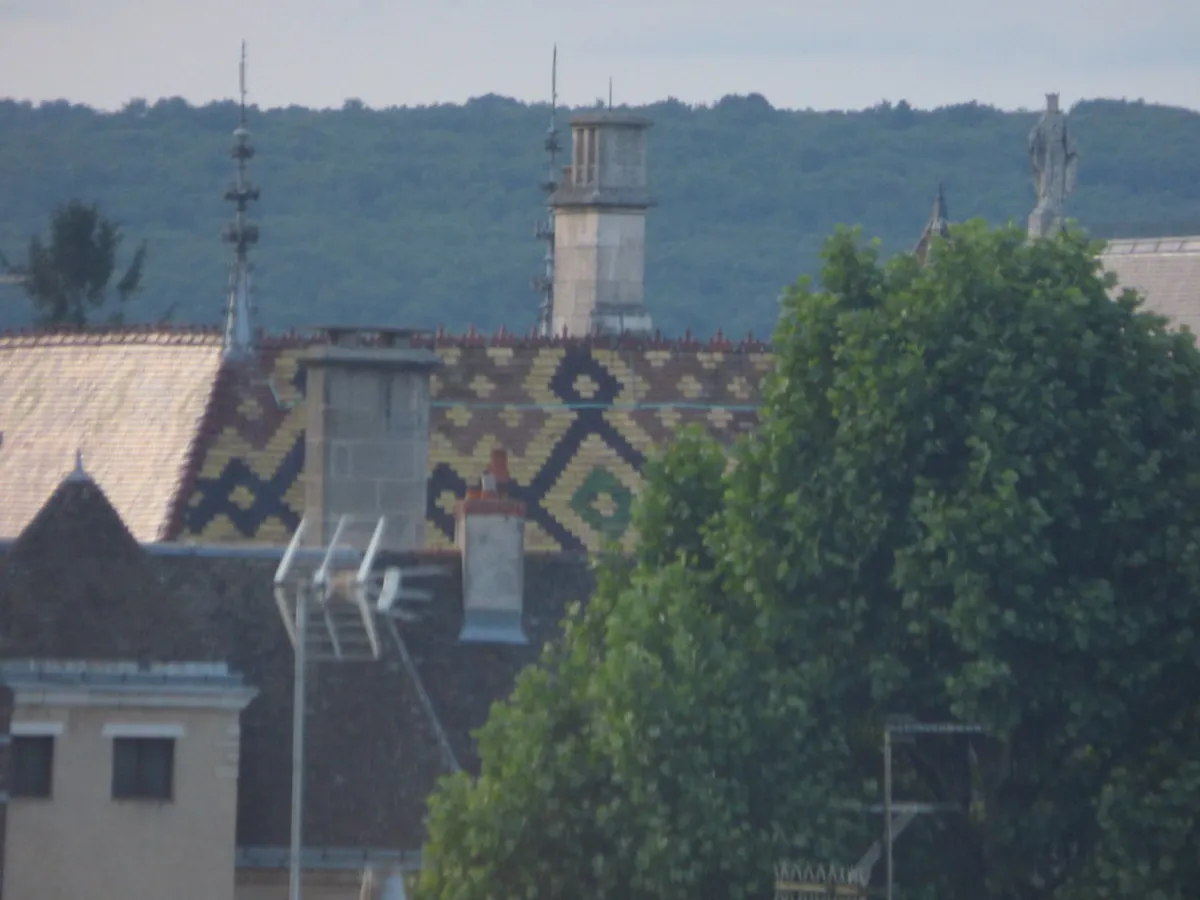
Many travelers visit Beaune to see the famous tiled roofs of the local hospital. However, the town also contains many private mansions with incredible architectural details. You can explore these historic sites while enjoying the world-class wine of the region. This guide will help you find the most impressive structures in the city center.
The year 2025 is a perfect time to explore the Beaune historical architecture found across the town. Modern restoration efforts have made these ancient buildings look better than ever before. You will enjoy learning about the transition from Gothic styles to classical designs. Let us look at the specific buildings that make this town an architectural treasure.
Identifying Renaissance Styles in Beaune
Renaissance architecture examples Beaune France displays are known for their balance and symmetry. During the 1500s, builders moved away from the complex designs of the Middle Ages. They began using geometric shapes and classical orders like the Ionic and Corinthian styles. These changes reflected a new interest in the art of ancient Rome and Greece.
In Beaune, the use of light-colored limestone is very common for these historic buildings. This soft stone allowed artists to create very intricate and detailed carvings on the exterior walls. You should look for decorative motifs like shells, foliage, and mythical figures. These elements are typical of the French Renaissance style found in Burgundy.
Windows also became a major focus of design during this period in Beaune. Renaissance builders created larger window openings to let more light into the grand townhomes. You will see ornate window frames with triangular or curved pediments on top. These features create a sense of rhythm and harmony along the narrow cobblestone streets.
Many of these buildings include beautiful internal courtyards that were once private spaces. These areas often feature arcades with graceful arches and slender stone columns. You can find several Beaune secret courtyards that showcase this refined architectural style. They offer a quiet glimpse into the lives of wealthy 16th-century merchants.
Renaissance Architecture Examples Beaune France Highlights
The Maison du Colombier is one of the most famous Renaissance architecture examples Beaune France offers. This building stands directly across from the entrance to the famous Hospices de Beaune. It features a stunning corner turret that was built in the year 1572. The house is a perfect example of how local families displayed their high social status.
You can see very detailed stone carvings on the facade of this historic house. The building now serves as a wine bar and restaurant for modern visitors. This allows you to sit outside and admire the architecture while sipping local Pinot Noir. The view from the square provides an excellent perspective of the entire structure.
Another must-see site is the Hotel de Boussard de la Chapelle on Rue de Lorraine. This private mansion features a grand entrance gate with classic Renaissance proportions. The windows are decorated with elaborate stone frames that showcase the skill of local masons. It remains one of the best-preserved examples of domestic architecture from that era.
Many buildings on the Rue Rousseau-Deslandes also feature high-quality Beaune Renaissance facades for you to view. Walking down this street feels like stepping back into the late 16th century. You should pay close attention to the heights of the different floor levels. Each story often features a different type of classical decoration.
The Transition from Gothic to Renaissance
Beaune is unique because you can see the blend of different architectural eras. The transition from Gothic to Renaissance happened slowly in this part of rural France. You will often see a building with a medieval base and a Renaissance upper floor. This mixture creates a fascinating visual history for travelers to explore in 2025.
The Hospices de Beaune is a primary example of this stylistic transition. While the famous roofs are late Gothic, many of the interior galleries show Renaissance influence. The wooden carvings in the main hall reflect the changing artistic tastes of the period. This building serves as a bridge between two very different cultural worlds.
Builders in the 1500s often updated older houses to make them look more modern. They would add new stone portals or replace old windows with larger Renaissance versions. This practice was very common among the wealthy wine merchants of the city. It allowed them to follow current trends without rebuilding their entire homes.
You can identify these hybrid buildings by looking at the stone masonry. Gothic sections usually have heavier stones and more pointed arches near the ground. The Renaissance additions appear higher up and feature more delicate and balanced proportions. Exploring these details is a highlight of any walking tour Beaune architecture fans enjoy.
Decorative Elements of the 16th Century
Stone medallions are common decorative features in many Renaissance architecture examples Beaune France visitors see. These circular carvings often contain the portraits of the original building owners. You can find them tucked into the corners of windows or above main doorways. They add a personal touch to the grand architecture of the town.
Pilasters are another key feature of the Renaissance style found in Burgundy. These are flat columns attached to the walls that provide a decorative structure. Builders used them to divide the facade into balanced and symmetrical sections. This technique creates a sense of order that was very important during the Renaissance.
Ornate ironwork also began to appear on the windows and balconies of Beaune. Local blacksmiths created beautiful patterns that complemented the intricate stone carvings of the facades. You can still see original 16th-century ironwork on some of the older mansions. These small details contribute to the overall beauty of the historic district.
The use of the shell motif is a classic sign of Renaissance design. You will find these carved shells in the niches and pediments of many local buildings. They were a symbol of the era and represented a connection to classical antiquity. Look for these small symbols as you wander through the pedestrian streets.
Practical Tips for Visiting Historic Beaune
Most Renaissance architecture examples Beaune France offers are located within the old town walls. You can easily see these buildings by walking for about two or three hours. The best time for photography is during the early morning light. The sun highlights the golden tones of the local Burgundy limestone.
Many of the best buildings are now shops, restaurants, or private offices. This means you can often enter the ground floors to see the interior details. Please remember to be respectful when viewing private courtyards or residential buildings. Most locals are proud of their history and happy to see tourists admiring the town.
You do not need a ticket to view the beautiful facades from the street. However, visiting the interior of the Hospices de Beaune costs around 12 euros per person. This price is well worth it for the historical knowledge you will gain. The museum is open daily from 9:00 AM to 6:30 PM in 2025.
Wear comfortable walking shoes because the streets are made of uneven cobblestones. You should also carry a map or use a digital guide to find hidden mansions. The town center is very compact and easy to navigate on foot. Planning your route in advance will ensure you do not miss any major sites.
Frequently Asked Questions
Where can I find Renaissance architecture examples Beaune France?
The best examples are located in the historic center near the Hospices de Beaune. Look specifically at the Maison du Colombier and buildings along Rue de Lorraine. These areas feature many well-preserved 16th-century stone facades and ornate carvings. You can find most of them within a short walk of the main square.
What is the most famous Renaissance building in Beaune?
The Maison du Colombier is the most iconic Renaissance structure in the town. It is famous for its corner turret and its location across from the hospital. This building perfectly represents the wealthy merchant style of the French Renaissance period. It is a must-see for any visitor interested in history.
Are there guided tours for architecture in Beaune?
Yes, the local tourism office offers guided walking tours that focus on history and architecture. You can also follow a self-guided route using a digital map on your phone. These tours often explain the transition from Gothic to Renaissance styles in detail. Most guided tours last about ninety minutes and cost a small fee.
Can I visit the interiors of the Renaissance mansions?
Some mansions are now public buildings or museums that you can enter freely. Others are private residences that only allow you to view the exterior facades. However, many courtyards are visible if the main gates are open during the day. Always check for signs that indicate if a building is open to the public.
Exploring the Renaissance architecture examples Beaune France provides is a highlight of any trip to Burgundy. You will discover a rich history carved into the beautiful local stone. From the grand Maison du Colombier to the hidden courtyards, the town is an open-air museum. Plan your visit for 2025 to see these incredible structures in person. You should book a local walking tour Beaune architecture guide today to learn even more.
Key Takeaways
- Visit the Maison du Colombier for the best example of a 16th-century corner turret.
- Look for the blend of Gothic and Renaissance styles at the Hospices de Beaune.
- Explore the secret courtyards to see private Renaissance arcades and stone staircases.
- Morning light is the best time to photograph the golden limestone facades in the town center.
- Check Rue de Lorraine for some of the most elaborate stone carvings in the city.
Related reads: streetartly.com.