
Best Walking Tour: Beaune Architecture Guide 2025
Join our walking tour Beaune architecture guide for 2025. Discover medieval gems, colorful roofs, and secret courtyards. Start your French adventure today!
On this page
Beaune remains the historic heart of the Burgundy wine region in France. Every street reveals layers of history through stunning stone structures and colorful tiles. Embarking on a walking tour Beaune architecture experience allows you to see these details. You will find medieval foundations and grand Renaissance facades around every corner. This guide provides a complete itinerary for your self-guided journey in 2025.
Walking through this city feels like stepping back into the Middle Ages. The well-preserved city walls offer a perfect starting point for your daily exploration. You can enjoy the sights at your own pace while learning about local styles. Many visitors overlook the small details hidden within the private courtyards and alleys. This article highlights the best spots for enthusiasts of history and design.
The Iconic Hospices de Beaune Heritage
The Hotel-Dieu stands as the most famous example of 15th-century architecture. Nicolas Rolin founded this hospital in 1443 to help the poor and needy. Its Gothic facade features intricate stone carvings and a large, welcoming courtyard inside. You should plan to spend at least two hours exploring this massive complex. It represents the pinnacle of the Hospices de Beaune architecture style.
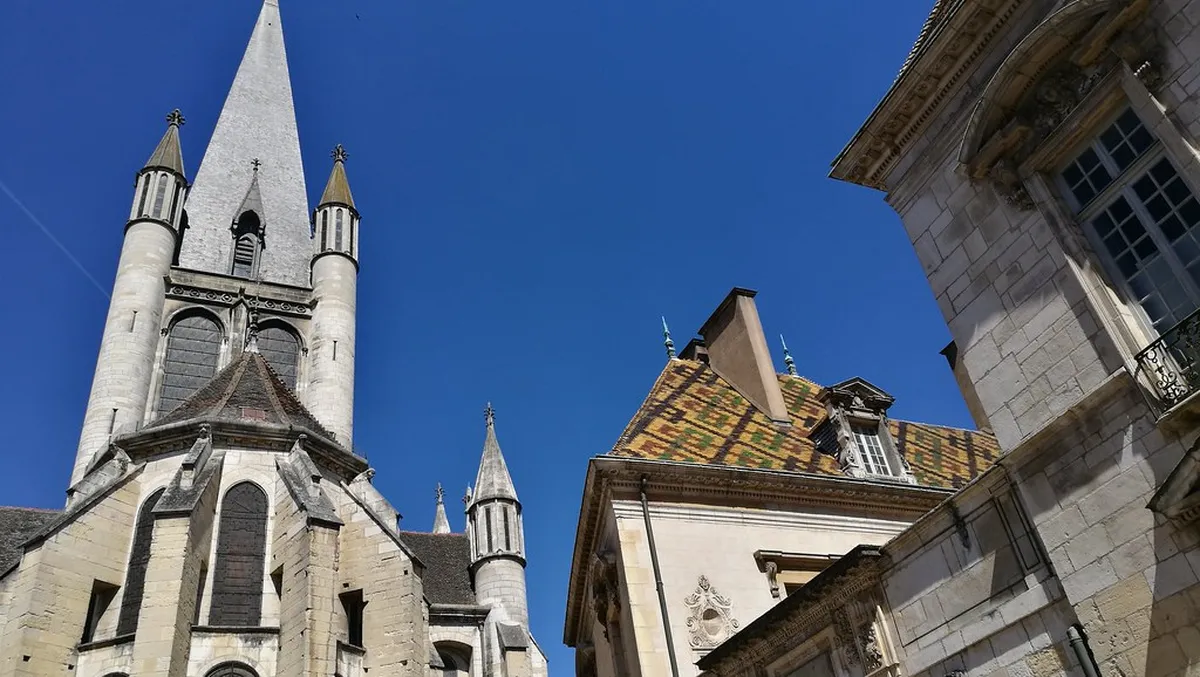
The most striking feature of the building is the glazed tile roof. Vibrant patterns of red, brown, and yellow tiles create a dazzling geometric display. These tiles were a symbol of wealth and status during the late Middle Ages. Rainwater glistens on the glazed surfaces, making the colors pop during the day. This roof style is now a signature mark of the entire Burgundy region.
Inside the building, the Great Hall of the Poor stretches over fifty meters. The wooden ceiling resembles the hull of an upside-down merchant ship from the era. Massive oak beams support the structure without any modern reinforcements or metal bolts. Small alcoves once held the beds of the patients treated by the nuns. You can still see the original furniture used centuries ago.
The courtyard offers the best vantage point for photography and quiet reflection. Notice the delicate leadwork on the windows and the ornate dormers on the roof. Entry costs approximately 12 euros for adults during the 2025 tourist season. This fee includes an audio guide available in several major international languages. Visit early in the morning to avoid the largest crowds of tourists.
- Location: Rue de l'Hôtel Dieu, 21200 Beaune
- Opening Hours: 9:00 AM to 6:30 PM daily
- Key Feature: Polychrome glazed tile roofs
Renaissance Facades Along Rue de Lorraine
Rue de Lorraine serves as a primary artery for your architectural walking tour. This street contains some of the most impressive private mansions in the city. Wealthy wine merchants built these homes to showcase their success in the trade. You will notice high stone walls and heavy wooden gates along the path. These structures highlight the transition from medieval defense to Renaissance elegance.
Look closely at the window frames and door lintels for classical decorative elements. Many buildings feature carvings of fruit, vines, and mythical creatures in the stone. These details were highly popular during the Beaune Renaissance facades period. The use of local limestone gives the entire street a warm, golden glow. Each house tells a different story of the family that once lived there.
The Maison du Colombier is a highlight of this specific section of the city. This 16th-century building features a distinctive corner turret and a large stone balcony. It now serves as a popular wine bar and restaurant for local visitors. Stop here to admire the stonework while enjoying a glass of local Pinot Noir. The building remains one of the best-preserved examples of civil architecture.
Further down the street, you will find the clock tower or Beffroi. This tower served as a symbol of municipal power for the city residents. Its sturdy base contrasts with the more delicate decorations found on nearby private homes. Most of these buildings are private, so please respect the residents while taking photos. The street is best explored on foot during the quiet morning hours.
Hidden Courtyards and Secret Passages
Beaune hides many of its architectural treasures behind unassuming wooden doors and gates. These inner courtyards provided safety and privacy for the wealthy families of the past. Walking through a narrow alleyway often leads to a stunning open space. You might find spiral stone staircases and galleries made of carved wood. Exploring these Beaune secret courtyards is a rewarding part of any tour.
The Cour des Chartreux is one of the most beautiful hidden spots. It features a peaceful atmosphere and classic Burgundian stone masonry on all sides. Ivy often covers the old walls, creating a lush green backdrop for the stone. These spaces were designed to provide light and air to the interior rooms. Today, they offer a quiet escape from the busy main tourist streets.
Notice the wells and cisterns that still sit in many of these courtyards. Water management was a vital part of urban design in the old city. Some courtyards still retain their original cobblestone paving from the seventeenth century. The uneven stones add to the historic charm of the walking experience. Wear comfortable shoes to handle these traditional surfaces during your long walk.
You can find several public passages that connect the main squares of Beaune. These shortcuts allow you to see the rear sections of historic buildings. The masonry here is often simpler but shows the functional side of the city. Look for the small plaques that explain the history of these specific locations. Many of these passages are accessible throughout the entire day for free.
Contemporary Style and Modern Beaune Architecture
While Beaune is famous for its history, modern design also plays a role. Architects now work to blend new structures with the existing historic limestone fabric. The Cite des Climats et Vins de Bourgogne is a prime recent example. This building uses flowing lines to represent the vines of the surrounding hills. It stands as a testament to modern architecture Beaune developments.
This new wine center offers a panoramic view of the city from its terrace. The design incorporates natural materials like wood and local stone in innovative ways. It bridges the gap between traditional wine culture and contemporary tourism needs. Visiting this site provides a different perspective on the evolution of the city. The contrast between the old and new creates a fascinating visual dialogue.
Modern renovations of older buildings also show great respect for the local heritage. Many hotels and boutiques use glass and steel to enhance ancient stone walls. These interventions allow historic structures to function in the twenty-first century. You can see these clever updates in the luxury shops near the center. Architects must follow strict rules to protect the historic character of the town.
The integration of green spaces is another key element of modern urban planning here. New parks and walkways connect the historic center to the newer residential districts. These areas provide a breath of fresh air for both locals and tourists. Sustainability has become a core focus for all new construction projects in Beaune. This ensures that the city remains beautiful for many future generations to enjoy.
How to Navigate the Architectural Route
Starting your tour at the Office of Tourism is a very smart move. They offer detailed maps that highlight the most important buildings and monuments. You can also find specialized Beaune self-guided architectural walking routes for your phone. These digital guides provide extra context and historical photos of each stop. A good map ensures you do not miss any hidden gems.
Follow the bronze plaques set into the pavement to stay on the path. These markers guide visitors through the most significant parts of the old town. The route is mostly flat and easy to walk for most fitness levels. Plan for a total walking distance of about three to four kilometers. This distance allows you to see all the major sights in one afternoon.
Morning light is best for photographing the golden limestone of the city walls. The sun illuminates the intricate carvings on the Renaissance facades quite beautifully then. Afternoon light brings out the rich colors of the famous glazed tile roofs. Most major sites are located within a small area inside the old ramparts. You will never be more than ten minutes away from a café.
Consider booking a guided tour if you want a deeper level of detail. Local experts can explain the specific stonework techniques used by medieval builders. They often have keys to private areas that the general public cannot enter. These tours usually last about two hours and cost twenty euros per person. They offer a great way to learn about the people behind the stones.
- Pick up a map at the tourism office
- Follow the bronze markers on the ground
- Start early to avoid the afternoon heat
Where Architecture and Art Converge
The visual culture of Beaune extends beyond the buildings themselves to the walls. You can find several instances where street art and architecture in Beaune coexist. Small murals and modern installations often hide in the lesser-known corners of town. These artistic additions provide a fresh layer to the ancient stone surfaces. They reflect the creative spirit of the modern residents living in the city.
The integration of art into public spaces is a growing trend in Burgundy. Sculptures often sit in the middle of historic squares to create focal points. These pieces invite visitors to stop and engage with their surrounding environment. The contrast between ancient masonry and modern art is quite striking and bold. It shows that Beaune is a living city, not just a museum.
Local galleries often occupy historic buildings with stunning vaulted stone cellars below them. These cellars were originally built for storing wine but now house modern art. Walking into a gallery allows you to see the interior architectural bones. The thick walls provide a natural cooling effect during the hot summer months. It is a unique way to experience the local building styles.
Even the shop signs in the center of town follow traditional artistic styles. Hand-painted signs and wrought iron brackets maintain the historic aesthetic of the streets. This attention to detail preserves the visual harmony of the entire town center. Artisans still use old techniques to repair and maintain these decorative elements today. This commitment to quality is visible in every single street you walk.
Frequently Asked Questions
How long does a walking tour of Beaune take?
A typical tour takes between two and four hours to complete fully. This time includes stops for photos and exploring the Hospices de Beaune. You can find many best free walking tours Beaune options online. Plan for extra time if you want to enjoy a long lunch.
Is Beaune easy to walk for people with mobility issues?
The town center is mostly flat and very easy to navigate on foot. However, some older streets have uneven cobblestones that might be challenging. Most major monuments have been updated to provide access for all visitors. The main pedestrian areas are very smooth and well-maintained for comfort.
What is the best time of year for an architecture tour?
Spring and autumn offer the best weather for walking outdoors in France. The mild temperatures make exploring the stone streets very pleasant and comfortable. Summer can be quite hot, especially in the enclosed courtyards of the city. Winter is quiet but some sites may have shorter opening hours then.
Are there any entrance fees for the buildings?
Most of the exterior architecture can be viewed for free from the street. The Hospices de Beaune charges an entry fee of about 12 euros. Other museums and churches may have small fees or suggest a donation. Check the current guided architecture tours Beaune prices before you arrive.
A walking tour Beaune architecture experience is the best way to see the city. You will discover the rich history of Burgundy through its beautiful stone buildings. From the colorful tiles of the Hospices to secret courtyards, there is much to see. Make sure to visit in 2025 to experience the latest modern updates. Book your trip today and enjoy the timeless beauty of this French gem.
Key Takeaways
- The Hospices de Beaune is a must-see for its famous glazed tile roofs.
- Follow the bronze pavement markers to stay on the main historic route.
- Look for hidden courtyards behind large wooden doors to find secret gems.
- Morning light is perfect for photography of the golden limestone buildings.