
Calvi UNESCO Heritage Architectural Sites Guide
Discover Calvi UNESCO heritage architectural sites in France. Explore the Citadel and local history with our 2025 guide. Start your Corsican adventure today!
On this page
Calvi sits on the beautiful coast of Corsica, offering amazing Calvi UNESCO heritage architectural sites for you to explore. Travelers visiting in 2025 will find a town rich in history, culture, and stunning Mediterranean views. These historic structures tell the fascinating story of a proud island nation and its many ancient defenders. You can spend several days wandering through the old streets to see the best historical landmarks in France.
The city combines military strength with artistic beauty in a way that few other coastal destinations can match. Every corner of the town holds a secret about the Genoese rulers who built these impressive stone fortifications. Understanding the local history will make your visit much more meaningful as you walk through the ancient gates. This guide will help you find the most important buildings and sites during your next island vacation.
The Majestic Citadel of Calvi
The Citadel remains the most famous site in Calvi and dominates the local skyline with its massive walls. It stands high on a rocky promontory, offering protection to the harbor and the residents living inside. This fortress showcases centuries of Genoese military engineering and impressive stone design that survives to this very day. You can walk through its narrow, winding cobblestone streets to see Calvi Citadel architecture up close.
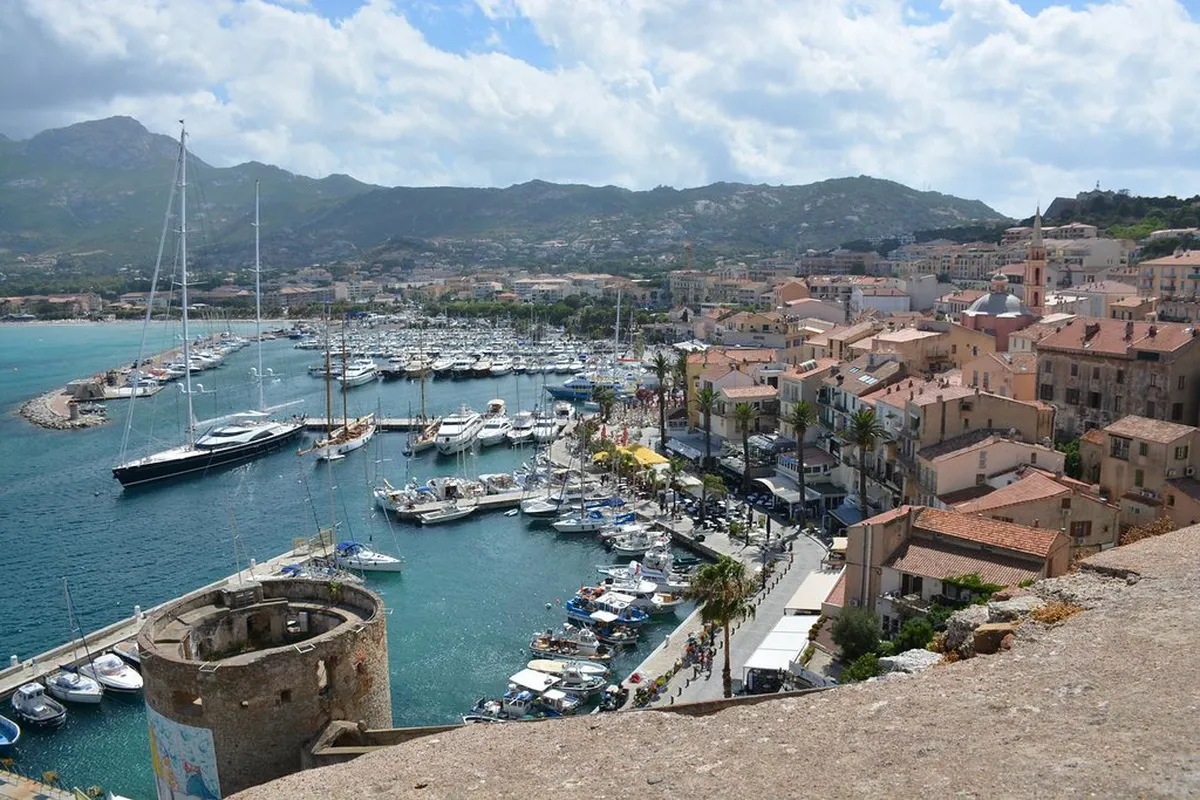
Visiting the Citadel is free for everyone who wishes to walk along the historic ramparts and high walls. Most areas remain open twenty-four hours a day, allowing for beautiful sunset walks above the blue sea. You should wear comfortable walking shoes because the old stone paths can be quite uneven and very steep. This location provides the best panoramic views of the entire bay and the surrounding mountains of northern Corsica.
The main entrance to the fortress is a grand gateway that has welcomed visitors for many hundreds of years. Look for the ancient inscriptions and crests carved into the stone above the heavy wooden doors of the gate. These details offer a glimpse into the military history of the region and its strategic importance to France. Guided tours are available for ten euros if you want to learn more about the specific historical battles.
Inside the walls, you will find quiet squares where local people still live and work in ancient buildings. Many of these houses have stood for centuries, maintaining their original charm despite the passage of much time. The atmosphere inside the Citadel feels like stepping back into a different era of European history and culture. It is a perfect spot for travelers who enjoy quiet exploration away from the busy modern harbor area.
A local legend suggests that the famous explorer Christopher Columbus was actually born inside this very fortified city. You can find a small monument dedicated to him near the ruins of his supposed ancestral family home. This adds a layer of mystery and intrigue to your visit of the historic and ancient Citadel walls. Seeing these landmarks in 2025 will help you understand why Calvi is so proud of its rich heritage.
Pro-Cathedral of Saint-Jean-Baptiste
This stunning cathedral is a masterpiece of design and represents a significant part of Calvi cultural heritage architecture today. The building dates back to the thirteenth century but saw many updates during the Renaissance and Baroque periods. Its large dome is a prominent feature of the city's skyline and can be seen from the beach. This religious site houses many important works of art that reflect the deep spiritual history of the island.
Visitors should step inside to admire the beautiful altar and the ornate decorations found throughout the quiet nave. The interior features a famous black wooden crucifix that locals believe protected the city during several ancient sieges. Entry to the cathedral is generally free, but you must dress respectfully to enter this active place of worship. It remains a peaceful retreat from the warm Corsican sun during the peak summer months of July and August.
The architecture of the cathedral reflects the transition between different artistic styles over several hundred years of construction. You can see how the original structure was expanded to accommodate the growing population of the fortified town center. The bell tower stands tall as a symbol of the community and still rings out across the bay daily. Take a moment to sit in the pews and appreciate the cool air and the silent, reverent atmosphere.
Photography is allowed inside the cathedral as long as you do not use a flash during your visit. Capturing the light filtering through the high windows creates a wonderful memory of your time in this historic space. Check the local schedule for evening concerts that often take place within these ancient and acoustically perfect walls. These musical events provide a unique way to experience the heritage of Calvi under the soft evening light.
The church is located in the heart of the Citadel and is easy to find while you explore. It stands as a testament to the enduring faith and artistic skill of the people who built this city. Make sure to look at the intricate wood carvings that adorn the walls and the main religious pulpit. This site is essential for anyone interested in the Calvi UNESCO heritage architectural sites and their deep history.
The Governor's Palace and Civic Design
The Palais des Gouverneurs is another architectural marvel located within the high walls of the ancient Citadel fortress. It served as the primary residence for the Genoese governors who ruled over the northern part of Corsica. This building highlights the civic importance of Calvi and its role as a regional capital for many centuries. Today, the palace serves as a barracks for the French Foreign Legion and is closed to the public.
Even though you cannot enter the palace, the exterior architecture is still very impressive and worth a look. The large facade and sturdy construction demonstrate the power and wealth of the Genoese Republic during the Renaissance. It stands near the main square of the Citadel, making it easy to find during your morning walking tour. Take note of the large windows and the strategic position that allowed governors to monitor the entire harbor.
Surrounding the palace are several smaller administrative buildings that once supported the complex operations of the local government. These structures share similar Corsican architectural styles, featuring heavy stone and very simple but elegant lines. Walking through this district gives you a sense of how organized the city was during the height of power. Many of these buildings have been carefully restored to preserve their historical integrity for all visitors to enjoy.
The square in front of the palace often hosts local markets where you can buy traditional Corsican honey. This area becomes very lively during the summer festivals when music and dance fill the historic air of Calvi. Visiting this spot in 2025 will allow you to see how modern life blends with ancient stone walls. It remains a vital part of the social fabric that keeps the heritage of the city alive today.
Near the palace, you will find the museum of the French Foreign Legion which offers more historical context. This museum provides details about the military presence in Calvi and how it has shaped the local urban landscape. Learning about the soldiers and their role in the city adds another dimension to your overall cultural experience. It is a must-visit for history buffs who want to understand the modern military significance of this region.
The Salt Tower and Defensive Works
The Tour du Sel, or Salt Tower, is a massive defensive structure located right next to the harbor. It was built in the late fifteenth century to store salt and protect the lower part of the town. This tower is a prime example of the functional design used in Calvi UNESCO heritage architectural sites globally. Its thick round walls were designed to withstand heavy cannon fire from invading ships during the many wars.
You can find the Salt Tower at the end of the Quai Landry, which is the main promenade. The tower once connected the lower town defenses with the higher ramparts of the massive Citadel on the hill. Today, it serves as a historic landmark that marks the transition between the marina and the old town district. Many people stop here to take photos of the tower against the backdrop of the luxury white yachts.
The preservation of this tower is part of a larger preserving Calvi’s historical architecture guide for the city. Engineers have worked to stabilize the foundation and clean the ancient stones while keeping the original appearance very clear. This site reminds us that Calvi was once a major trading hub for salt and other valuable goods. Understanding these defensive structures helps visitors appreciate the long and difficult history of this beautiful coastal island.
Nearby, you can see remnants of the old city walls that used to wrap around the entire lower port. These ruins provide a rough but beautiful contrast to the modern restaurants and cafes that line the busy waterfront. Walking along the base of these walls at night is a romantic experience that many couples enjoy during summer. The soft lighting makes the ancient stones glow and highlights the texture of the historic Genoese masonry work.
The tower is not open for interior tours, but you can walk around its base and touch the stone. Local artists often set up their easels nearby to paint the tower and the beautiful harbor in the morning. This area is very popular with photographers who want to capture the contrast between ancient stone and modern life. It is a great place to start your exploration of the waterfront before heading up to the Citadel.
Exploring the Lower Town Heritage
The lower town of Calvi offers a different perspective on the city's rich and varied cultural heritage architecture. Here, the buildings are often painted in bright pastel colors that reflect the light of the Mediterranean sun beautifully. Narrow alleys lead away from the harbor into quiet courtyards filled with blooming flowers and small local craft shops. This area was originally built for the merchants and sailors who powered the local economy through the busy port.
Look for the Oratoire Saint-Antoine, a small but historic chapel located right in the heart of the lower town. This building dates back to the sixteenth century and features a very simple but beautiful facade and interior design. It is still used today for traditional religious ceremonies and local community gatherings throughout the entire calendar year. The chapel is a great example of the smaller heritage sites that give Calvi its unique and charming character.
Many of the houses in the lower town have been converted into charming boutique hotels or cozy holiday rentals. Staying in one of these historic buildings allows you to experience the local lifestyle in a very authentic way. You will wake up to the sound of the sea and the smell of fresh bread from nearby bakeries. These structures have been modernized inside while keeping their historic exterior appearance exactly as it was many years ago.
Walking through the lower town at a slow pace is the best way to discover hidden architectural details everywhere. Look for old stone carvings above doorways and unique iron balconies that overlook the busy streets of the town. These small details contribute to the overall beauty of the Calvi UNESCO heritage architectural sites that visitors love. Make sure to bring your camera to capture the play of light on the colorful walls and shutters.
You will also find several small art galleries that showcase the work of local painters and talented sculptors. These spaces often occupy the ground floors of historic buildings, blending modern creativity with the ancient stone walls. Exploring these galleries provides a contemporary look at how the city continues to inspire artists from all over France. It is a wonderful way to spend an afternoon before enjoying dinner at one of the seaside restaurants.
Frequently Asked Questions
Are there entrance fees for the Calvi UNESCO heritage architectural sites?
Most of the heritage sites in Calvi, including the Citadel and churches, are completely free for everyone to visit. Some specific museums or private guided tours may charge a small fee of around five to ten euros per person.
What is the best time of day to explore the historic Citadel?
Early morning or late afternoon are the best times to visit to avoid the intense midday sun and crowds. These times also provide the softest light for taking beautiful photographs of the ancient stone walls and the sea.
Is the Citadel accessible for people with limited mobility or strollers?
The Citadel has many steep slopes and uneven cobblestone paths that can be difficult for some visitors to navigate. It is recommended to use the main paved roads or hire a local guide who knows the easiest routes.
Where can I find the best views of the architectural landmarks?
The best views are found from the ramparts of the Citadel or from a boat in the harbor. Both locations offer a stunning perspective of the city's skyline and the massive defensive walls of the ancient fortress.
Calvi offers a unique journey through time with its impressive collection of Calvi UNESCO heritage architectural sites and history. From the massive walls of the Citadel to the quiet chapels, there is something beautiful for every traveler to see. Plan your visit in 2025 to experience the perfect blend of Corsican culture and stunning coastal Mediterranean scenery. We hope this guide helps you discover the many wonders of this historic and vibrant French seaside town.
Whether you are a history buff or just looking for a beautiful view, Calvi will not disappoint your expectations. Take the time to explore both the high Citadel and the colorful lower town to see the full picture. You will leave with a deep appreciation for the architectural skill and the proud spirit of the local people. Enjoy every moment of your exploration in one of the most beautiful and historic cities in all of France.
Key Takeaways
- Visit the Citadel for free panoramic views of the bay.
- Wear comfortable shoes for the uneven historic cobblestone streets.
- Check the schedule for cultural events and concerts in the cathedral.
- Explore the lower town for colorful buildings and local craft shops.
- Plan your photography for the early morning or the late afternoon.
Related reads: streetartly.com, street art and architecture in calvi, calvis architectural importance cultural context.