
Old Town Chambéry Architecture Guide
Explore our 2025 Old Town Chambéry architecture guide. Discover historic Savoyard buildings and hidden alleys in France. Plan your walking tour today!
On this page
Welcome to your complete 2025 Old Town Chambéry architecture guide for your next French holiday. This historic French city offers many beautiful sights for every curious traveler to enjoy. You will see amazing buildings from different eras throughout the old city center. It is a perfect place for anyone who loves European history and art.
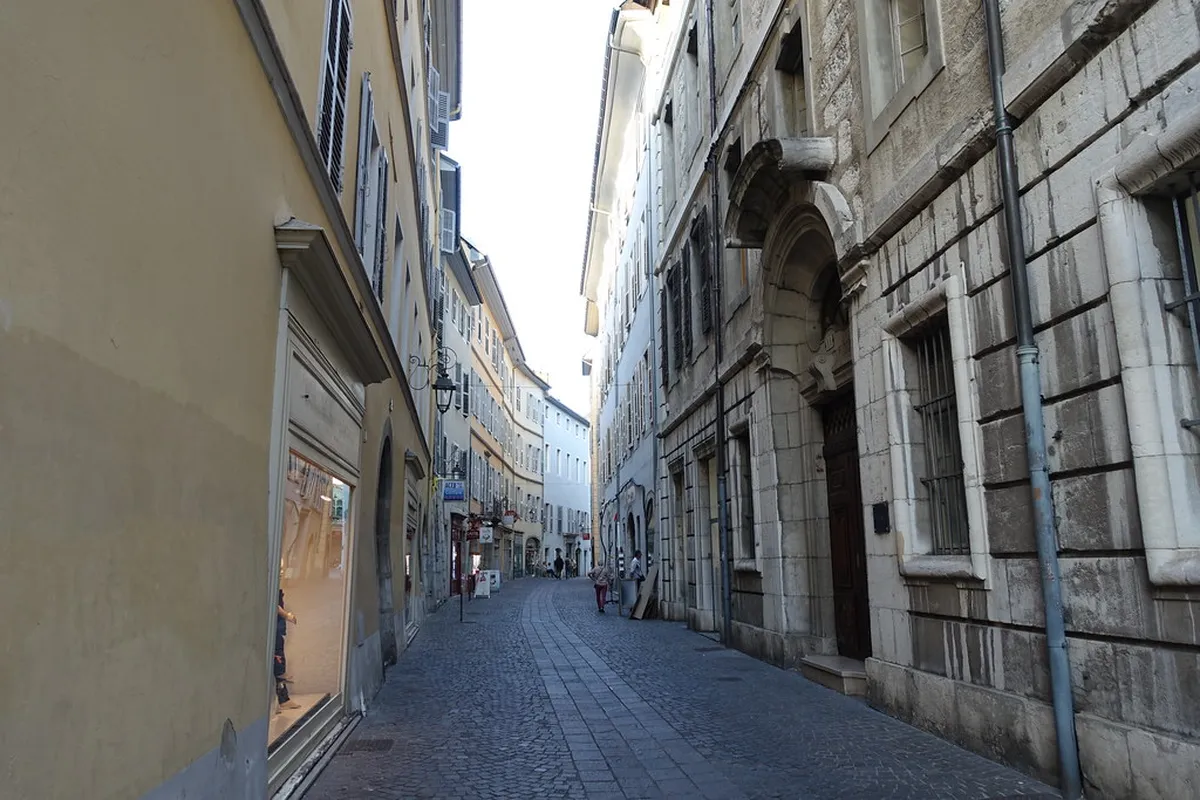
The city center is full of winding streets and very narrow stone alleys. You will find secret passages called allées that run through the old buildings. These paths connect the main squares to hidden courtyards and private residential areas. Exploring them is a highlight of any walking tour through the city.
The Chambéry historical architecture offers a unique Italian influence from the Savoy period. This style differs from many other northern French cities you might visit. Our guide helps you find the most important spots in the city center. You will learn about the rich heritage of the House of Savoy.
Medieval Buildings in the Heart of the City
The medieval roots of the city remain very visible in the old center. Most of the oldest buildings date back to the late 14th century. Stone arches and thick walls dominate these ancient areas near the castle. These structures showcase the early wealth of the local merchants and builders.
Look for the medieval buildings in Chambéry city near the Saint-Léger square. These structures served as homes and workshops for local laborers and craftsmen. You can still see original timber frames in some of the preserved spots. These details provide a glimpse into life during the middle ages.
The narrow streets helped defend the town during various regional wars and sieges. High windows kept the interiors cool during the hot and sunny summer months. Walking here reveals the city's early defensive planning and strategic urban layout. It is a fascinating area for anyone interested in ancient urban design.
Many shops now occupy these ground-floor medieval spaces for modern commercial use. You can buy local cheese while admiring the old stone and wood. These shops usually open from 10 AM to 7 PM for visitors. They offer a unique shopping experience within a historic and atmospheric setting.
The Castle of the Dukes of Savoy
The House of Savoy built this grand fortress as a seat of power. It combines military strength with royal elegance in a very impressive way. The castle has evolved significantly over several hundred years of continuous use. It remains the most important landmark in the entire city of Chambéry.
Visit the Sainte-Chapelle located inside the large and impressive castle grounds today. It once held the famous Shroud of Turin before it moved to Italy. The Gothic windows showcase incredible craftsmanship from many centuries in the past. The interior provides a peaceful atmosphere for all types of visitors.
Guided tours cost about 10 Euros for adults during the 2025 season. They run daily throughout the year for tourists from all over the world. You should book your tickets online to skip the long lines. This ensures you have plenty of time to explore the towers.
Check the iconic Chambéry buildings map for easy navigation around the site. The main castle tower offers a wide view of the surrounding mountains. This site remains the heart of local history and royal Savoyard heritage. It is a must-see destination for every architecture lover visiting France.
Renaissance Mansions of the Nobility
During the Renaissance, wealthy families built many grand and private urban mansions. These homes are known as hôtels particuliers in the French language and culture. They often feature beautiful inner courtyards and grand stone stairs for guests. They represent a time of great economic growth and artistic flair.
The Hôtel de Cordon is a prime example of this elegant architectural style. Its facade reflects the immense wealth of the old Savoyard nobility and leaders. Visitors can explore the interpretive center located inside this beautiful historic building. It provides deep insights into the lives of the French upper class.
Notice the delicate carvings on the stone window frames and the large doors. Many of these Renaissance structures in Chambéry France are very well preserved. They often hide behind heavy wooden entrance doors along the quiet streets. Finding them is like discovering hidden treasures within the old town.
Most mansions are located along the Rue Croix-d'Or in the city center. This street was the center of social life for the wealthy elite. It remains a fashionable and popular place to walk for locals today. You can see the blend of domestic life and grand architecture.
The Italian Influence on Modern Streets
The 19th century brought a new Italian style to the city center. Architects used bright colors like yellow and red on many new facades. This style is often called the Piedmontese influence by local history experts. It gives the city a warm and southern European feeling today.
The Elephant Fountain is the most famous local landmark from this era. It commemorates a famous traveler and benefactor named General de Boigne. The bronze elephants look incredibly lifelike and detailed to every passing visitor. It is the perfect spot for taking photos of the city.
The Rue de Boigne features wide and covered porticos for easy walking. These allow people to shop comfortably even during the heavy Alpine rain. They resemble the famous arcades found in the city of Turin, Italy. This design choice reflects the close ties between the two regions.
Many cafes line these beautiful shaded walkways in the city center now. A coffee usually costs around 3 Euros at most local establishments. It is a perfect spot for people-watching during a busy afternoon. You can enjoy the view of the fountain from your table.
Navigating the Secret Passages of Chambéry
Allées are very narrow alleys that cut through the old city buildings. They served as secret shortcuts for the locals during the middle ages. These paths are a key part of the city's unique architectural identity. Walking through them feels like entering a secret world of history.
Some allées lead to hidden gardens or small decorative stone fountains. They offer a quiet escape from the main roads and busy crowds. Photographers love the play of light and shadow in these narrow spots. You can find unique angles for your travel photos here.
Always respect the privacy of the residents living in these old buildings. Keep your voice low while exploring these narrow and echoing passages. Many allées close after dark for safety and security reasons each day. Plan your exploration during the daylight hours for the best experience.
You can find a detailed map of the city online for free. This will help you find the best alleys without getting lost. Some even contain small art galleries or local craft shops now. It is a wonderful way to experience the local culture.
Frequently Asked Questions
How long does a Chambéry architecture tour take?
A full walking tour usually takes about two to three hours. This allows enough time to see the castle and the alleys. You can stop for coffee along the way as well.
Is the Chambéry old town accessible for wheelchairs?
Most main streets are flat and easy for wheelchairs to navigate. However, some narrow alleys have uneven stones or very steep steps. The castle grounds have some accessible paths for all visitors.
Are there guided tours available in English?
The local tourism office offers guided tours in English during summer. You should check their schedule in advance for the best times. Audio guides are also available at the main castle entrance.
Chambéry offers a rich mix of history and art for every traveler. This 2025 Old Town Chambéry architecture guide helps you see the best. Plan your visit to this French gem for your next trip. You will enjoy the beauty of the Savoyard region today.
Key Takeaways
- Explore the secret allées for a unique local experience.
- Visit the Castle of the Dukes of Savoy for history.
- Admire the Italian-style porticos on Rue de Boigne.
Related reads: streetartly.com.