
Medieval buildings in Chambéry city: Top 2025 Guide
Discover the best medieval buildings in Chambéry city. Plan your 2025 trip to France with our expert historical guide. Learn more and visit today!
On this page
Discovering medieval buildings in Chambéry city is like stepping back in time. This charming French city was once the capital of the sovereign State of Savoy. You can see history in every stone as you walk through the streets today. Many structures from the Middle Ages still stand tall in the modern city center.
Visiting these sites in 2025 offers a unique view of European history and culture. You will find narrow alleys, tall towers, and grand castles within the old district. The city preserves its past while welcoming visitors with warm local hospitality and charm. It is the perfect place for history lovers to explore Chambéry historical architecture this year.
The old town area contains some of the best-preserved sites in the Auvergne-Rhône-Alpes region. You can enjoy guided tours or explore the winding streets at your own pace. Most of the historic sites are within walking distance of the central train station. This makes Chambéry an easy destination for a day trip or a weekend stay.
The Castle of the Dukes of Savoy
The Château des Ducs de Savoie is the crown jewel of the city. This massive fortress was the main home of the Savoy rulers for centuries. It features a mix of defensive walls and elegant living spaces for royalty. You can see the medieval architecture in the thick stone base of the towers.
The castle houses the famous Yolande Tower and the beautiful Holy Chapel. These structures represent the height of medieval engineering and religious art in the region. You will find intricate stone carvings and tall pointed arches throughout the older wings. The building currently serves as the administrative center for the local government offices.
Guided tours are available for visitors who want to see the grand interior rooms. Tickets usually cost about 6 euros and include a guide for the tour. The castle is open from 10:00 AM to 6:00 PM during the peak season. Check the local tourism office for the most current schedule before your visit.
You should not miss the large carillon of 70 bells located in the tower. It is one of the largest bell sets in the entire world today. The bells play beautiful music that echoes through the medieval streets on special occasions. This experience connects you to the deep musical traditions of the Savoyard people.
The courtyard of the castle is free to enter during the daylight hours. It offers a great view of the iconic Chambéry buildings surrounding the site. Many people enjoy taking photos of the grand entrance and the high stone walls. It is a peaceful place to sit and imagine life in the Middle Ages.
The Secret Alleyways of the Old Town
The old town of Chambéry is famous for its narrow passageways called allées. These secret tunnels connect different streets and pass through private courtyards and gardens. They were built in the Middle Ages to maximize living space within city walls. Walking through them feels like uncovering a hidden map of the ancient city.
Many of these allées feature medieval staircases and vaulted ceilings made of stone. You can find these entrances hidden behind heavy wooden doors along the main streets. Some paths lead to quiet gardens that are hidden from the busy public roads. They offer a quiet escape from the noise of the modern shopping districts.
The architecture of these paths reveals how the city grew over many centuries. You will see different styles of stone and wood used in the construction. These allées helped residents move quickly through the city during times of cold weather. Today they are a favorite feature for tourists exploring old town Chambéry architecture in detail.
Look for the signs that mark the most famous passageways in the city. Some of the best routes are found near the Place Saint-Léger area. Most of these paths are open to the public during normal daytime hours. Be sure to respect the privacy of people living in these historic buildings.
Local historians often lead walking tours through the most interesting and oldest allées. These tours explain the history of the families who once lived in these houses. You can learn about the medieval social structure by looking at the building sizes. It is a great way to see the city from a new perspective.
The Cathedral of Saint-François-de-Sales
The Saint-François-de-Sales Cathedral is a stunning example of medieval religious architecture. It was originally built as a Franciscan monastery church in the fifteenth century. The building stands on thousands of wooden piles driven into the marshy ground. This clever engineering feat has kept the heavy stone structure stable for centuries.
The interior of the cathedral is famous for its massive trompe-l'oeil paintings. These paintings cover almost 6,000 square meters of the ceiling and walls. They create the illusion of complex stone carvings and deep architectural spaces on flat surfaces. This is one of the largest collections of such art in all of Europe.
The cathedral sits right in the heart of the medieval district of the city. It is free to enter and offers a cool place to rest during summer. You can visit daily from 8:30 AM until noon and again in the afternoon. Many visitors come here to light a candle and enjoy the quiet atmosphere.
You will find the medieval history in the layout of the side chapels. Each chapel tells a story about the religious life of the ancient city residents. The stained glass windows cast colorful light across the stone floors on sunny days. It is a beautiful place to study the various Chambéry architectural styles found here.
The exterior of the cathedral looks simple compared to the grand art inside. This was typical for the Franciscan order who valued simplicity and humble living. However, the size of the building shows the importance of the church in Chambéry. It remains an active place of worship for the local community in 2025.
Ancient Streets and Timber-Framed Houses
Rue Basse du Château is one of the oldest streets in all of France. It still has its original medieval character with narrow lanes and high stone buildings. You can see the ancient shops that have served the community for many years. The street connects the castle to the main markets of the city center.
Many houses on this street feature traditional timber framing from the fifteenth century. These wooden beams provide support and create a distinct look for the medieval homes. You will notice that many upper floors hang out over the narrow street below. This design allowed owners to gain more space without paying for more ground.
The shops along this street sell local cheeses, wines, and traditional Savoyard crafts. It is a great place to buy souvenirs that reflect the history of Chambéry. You can walk the entire length of the street in about ten minutes. Take your time to look up at the unique window designs and roofs.
The street becomes very busy on market days when locals come to shop. You will hear many different languages as tourists explore the historic district with excitement. The cobblestones under your feet have been worn smooth by millions of travelers over time. It is a very authentic experience for anyone visiting the city this year.
In 2025, many of these medieval buildings have been restored to their former glory. Local laws protect the historic facades to ensure the city keeps its special character. You can find small plaques that explain the history of the most famous houses. This makes the street feel like an open-air museum for everyone to enjoy.
The Medieval Defensive Towers and Walls
Chambéry was once a fortified city protected by thick stone walls and towers. You can still see several of these defensive structures throughout the old town area. The Tour du Prince is one of the most visible remains of these walls. It shows how the city prepared for attacks during the unstable Middle Ages.
The towers were built with small windows for archers to defend the city gates. You can see the heavy masonry used to build these strong and tall structures. Some towers have been converted into private homes or office spaces over the years. They remind us of a time when safety was the main priority for residents.
Walking along the path of the old walls helps you understand the city size. The medieval center was compact and easy to defend from the surrounding hills. You can find maps that show the original layout of the city fortifications. This is helpful for understanding why the streets are so narrow and winding.
The Tour de l'Horloge is another important landmark from the medieval and early Renaissance period. It served as a watchtower and a symbol of the growing city power. You can see the clock from many different parts of the old town district. It has helped the people of Chambéry keep time for many long generations.
Most of these towers can only be viewed from the outside for safety reasons. However, they provide excellent subjects for photography against the backdrop of the Alps. The contrast between the old stone and the modern shops is very striking. It is a must-see part of any historical tour of the city.
The History of Place Saint-Léger
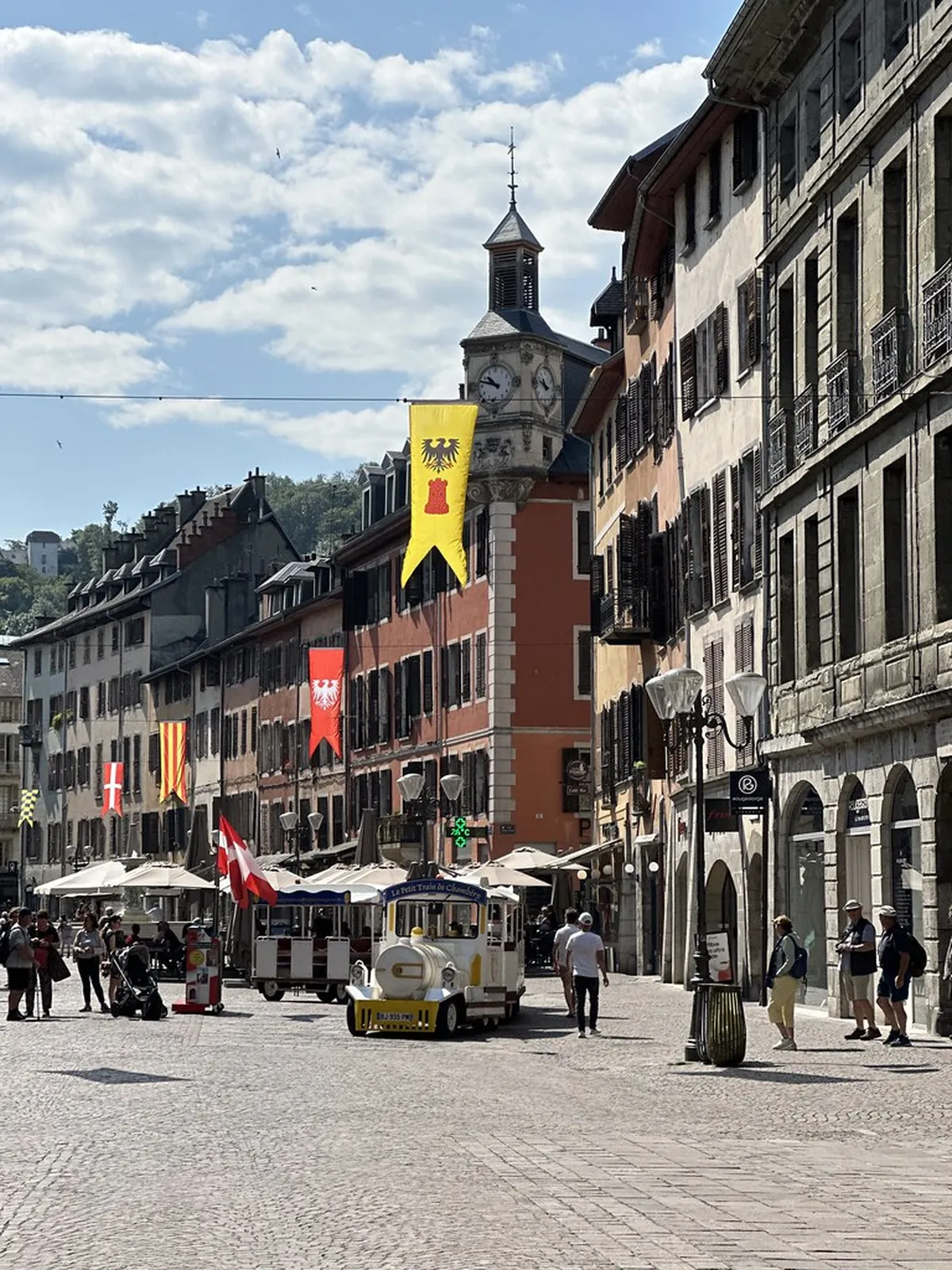
Place Saint-Léger is the social heart of the medieval district in Chambéry. This long square was once the site of a river that ran through. The river was covered over in the Middle Ages to create a market space. Today it is a pedestrian zone filled with cafes, shops, and colorful buildings.
The buildings around the square date back to the late medieval and Renaissance periods. You can see many different colors of paint on the tall stone facades today. Many of these houses belonged to the wealthy merchants and noble families of Savoy. They feature elegant balconies and large windows that look out over the busy square.
In the center of the square, you will find several beautiful stone fountains. These fountains provided fresh water to the city residents for many hundreds of years. They are decorated with sculptures that represent the local history and the natural environment. Many people meet here to start their walk through the old town district.
The square is the perfect place to enjoy a meal in the open air. Many restaurants offer traditional dishes like fondue or raclette from the nearby mountain regions. You can watch the world go by while sitting in the shadow of history. The atmosphere is especially magical in the evening when the lights come on.
During the winter months, the square hosts a traditional Christmas market for all. You can buy local crafts and taste hot spiced wine from the stalls. This tradition connects the modern city to the medieval fairs of the past centuries. It is a wonderful way to experience the local culture during your visit.
Frequently Asked Questions
What is the oldest medieval building in Chambéry city?
The Château des Ducs de Savoie contains the oldest sections of the city. Some parts of the foundation date back to the eleventh and thirteenth centuries. It remains the most significant historical site in the entire region today.
Can you enter the medieval towers in Chambéry?
Most defensive towers are closed to the public for safety and preservation. You can view their impressive exteriors from the public streets and squares easily. The castle towers are accessible through official guided tours booked at the tourism office.
Are there any medieval festivals in Chambéry in 2025?
Chambéry often hosts historical reenactments and markets during the summer months of 2025. These events celebrate the Savoyard heritage with traditional music, costumes, and food. Check the official city calendar for specific dates and locations of these festivities.
Chambéry city is a treasure for anyone who loves exploring medieval buildings and history. You can spend days wandering through the secret allées and visiting the grand castle. The city offers a perfect blend of ancient stone and modern French culture today. Plan your trip in 2025 to experience this unique historical atmosphere for yourself soon. For more details, explore our old town Chambéry architecture guide today.
Key Takeaways
- The Château des Ducs de Savoie is the top medieval site to visit.
- Explore the secret allées for a unique view of the old town layout.
- Visit the Saint-François-de-Sales Cathedral to see huge trompe-l'oeil paintings.
- Walk down Rue Basse du Château to see the oldest street in France.
- Most medieval sites are within a short walking distance in the city center.
Related reads: streetartly.com, street art and architecture in chambery.