
Street Art and Architecture in Chambéry Guide
Discover the best street art and architecture in Chambéry for 2025. See hidden murals and historic French design on your next trip. Book a tour!
On this page
Chambéry is a beautiful city in the French Alps where history meets the modern world in a stunning way. You will find that the street art and architecture in Chambéry create a very unique and colorful atmosphere. The narrow streets hide many artistic treasures that are waiting for you to find them during your visit. Medieval walls stand tall next to modern urban murals which creates a very vibrant and exciting environment today.
In 2025, Chambéry continues to grow its urban art scene for all types of travelers to enjoy and explore. You can spend hours walking through the old town to see the rich history of the Savoyard dukes. The mix of old stone and fresh paint makes every corner of this city feel alive and very special. This guide will help you find the best spots for art and design during your next mountain holiday.
Historic Architecture in the Old Town
The old town of Chambéry is a medieval treasure that every traveler should visit during their trip in 2025. Many buildings in this area date back to the 14th century and remain in great condition for you today. Narrow alleys create a mysterious and ancient feeling that makes you want to explore every single small hidden corner. Visitors often feel like they have stepped back in time while walking through these beautiful and historic French streets.
You should use a old town Chambéry architecture guide to help you navigate the complex layout of the city center. The structures feature beautiful Italian influences that come from the long history of the famous House of Savoy rulers. These colorful facades brighten even the cloudiest days and provide a perfect backdrop for your holiday photos in France. Many of the taller buildings have unique roofs that represent the classic style of this alpine region of Europe.
Walking through the Place Saint-Léger allows you to see the social heart of the historic district and its people. This pedestrian zone is lined with cafes and shops that sit inside buildings with centuries of history and stories. You can admire the wrought iron signs and the detailed carvings that decorate the windows of these ancient stone homes. It is easy to spend an entire afternoon simply looking up at the amazing craftsmanship of the local builders.
The traboules are hidden passages that connect different streets and offer a shortcut through the dense urban blocks today. These passages are a key part of the local design and show how people lived in the past years. Exploring these dark tunnels often leads to bright courtyards with beautiful staircases that are hidden from the main road. Ensure you respect the privacy of local residents while you enjoy these architectural gems during your walking tour here.
Street Art and Architecture in Chambéry
Street art and architecture in Chambéry blend together to create a very colorful and exciting urban landscape for everyone. You can find massive murals that cover entire buildings in the modern districts near the central train station today. Many local artists use these walls to tell stories about the history and the future of this growing city. Finding the best Chambéry street art locations is a great way to see the creative soul of the town.
The contrast between the sharp lines of modern murals and the soft curves of old stone is very striking. Urban artists often choose locations that highlight the decay or the rebirth of certain parts of the city center. These artworks turn plain concrete walls into vibrant galleries that everyone can enjoy for free while they are walking. Some murals are so large that you can see them from several blocks away as you explore the town.
You will notice that many of the murals in Chambéry focus on themes of nature and the surrounding mountains. Artists often use bright blues and greens to reflect the beauty of the French Alps that circle the city. This connection to the landscape makes the urban art feel like a natural part of the local environment here. Take your time to study the small details in each piece to understand the message of the artist.
The city supports many art festivals that bring new talent to the streets of Chambéry every single year now. These events allow the collection of street art to grow and change with the current trends of urban design. You might even see an artist at work if you visit during one of the popular summer festivals today. Watching a mural come to life is a fascinating experience that adds value to your travel itinerary in 2025.
The Iconic Elephant Fountain Details
The Elephant Fountain is a masterpiece of design that serves as a major landmark for all tourists in Chambéry. This structure was built in 1838 to honor General de Boigne for his many contributions to the local city. Four large bronze elephants face different directions and provide a striking visual for anyone passing by the historic site. Learning about the Chambéry elephant fountain architecture details helps you appreciate the skill of the 19th-century builders.
Local people often call this famous monument the four without butts because only the front half of each elephant shows. The fountain is made of heavy limestone and stands at the intersection of several busy streets in the center. It is a popular meeting point for both locals and travelers who are starting their day of mountain exploration. The height of the central column makes it easy to spot from a distance while you walk the streets.
The fountain also features detailed carvings that tell the story of the General's adventures in far away lands like India. You can see small bronze items that represent the military success and the generosity of this important local figure. The water flows constantly and provides a soothing sound in the middle of the busy urban traffic of today. Many people stop here to take a quick break and enjoy the beauty of this unique architectural work.
In 2025, the fountain remains a symbol of the pride that the people of Chambéry feel for their history. The city works hard to maintain the bronze and stone to ensure it looks great for future generations here. It is especially beautiful at night when the lights illuminate the elephants and the tall stone column above them. Make sure to include this site on your list of must-see locations for your next trip to France.
Hidden Courtyards and Secret Art Spots
Hidden courtyards are a special feature of the old city and offer a quiet escape from the busy streets. You can find these secret spaces by looking for the small entrances known as traboules in the city center. These passages often lead to stunning Renaissance staircases and ornate balconies that will surely take your breath away today. Make sure to discover hidden courtyards in Chambéry to see the private side of French history.
These courtyards often contain small details like stone fountains or ancient wells that have been used for many centuries. The quiet atmosphere inside these spaces is a sharp contrast to the lively energy of the main shopping areas. You can see how the wealthy families of the past built their homes to include private outdoor areas for relaxation. Many of these spots are still used by residents who maintain small gardens or displays of colorful flowers.
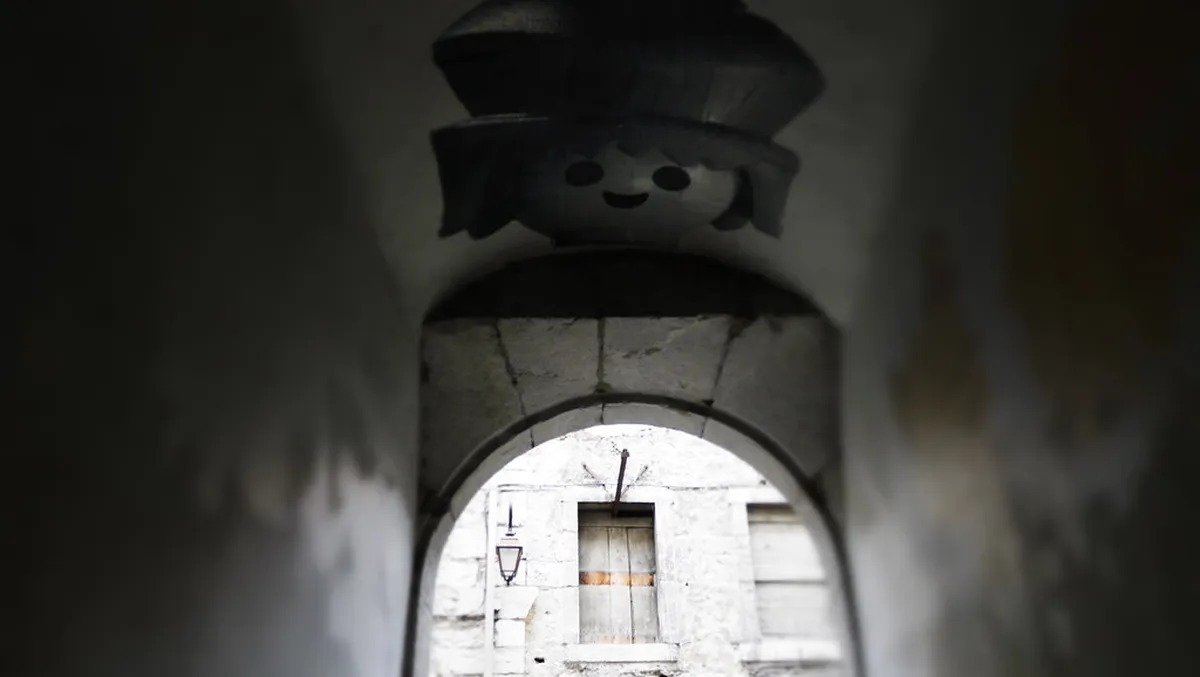
Some of the best street art is also hidden inside these private or semi-private spaces across the whole city. Smaller stencils and wheat-paste art can be found on the back of doors or on old brick walls here. These pieces are often more personal and experimental than the large murals found on the main city streets today. Finding them feels like discovering a secret message left just for the most curious travelers to find and enjoy.
You should always walk slowly and look through open gates whenever you have the chance during your daily tour. Sometimes a simple doorway leads to a grand courtyard with towering arches and beautiful wooden doors from the past. These architectural surprises are what make exploring the center of Chambéry so rewarding for every type of curious visitor. Each discovery adds another layer to your understanding of this complex and very beautiful alpine city in France.
Diverse Architectural Styles of the City
The city features a mix of styles that range from medieval stone to elegant Baroque and classic Art Deco. Walking through the streets allows you to see how different eras have shaped the local skyline over many years. Each building tells a story about the changing tastes and the wealth of the Savoyard dukes and their families. Studying the Chambéry architectural styles provides a deep understanding of how this mountain city grew.
The Baroque period brought many ornate churches and grand public buildings to the streets of Chambéry during the 17th century. You can see this style in the detailed facades and the use of gold leaf inside the local cathedrals. These structures were designed to impress visitors and show the power of the church and the ruling state today. The interiors are often just as impressive as the exteriors with high ceilings and beautiful painted murals above.
As the city entered the 20th century, new styles like Art Deco began to appear in the residential areas. These buildings feature geometric patterns and modern materials that were very popular during the 1920s and the 1930s. This mix of styles creates a visual timeline that you can follow as you move through different neighborhoods here. It is rare to see so many different periods of design represented so well in one small city.
The modern era has also added unique buildings that use glass and steel to create a very contemporary feeling. These structures often house government offices or cultural centers that support the local art and music scenes for everyone. This blend of the old and the new is a key part of the identity of Chambéry today. You will enjoy seeing how the architects have tried to respect the past while building for the future.
The Historic Château de Chambéry
The Château de Chambéry is a massive fortress that dominates the western side of the historic city center today. This site served as the primary home of the Dukes of Savoy for many centuries starting in the 1200s. You can explore the impressive Sainte-Chapelle and the large tower that offers views of the surrounding green mountains. Visiting the Château de Chambéry historical architecture is a mandatory part of any local sightseeing tour.
The castle has been rebuilt many times over the years to include new wings and more modern defensive features. This means you can see a variety of building techniques and styles within the same large complex of walls. The thick stone walls remind us of a time when the city needed to protect itself from many invaders. Today, the castle serves as the administrative center for the region and a major point of interest for tourists.
One of the most famous parts of the castle is the Grand Carillon which features seventy different bronze bells. This musical instrument is one of the largest in the world and produces a beautiful sound across the city. You can hear the bells ring during special events and festivals that take place throughout the year in 2025. The courtyard of the castle is also a great place to sit and admire the scale of the buildings.
Touring the inside of the Sainte-Chapelle allows you to see stunning stained glass windows and very intricate wood carvings. The light that filters through the glass creates a magical atmosphere that is perfect for quiet reflection and study. Many of the original features have been carefully restored to show the true beauty of the 15th-century design. This site is a true highlight of any architectural tour through the heart of this French alpine city.
Frequently Asked Questions
Where can I find the best street art murals in Chambéry?
You can find the best murals in the modern districts near the train station and in hidden alleys. Check a Chambéry art architecture map for specific locations. Many large works are located on the walls of public buildings and local schools today.
What are the best photography spots in the city?
The Elephant Fountain and the Château de Chambéry are the most popular spots for taking beautiful holiday photos. You can find many Chambéry photography spots that capture the contrast between old stone and new street art. Try visiting the old town during the golden hour for the best natural light on the facades.
How long does it take to walk through the historic center?
You can see the main highlights of the historic center in about two or three hours on foot. This gives you enough time to explore the traboules and admire the many statues and historic fountains. If you want to see all the street art, plan for a full day of walking today.
Is the street art in Chambéry legal and supported by the city?
Yes, the city of Chambéry supports many urban art projects and festivals that bring artists to the local area. Most of the large murals you see are commissioned works that have been approved by the local government. This support helps keep the city looking vibrant and modern while respecting its long and rich history.
Chambéry is a city that offers a perfect mix of ancient history and modern creative energy for every traveler. You will love exploring the street art and architecture in Chambéry as you walk through its many historic streets. The blend of medieval castles and colorful urban murals makes this a unique destination in the French Alps. Plan your visit for 2025 to see these amazing sights for yourself and enjoy the local culture.
Key Takeaways
- Visit the Elephant Fountain to see a unique 19th-century landmark in the city center.
- Explore the hidden traboules in the old town to find secret courtyards and ancient stairs.
- Check the areas near the train station to see the largest and most vibrant street art murals.